Research & Technology
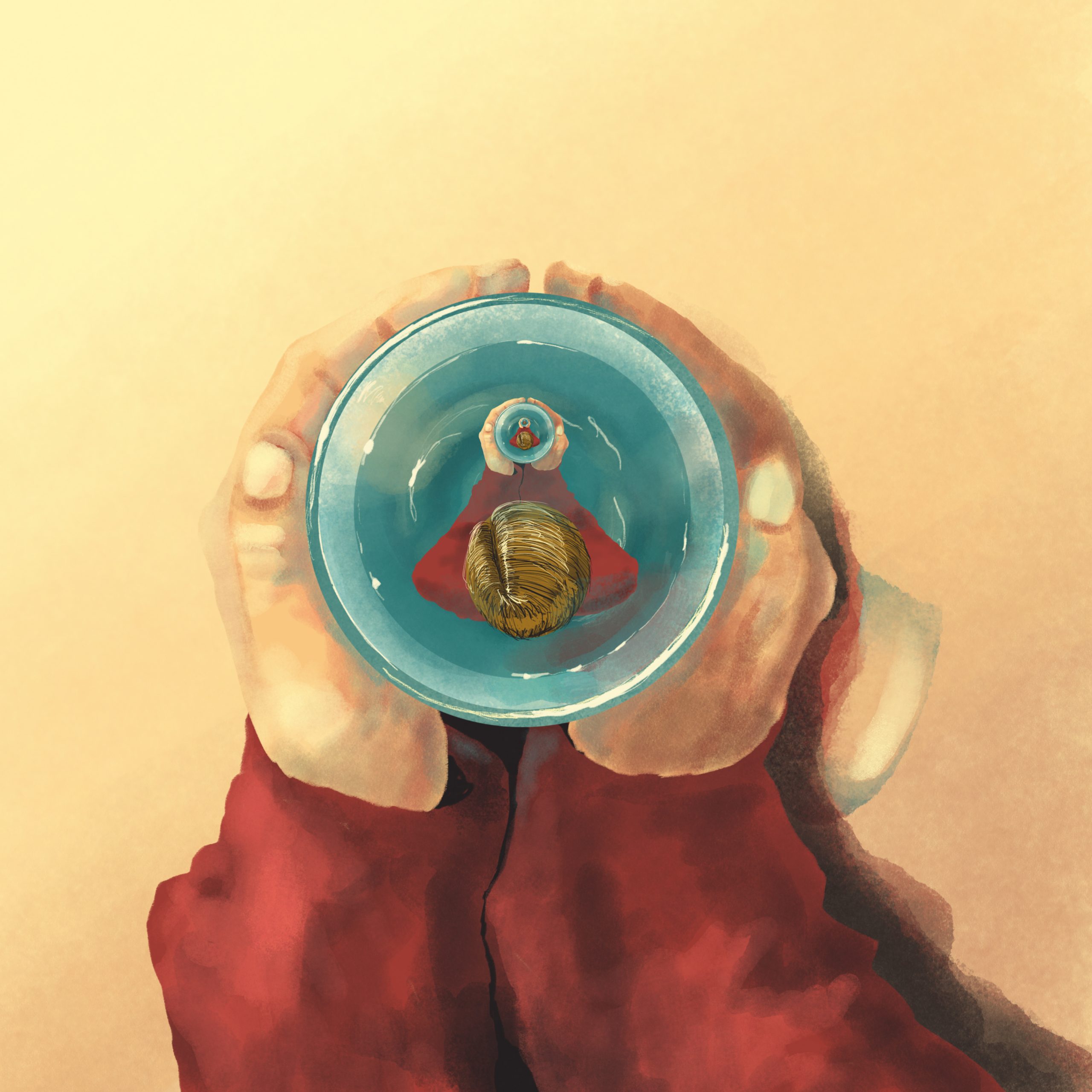
Toronto professor talks unconscious biases in academia
By
Last Tuesday, the U of M faculty of science hosted a seminar on “Recognizing and Mitigating Unconscious Bias in Academia” at its Fort Garry campus. The session featured guest speaker Maydianne Andrade, a biology...
What it takes to research an Indigenous language
By
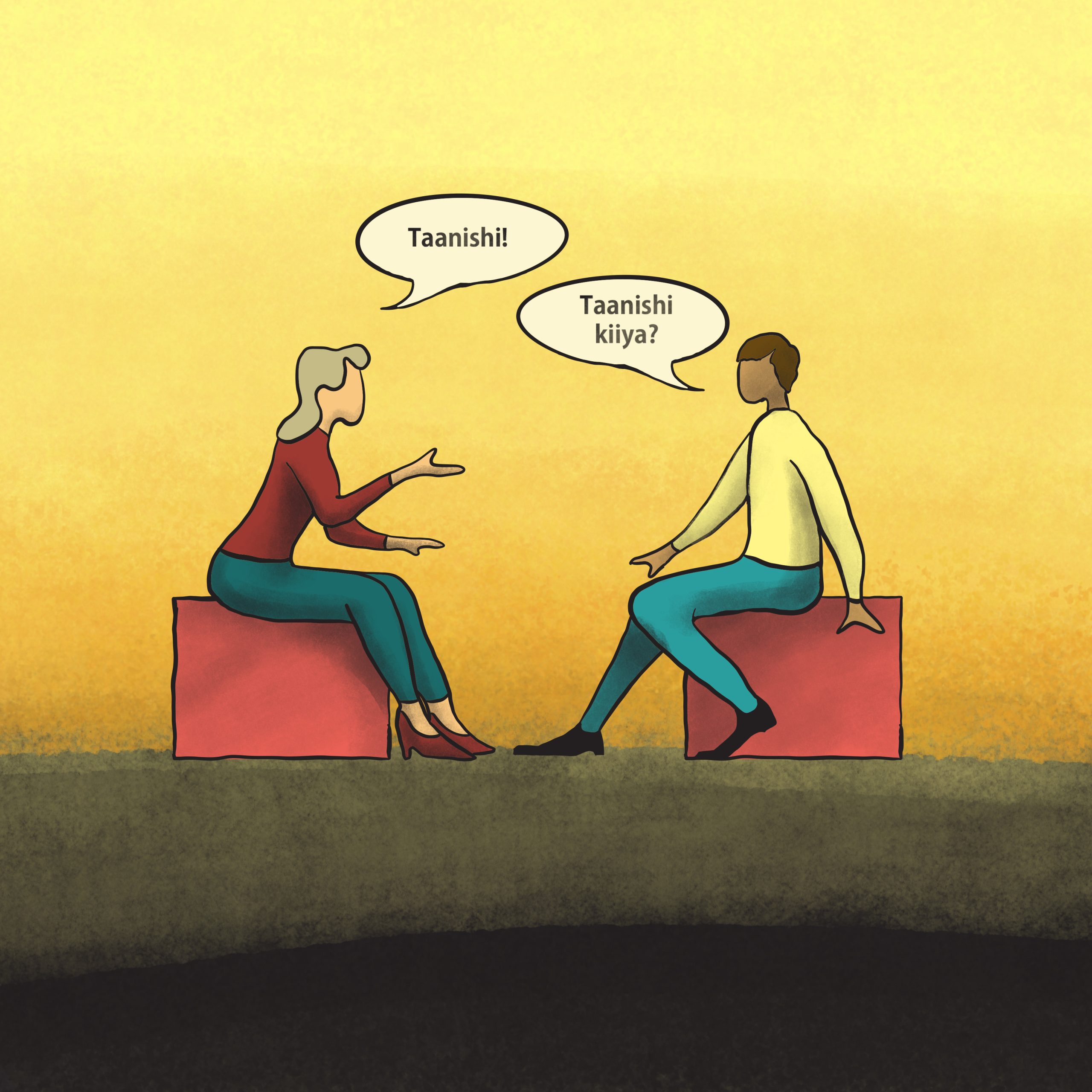
The number of speakers of Indigenous languages in Canada has fallen steadily over time. However, increased attention to these languages has changed that.
Since 2006, the total number of Indigenous people in Canada who can...
Collaboration fosters prevention, treatment of diabetes
By
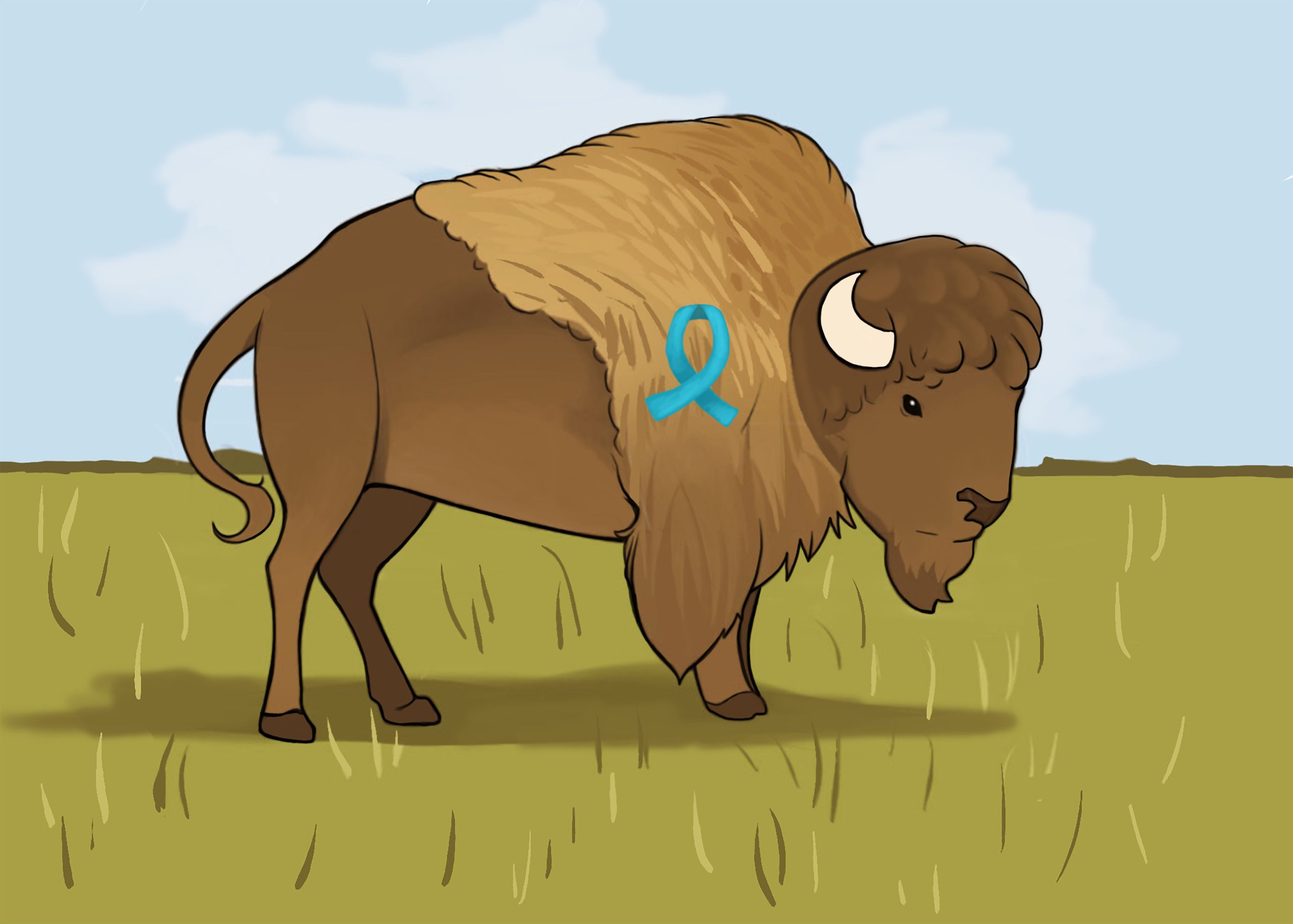
Our body breaks down the food we consume into glucose and transforms it into cellular energy. Insulin — a hormone produced in the pancreas — functions in regulating our blood glucose.
Diabetes is a metabolic...
How to ruin a cyber criminal’s day
By
We exist in a digital world, with technological advancements completely transforming the way we live.
From online banking and GPS systems to social media, technology is heavily incorporated into our everyday lives.
As society becomes more...

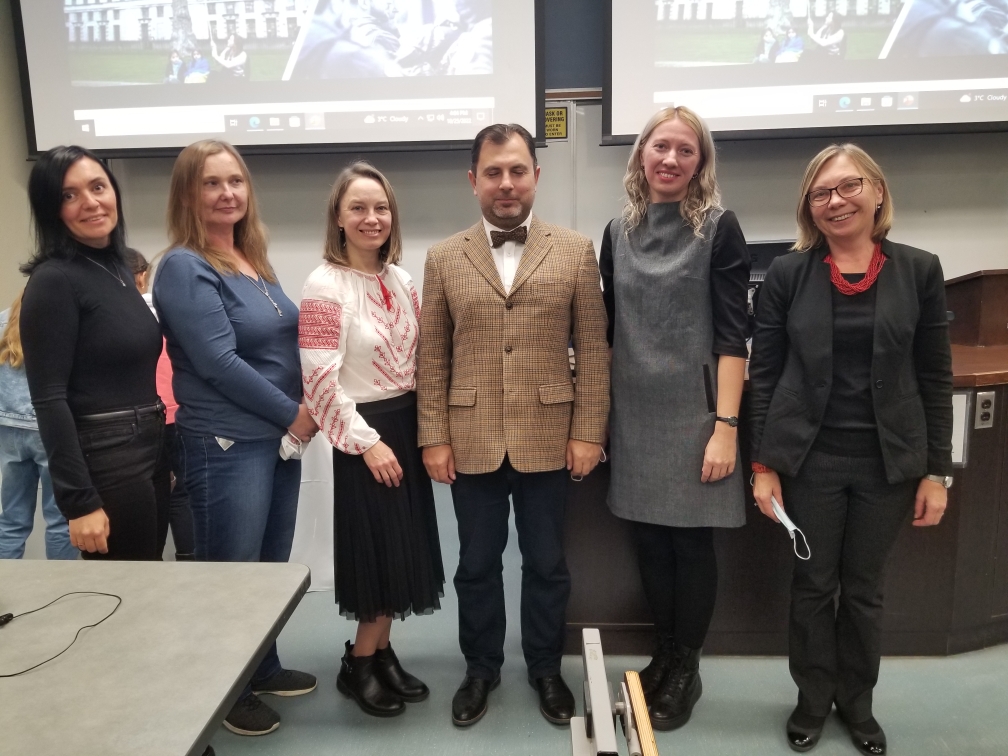
The impact of war on Ukrainian researchers
By
The Ukrainian community is one of the largest European diasporas in Manitoba — arriving in multiple waves of immigration beginning in the late-nineteenth century.
Today, the diaspora maintains its connection with Ukraine. For example, the...
How plasma is changing the way we treat infections
By
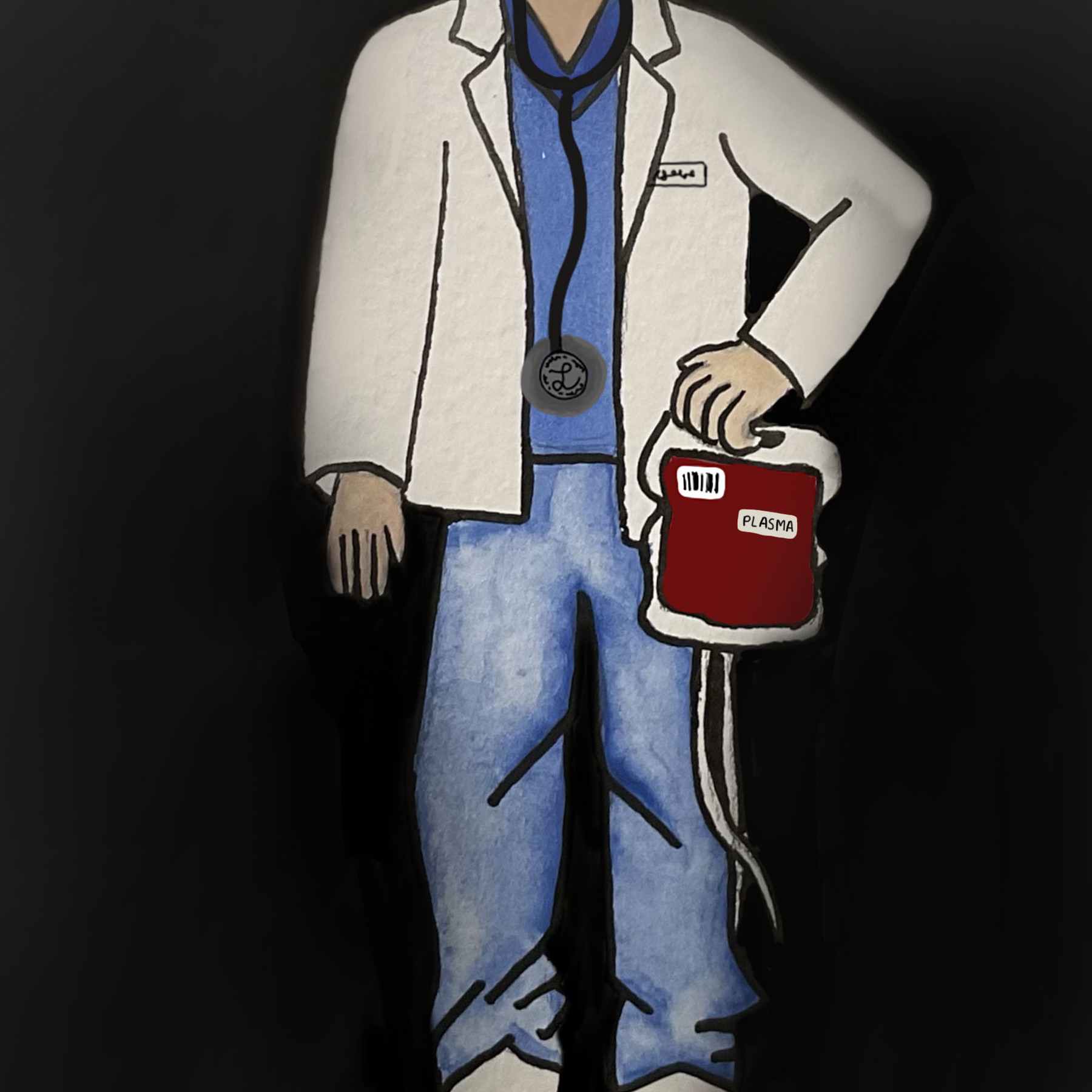
The human immune system exists to protect our bodies from disease, but sometimes a person’s immune response can cause just as much harm as the disease itself.
For example, the body cures infections by producing...
What is stopping human cloning?
By
The theme of “cloning” is common within the science-fiction and horror film genres — often tagged with apocalyptic views in mainstream media and pop culture. Filmmakers like Jordan Peele have familiarized their audiences with...