Research & Technology
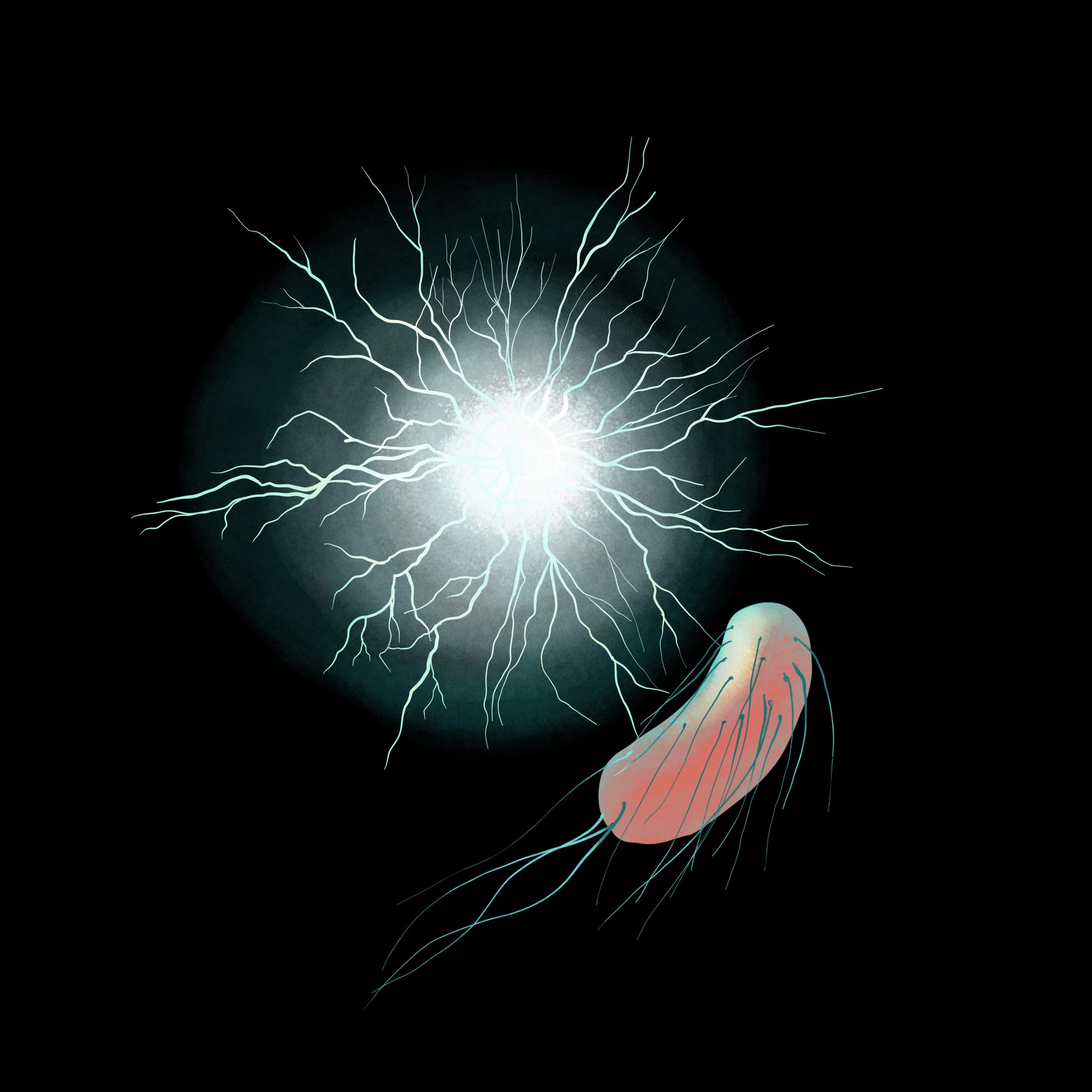
The medical applications of electrochemistry
By
Electrochemistry is a branch of chemistry that focuses on the chemical processes that make electrons move.
Electrons are negatively charged particles that exist outside of an atom’s nucleus. They create electricity when they move from...
U of M study investigates health benefits of fish oil
By
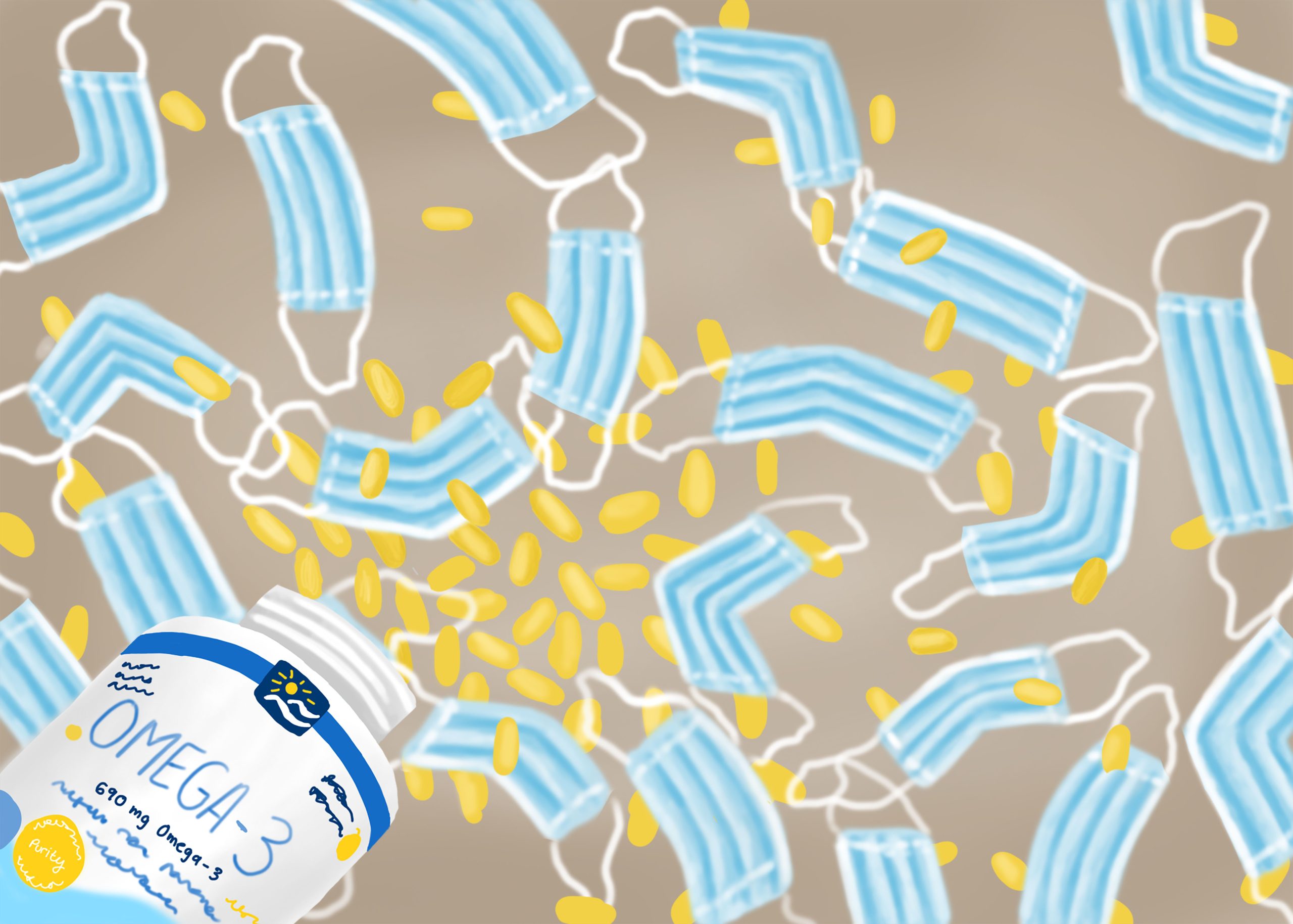
Arguably, preliminary evidence that fish oil fatty acids were effective in coronary heart disease prevention came from Danish physicians Jörn Dyerberg and Hans Olaf Bang. The two physicians discovered that Greenlandic Inuit had lower...
Science entertainment creates lifelong scientific interests
By
Humans have been enjoying science entertainment since ancient times.
An early form of this type of entertainment was the science fiction story. Arguably, the first science fiction tale was written in Greek by Lucian of...

U of M professor studies dietary behavior across MB
By
What we consume directly influences our overall health and well-being.
A healthy diet is vital in supplying our body with fuel for effective work, required nutrients for growth and development and in reducing the risk...

To space and beyond
By
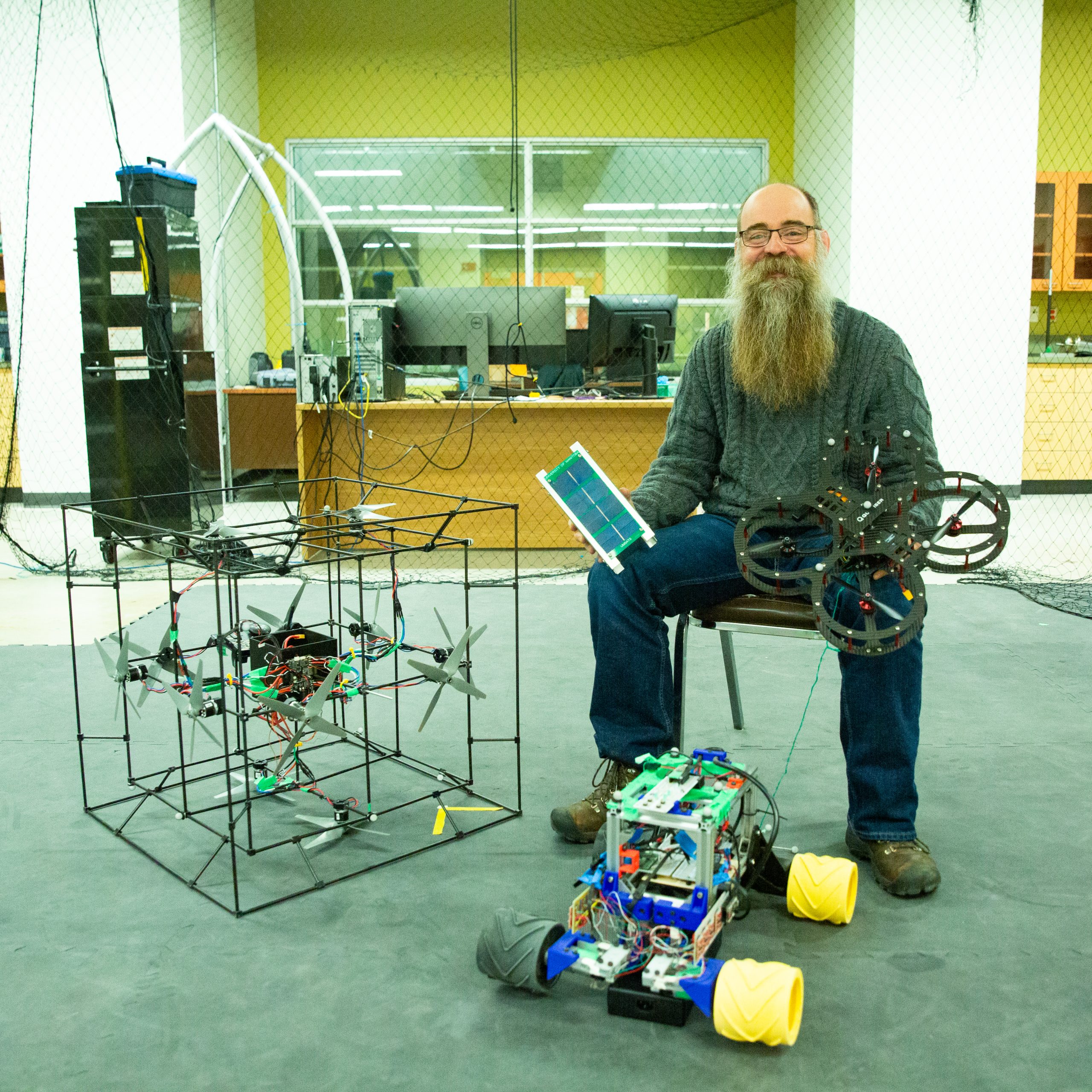
From childhood, Philip Ferguson aspired to be an astronaut.
“I loved things that fly,” he reminisced. “I loved things that go into space, and so I was fascinated at the technology that’s required to put...
U of M’s new vice-president research and international
By
The word “polymathy” was first used in the title of a work in 1603 by philosopher Joannes Wower. It refers to encyclopedic knowledge that encompasses many fields.
A person who has such knowledge is known...
The scientific significance of traditional knowledge
By
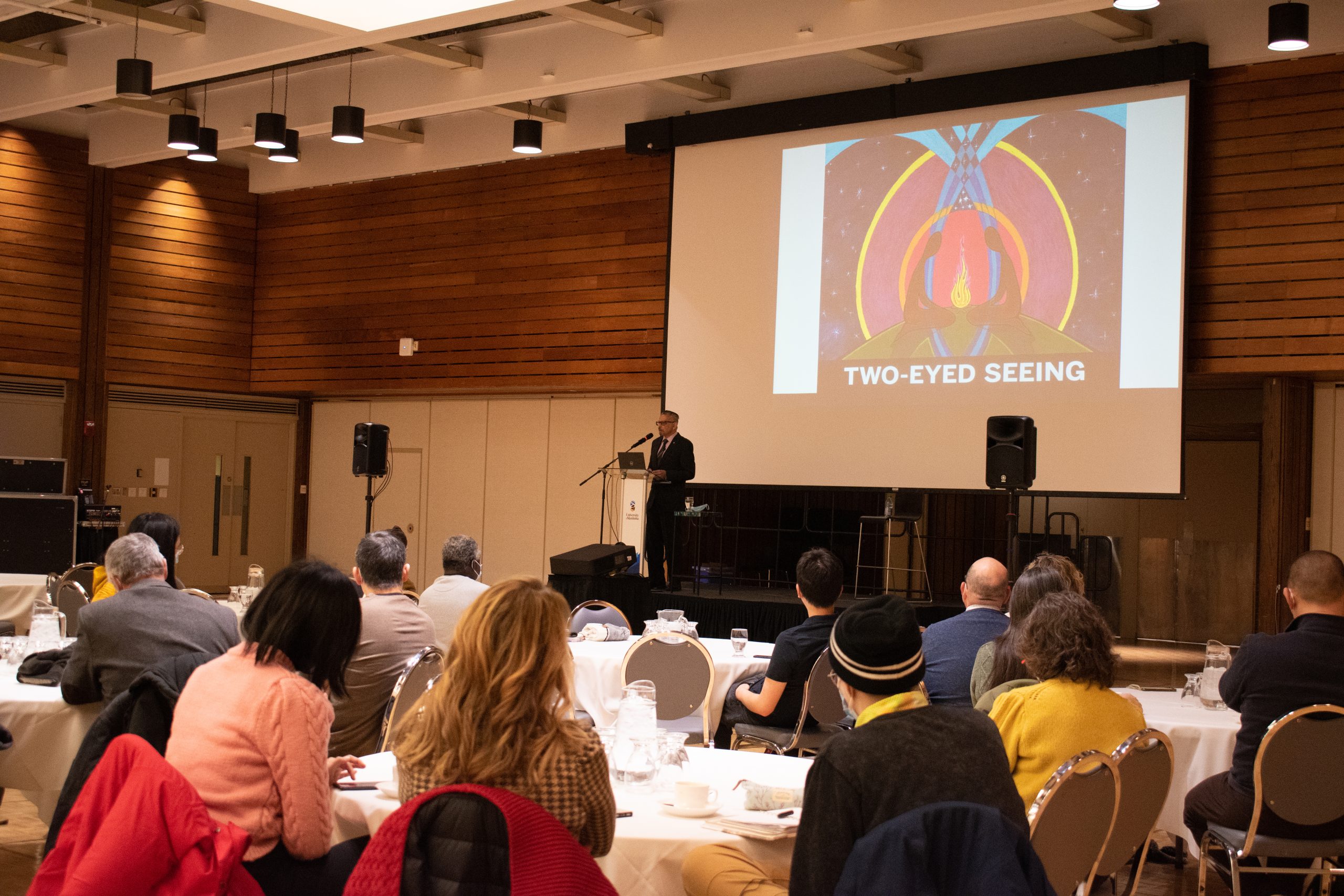
Traditional and non-western ways of knowing are often othered in the sciences. Oftentimes, people refer to western medicine as “conventional” and traditional medicine as “alternative.”
For example, Indigenous communities in Canada used controlled burning to...