Why so blue?
By
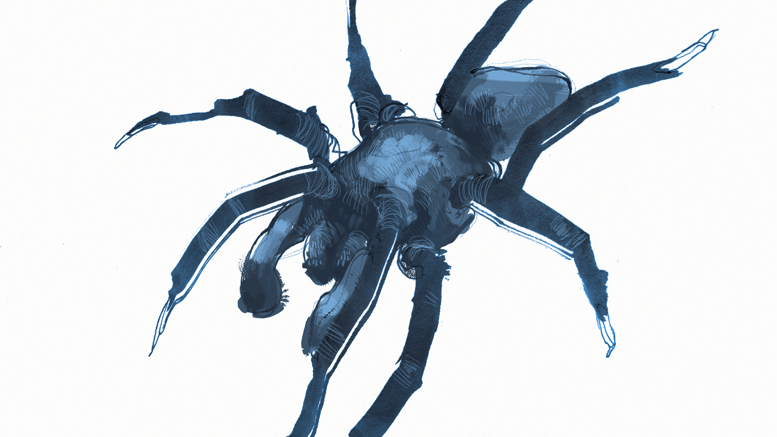
Certain species of tarantulas display brilliant shades of blue on their bodies, although the colour is not produced by pigmentation.
Researchers from Ohio’s University of Akron and the Scripps Institution of Oceanography at the University...
The second impact
By
The ubiquitous Cavendish banana is on its last leg due to the fungal pathogen Fusarium oxysporum. The fungus causes a condition called Panama disease and threatens to wipe out commercial banana plantations across the...
The devil’s tumour
By
Looney Tunes fans are probably familiar with Tasmanian devils.
The rare and particularly feisty marsupial found exclusively on Tasmania, a small island-state located just south of the mainland of Australia, is on the verge of...
Genetic modification is now
By
Early in 2015, the Manitoban’s science and technology editor Chantelle Dubois wrote a piece on the future of creating designer babies – children born with desirable traits selected by their parents. This possibility is...
Worm cancer
By
In 2013, a Colombian man died of cancer – what makes this particular case unusual was that the cancer wasn’t his, but that of a parasitic tape worm.
The man initially presented symptoms of fatigue,...

Heavy metals suck
By
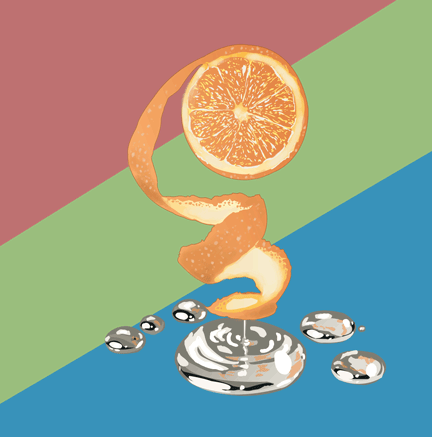
Researchers from the Flinders University of South Australia have developed a simple and cheap substance that may make cleaning up mercury pollution a whole lot easier.
The compound, sulphur-limonene polysulphide, is created by reacting sulphur...
The end goal of medicine
By
Oct. 28, 2205
This morning, the World Health Organization (WHO) announced a landmark in the field of medicine: humanity has beaten death.
Humans have fought against death for some time. Different societies practiced different forms of...

Articles By: