Research & Technology
The anatomy responsible for speech
By
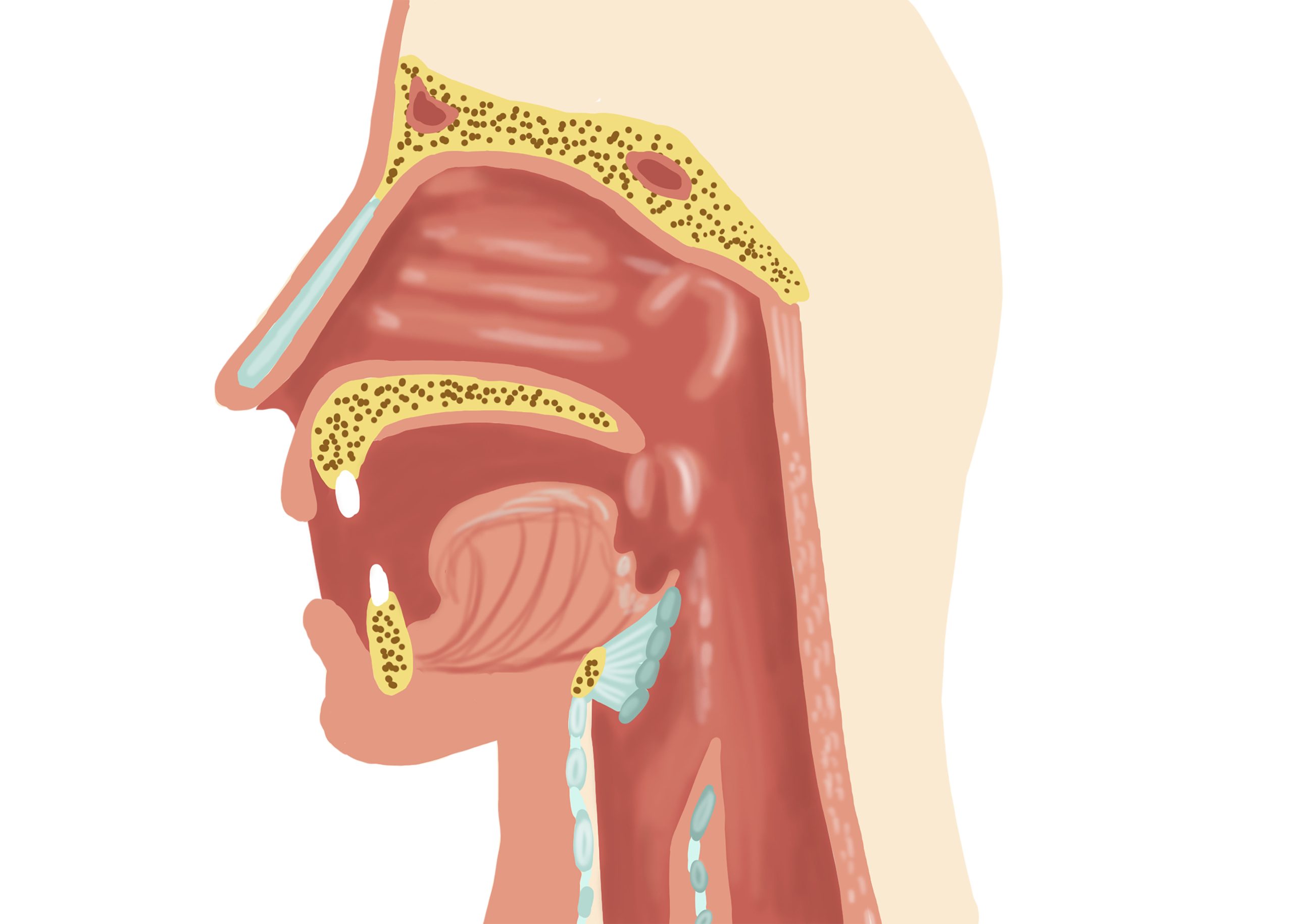
There are many organs that help produce speech, such as the tongue, lips, teeth and other structures within the mouth like the palate.
Phonetics — a branch of linguistics — studies the way speech sounds...
When the heart really breaks
By
The term “broken heart” has been used to refer to the intense sadness that follows rejection and loss for hundreds of years.
In a more literal sense, “broken heart syndrome” is a heart condition that...

Assistant professor uses biomaterials in construction
By
Nature is resilient.
The natural world has the ability to self-renew, self-repair and maintain function despite disturbances.
Biomimetic designs draw abstract lessons from nature and use them as a source of inspiration in various systems.
This is...

U of M profs among world’s most cited researchers
By
In 2021, six U of M scientists were on Clarivate’s Highly Cited Researchers list. They were all from the Rady faculty of health sciences.
Clarivate’s Highly Cited Researchers list contains the names of scientists whose...
Using genes to individualize cancer treatment
By
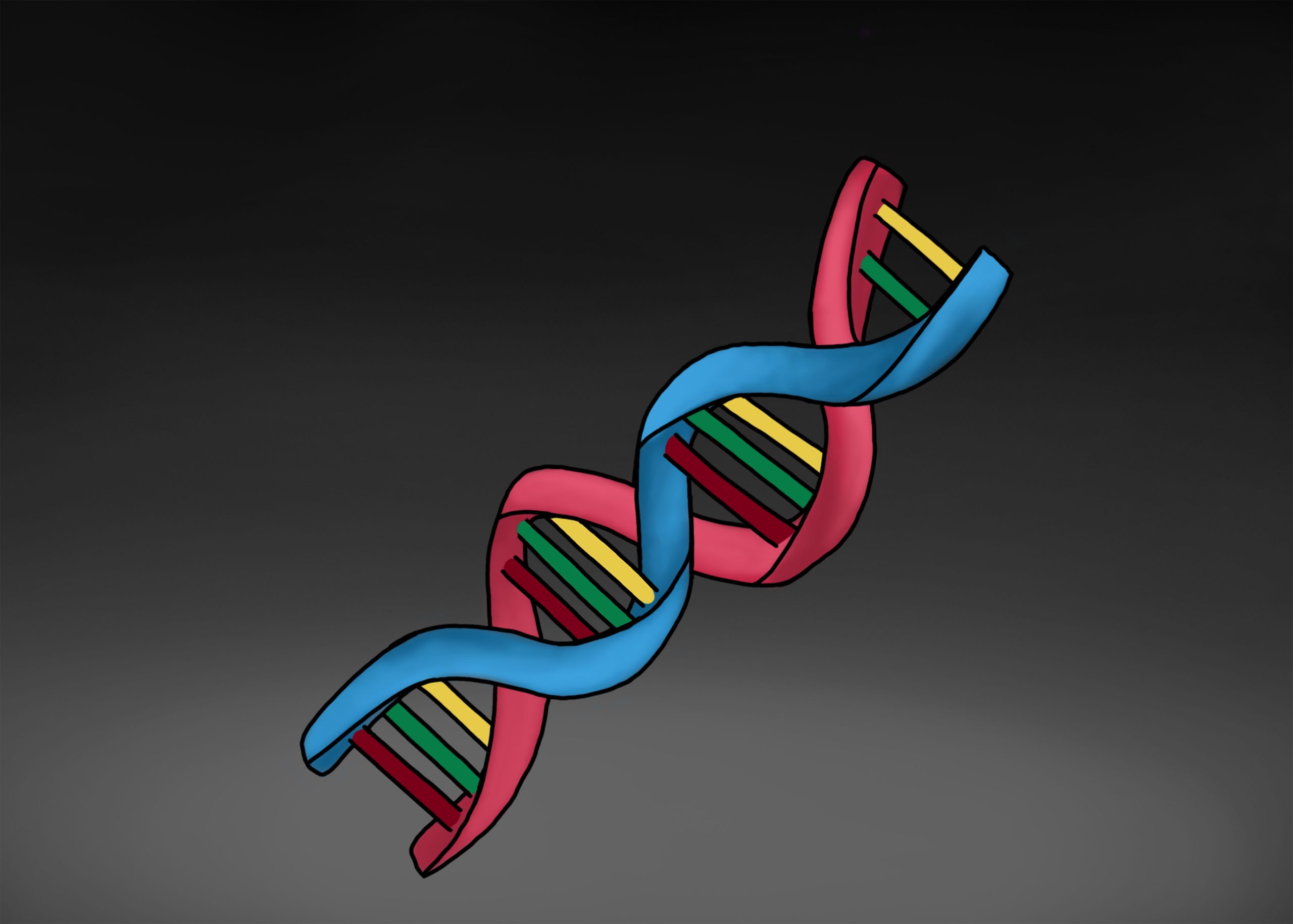
Of all eight billion people on the planet, no two individuals share the exact same genetic makeup.
These genetic variations account for different responses and treatment outcomes in different people.
Fields of study such as precision...
Researching English proficiency exams in nursing
By
Canada has seen rising numbers of internationally educated nurses since the 1990s. Many of these nurses came to Canada from the Philippines.
Today, language tests in nursing may delay certification for months or years.
Kim Mitchell,...

The medical applications of electrochemistry
By
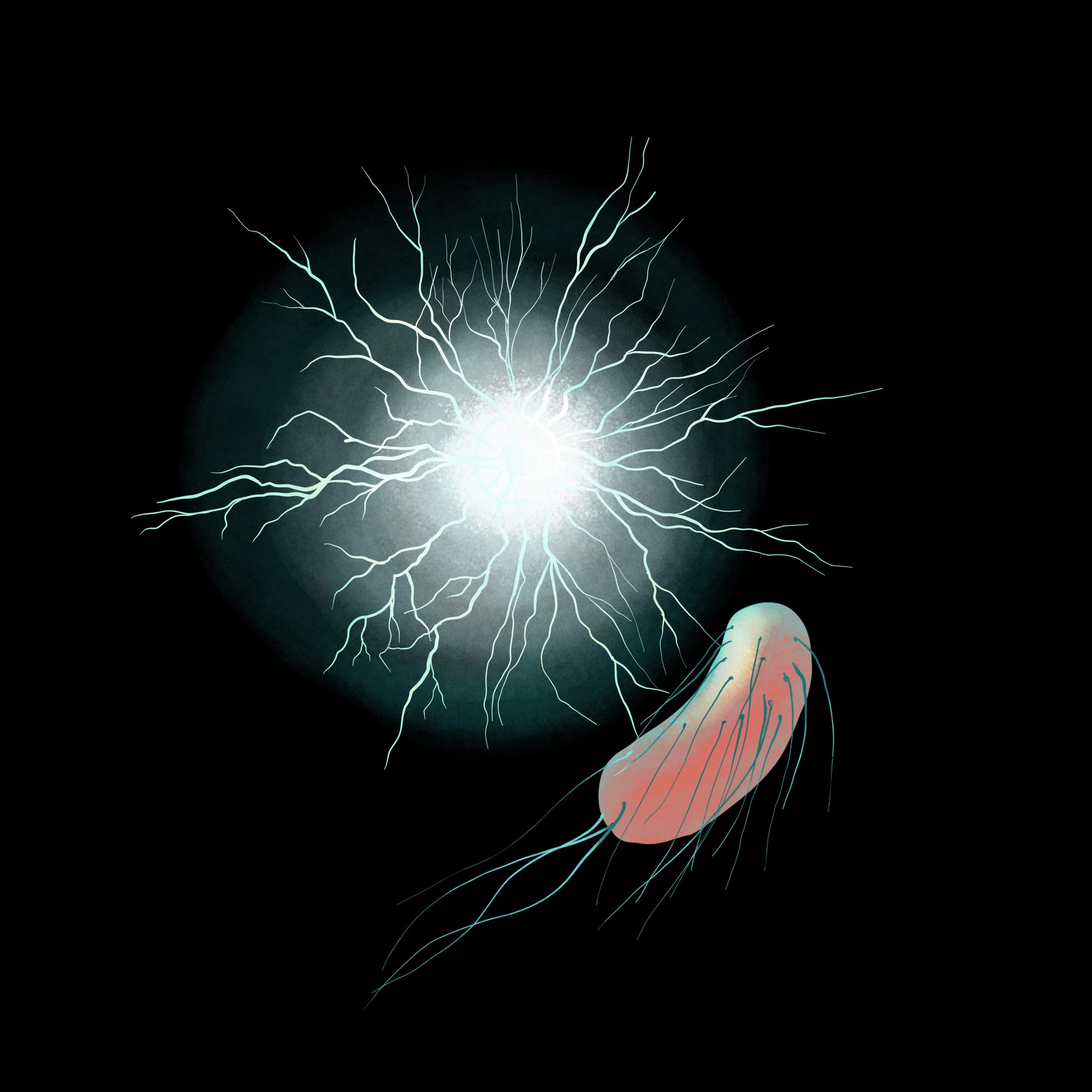
Electrochemistry is a branch of chemistry that focuses on the chemical processes that make electrons move.
Electrons are negatively charged particles that exist outside of an atom’s nucleus. They create electricity when they move from...