Research & Technology
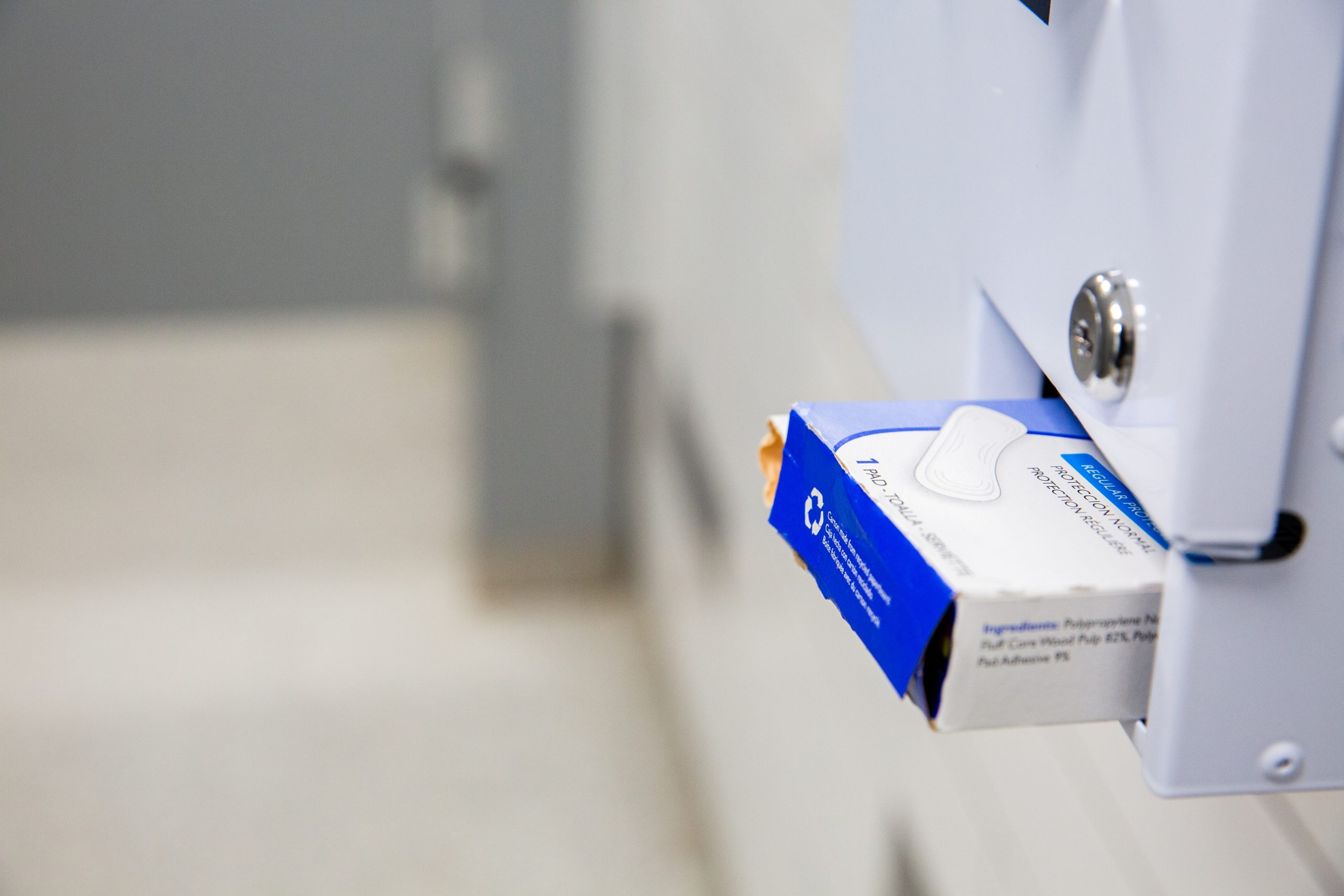
Project to examine period poverty across U of M campuses
By
Periods are a fact of life.
They are a basic human biological function for nearly half the world’s population.
However, many individuals face challenges in accessing basic necessities to manage menstruation due to financial or other...
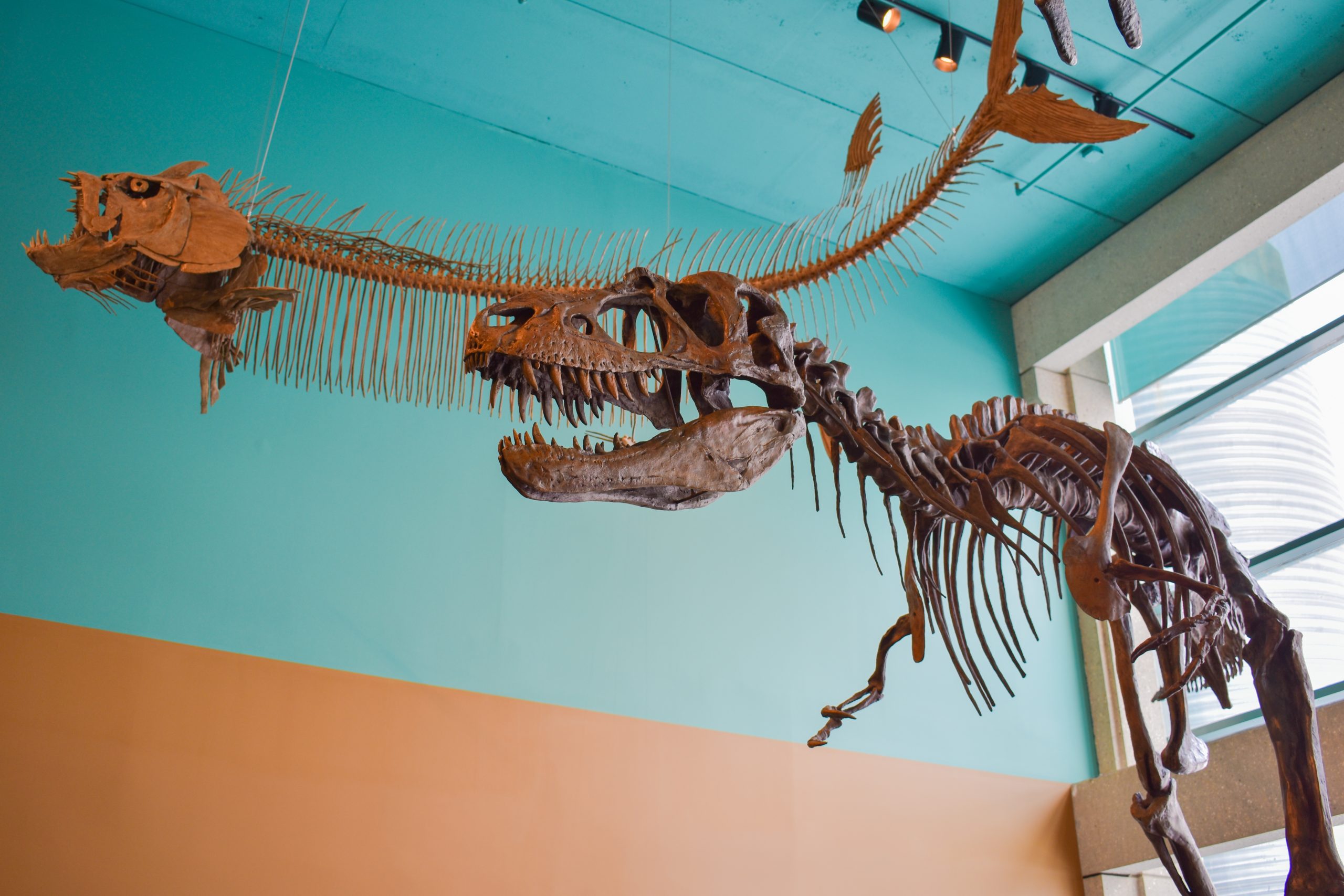
New research finds T. rex had scaly lips
By
About 65 million years after their extinction, dinosaurs remain some of the most famous prehistoric animals, and are often depicted in popular culture.
In the 1993 film Jurassic Park, the iconic Tyrannosaurus rex was portrayed...
Verb-first languages fuel debate about language variation
By
Across human languages, there are six possible ways for the subject, object and verb of a sentence to be ordered.
The most common word order is subject-first, which accounts for the majority of known languages.
It...

What past epidemics tell us about COVID-19
By
On March 11, 2020, the World Health Organization declared COVID-19 a pandemic.
With over 761 million reported cases and a series of nation-wide lockdowns in the past three years, the trajectory of the COVID-19 pandemic...

The promising future of electronic sensors
By
Electrical engineering is a field that can be applied in a variety of areas, such as sustainable technology and health sciences.
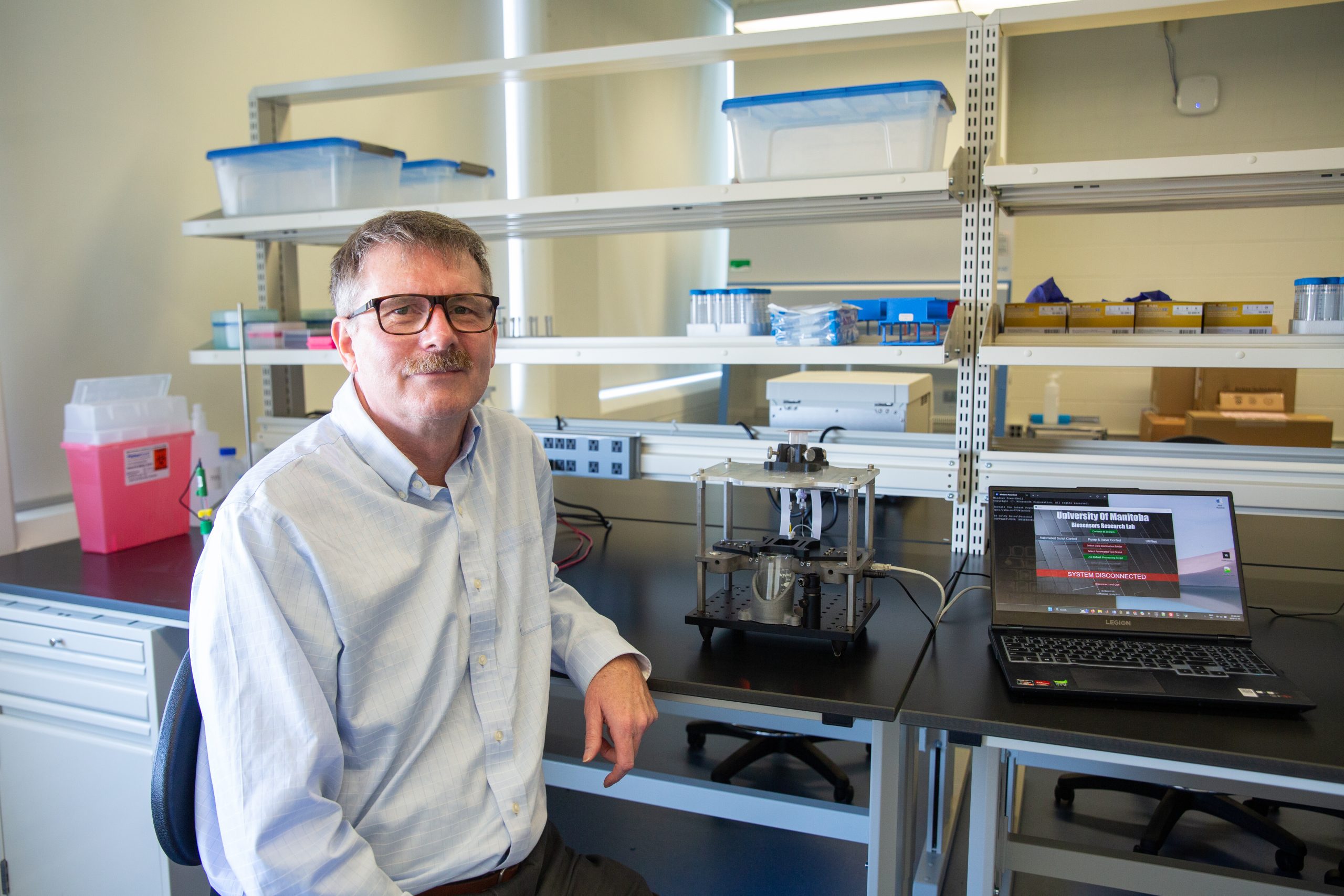
U of M professor of electrical and computer engineering Douglas Thomson researches the development...
A glimpse of the U of M skies
By
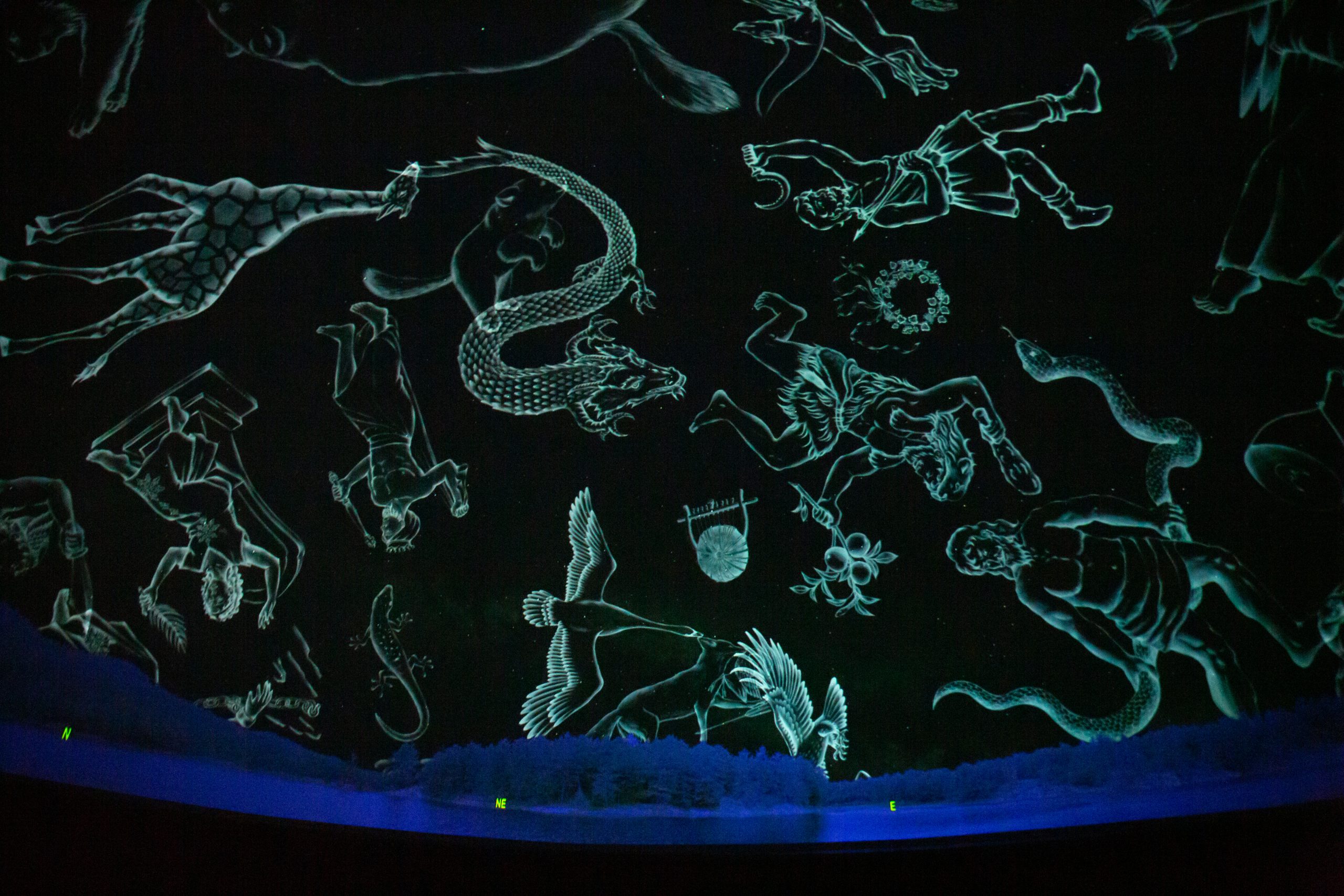
On the third floor of University College, in room 394, is the Lockhart Planetarium.
This facility at the U of M Fort Garry campus serves as an immersive teaching and public outreach space for the...
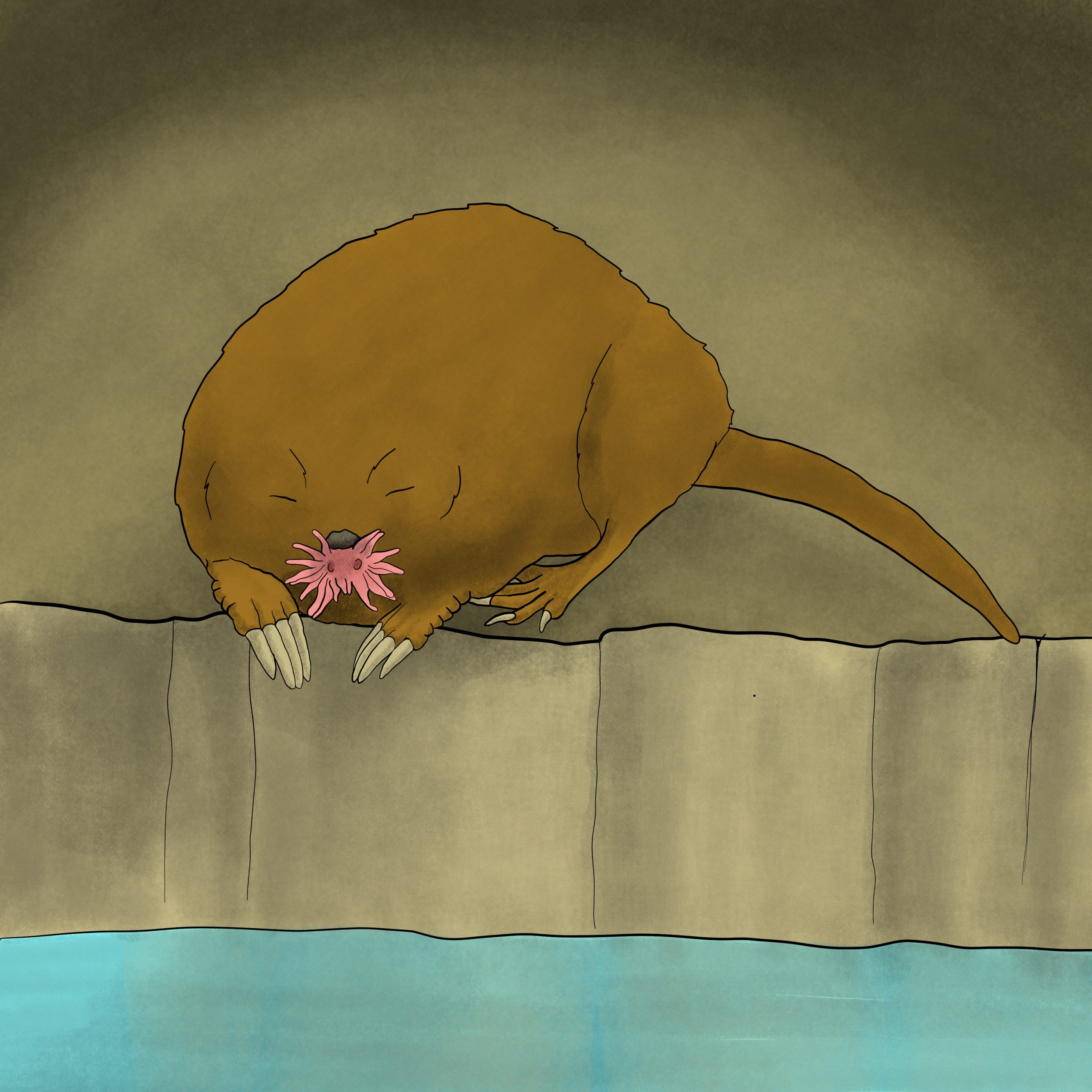
What moles and sick humans have in common
By
Hemoglobin and myoglobin are two respiratory pigments — molecules that bind to oxygen, a respiratory gas — found in the human body.
Hemoglobin, which exists in our blood, uptakes oxygen from the lungs and delivers...