Research & Technology
How human health has evolved through time
By
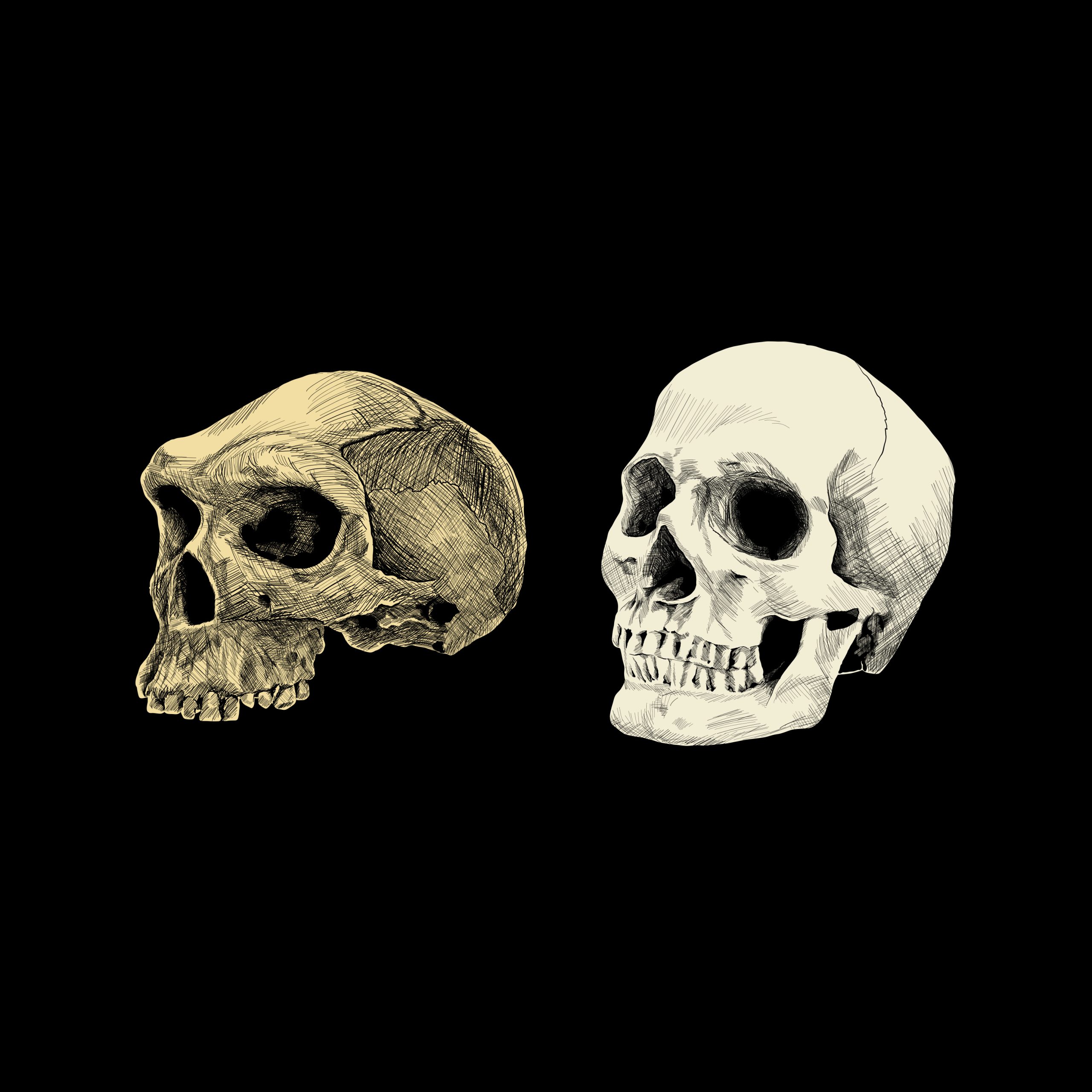
With a focus on skeletal remains, U of M associate professor in anthropology Julia Gamble offers a unique perspective on how early life experiences can shape later life outcomes.
Gamble’s research centers around bioarchaeology, a...
Working to end intimate partner violence
By
More than one in four women experience intimate partner violence before the age of 50. A form of gender-based violence, intimate partner violence (IPV) refers to harm or abuse caused by a current or...
From rust to innovation
By
U of M doctoral student in the department of physics and astronomy Rachel Nickel is exploring the use of nanoscale particles in the application of magnets.
Nickel started off working in biomedical applications after completing...

The science behind fright
By
Fear is one of the most primal emotions and has fascinated researchers and curious minds alike for generations. But what goes on in our brains when we experience fear? And why do we willingly...

Advocating for the disability community
By
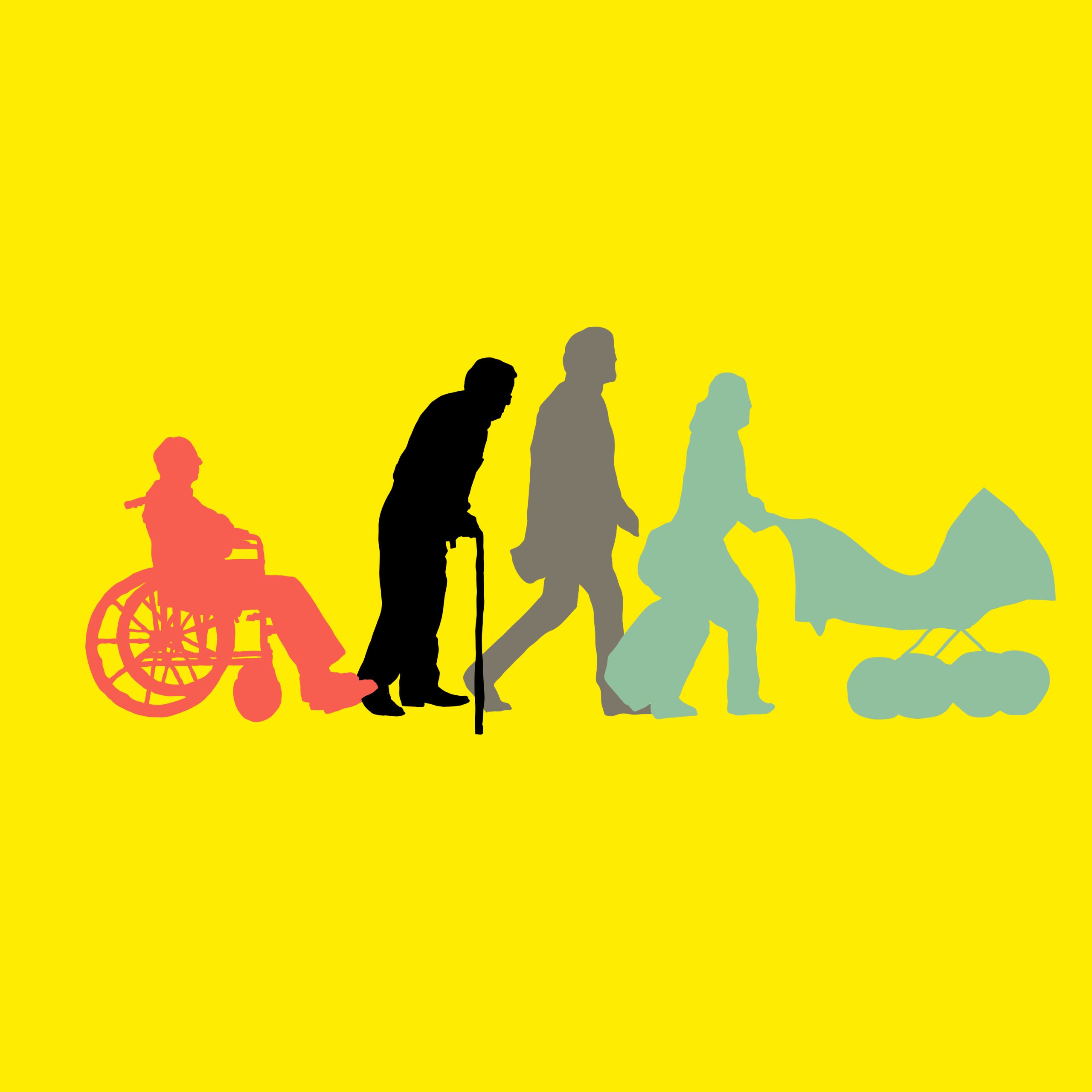
People with disabilities make up 22 per cent of the Canadian population aged 15 and older. Despite being a global community of an estimated 1.3 billion people, they face numerous social, institutional and physical...
Leading the way to better breast cancer therapies
By
One in eight cisgender Canadian women will develop breast cancer during their lifetime, and one in 34 will die from it. Not only is breast cancer the most common cancer among cis Canadian women,...

Understanding the mind’s internal clock
By
Time perception is a critical aspect of human and animal cognition, influencing decision-making, memory, communication and motor control.
U of M associate professor in the department of biological sciences Fuat Balci delves deep into the...