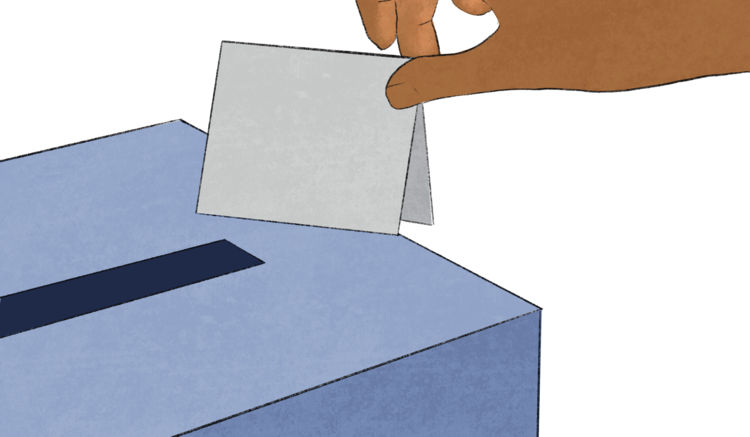
It is officially election time! Announcement boards around campus have been filled with posters and campaigning has reached full swing for another UMSU general election.
Outside of offering a well-rounded academic education and access to student clubs and societies, the university allows students to become engaged in the diplomatic process through student elections. Whether as candidates or as voters, we get the chance to actively take part in our university’s democracy. For 2026, there are 13 UMSU positions available.
On its face, voting may seem like just something extra to do on March 5 and 6 — log in to some website and cast a vote, or don’t. But at its core, it gives students a direct voice in decisions that affect tuition, campus life, food security and student clubs.
Representatives are meant to advocate for student needs, negotiate with administration and help shape initiatives that can improve mental health support, accessibility and sustainability efforts, as well as equity on campus. When students choose to participate, they are not just filling positions — they are influencing real outcomes that impact thousands of people.
For voters, participating in student elections builds civic awareness and responsibility. We, as students, take the time to engage with campaign material and be informed about campus issues. This encourages critical thinking because, as voters, we must compare ideas, evaluate feasibility and decide which candidate aligns most closely to our values. Voting also reinforces the idea that individual voices matter. Casting even a single ballot is active participation in a larger democratic process. It shifts students from being passive observers of university decisions to being active contributors in shaping them.
More broadly, I feel that student elections reflect a larger trend of increasing youth engagement in politics across Canada. We are organizing, advocating about social issues and using our voices to promote change. Through TikTok and other forms of social media, we are seeing young people demonstrate that they can influence national conversations and take up space in a sphere that has traditionally excluded youth under the premise of being “too young” or “too immature” to make decisions.
I do not think this shift in youth engagement is coincidental. Many young people today have grown up in a world shaped by economic uncertainty, climate change, social justice movements and rapid technological transformations. As a result, politics does not feel distant or abstract anymore. It feels personal. Many young people are aware of the consequences of not getting involved.
We also live in a society shaped by other people’s choices and other people’s votes, so student elections serve as an accessible entry point for democratic participation that in some way shapes society. More so, voting in larger federal elections can feel overwhelming, especially where there are long histories and complicated policy debates to navigate. I feel UMSU elections are a bit easier to digest.
This accessibility, however, also comes with responsibility for our candidates. Student elections are meant to be a training ground for democracy, so the individuals who are elected must treat their roles with seriousness and integrity. Being chosen by the student body is not simply about getting a title to place on a resume, visibility, popularity on campus or a paycheck. It represents a transfer of trust. When we cast our ballots, we are placing confidence in someone to speak on our behalf and prioritize collective good over personal ambition. Those elected to UMSU positions have a duty to remain accountable to the students who put them there. That means actively listening and being transparent about decisions. Students deserve representatives who are just as enthusiastic during their term as they were while campaigning.
Student elections are about more than posters and online ballots. They give students the opportunity to shape their campus experience. When we vote, we prove to ourselves that our voices matter, and when candidates lead with integrity, they prove that leadership is about service, not status.