Exclusive articles:
U of M’s new vice-president research and international
By
The word “polymathy” was first used in the title of a work in 1603 by philosopher Joannes Wower. It refers to encyclopedic knowledge that encompasses many fields.
A person who has such knowledge is known...
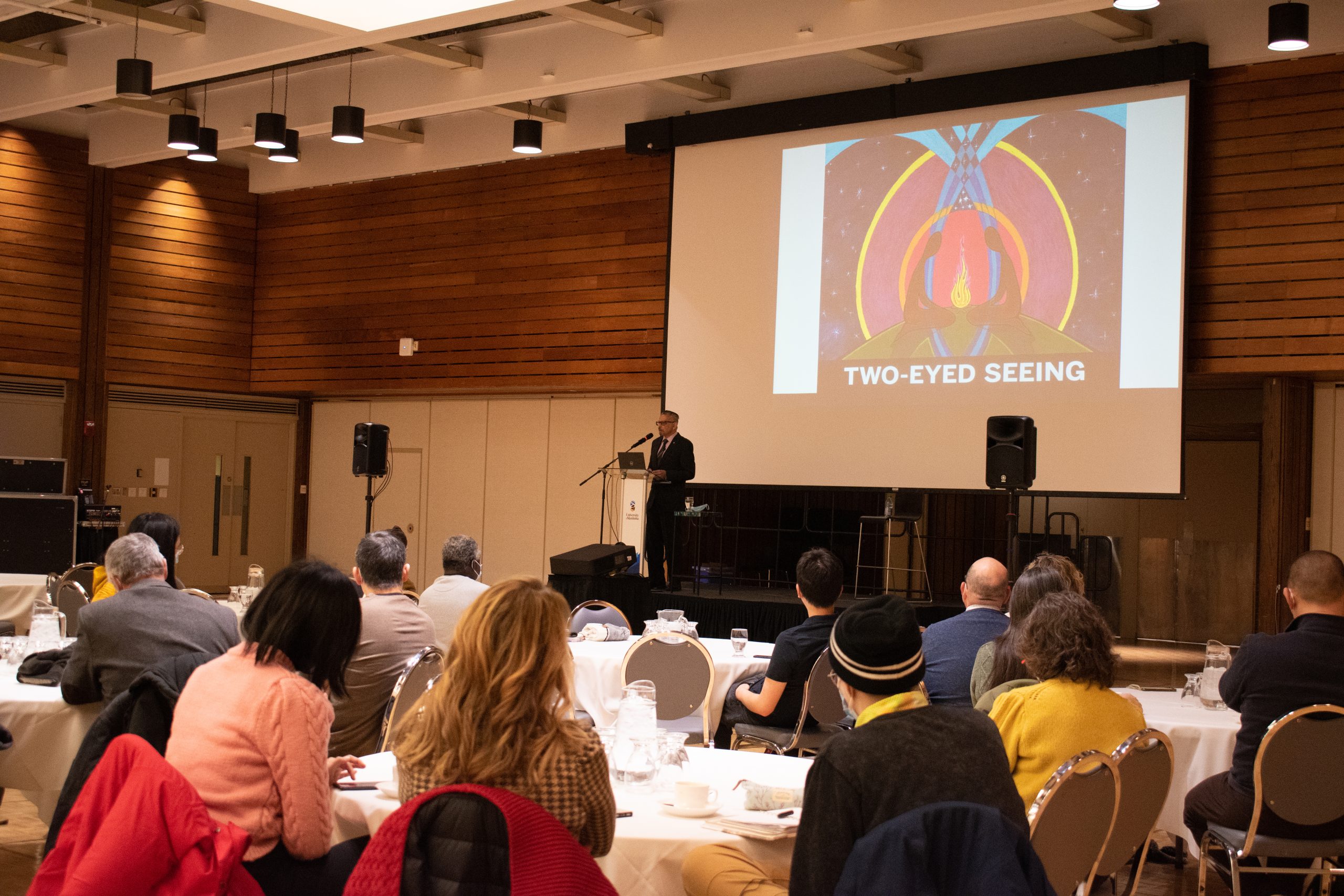
The scientific significance of traditional knowledge
By
Traditional and non-western ways of knowing are often othered in the sciences. Oftentimes, people refer to western medicine as “conventional” and traditional medicine as “alternative.”
For example, Indigenous communities in Canada used controlled burning to...
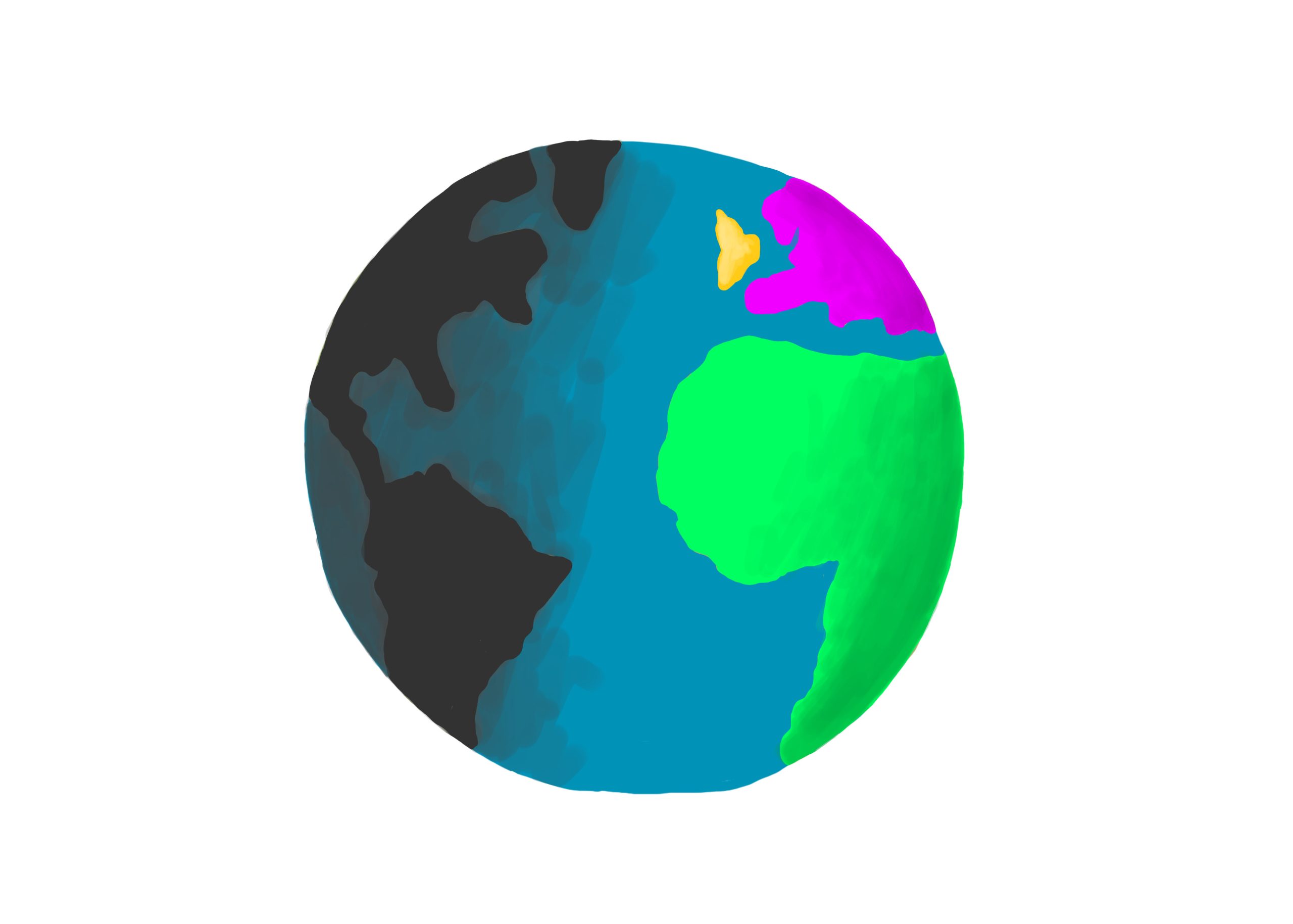
Historian engagement in health policy
By
From the historic 1918 influenza spread to the ongoing global COVID-19 outbreak, pandemics throughout history have always shaped health structures and policies, and have impacted all areas of society. In Canada, historian engagement in...
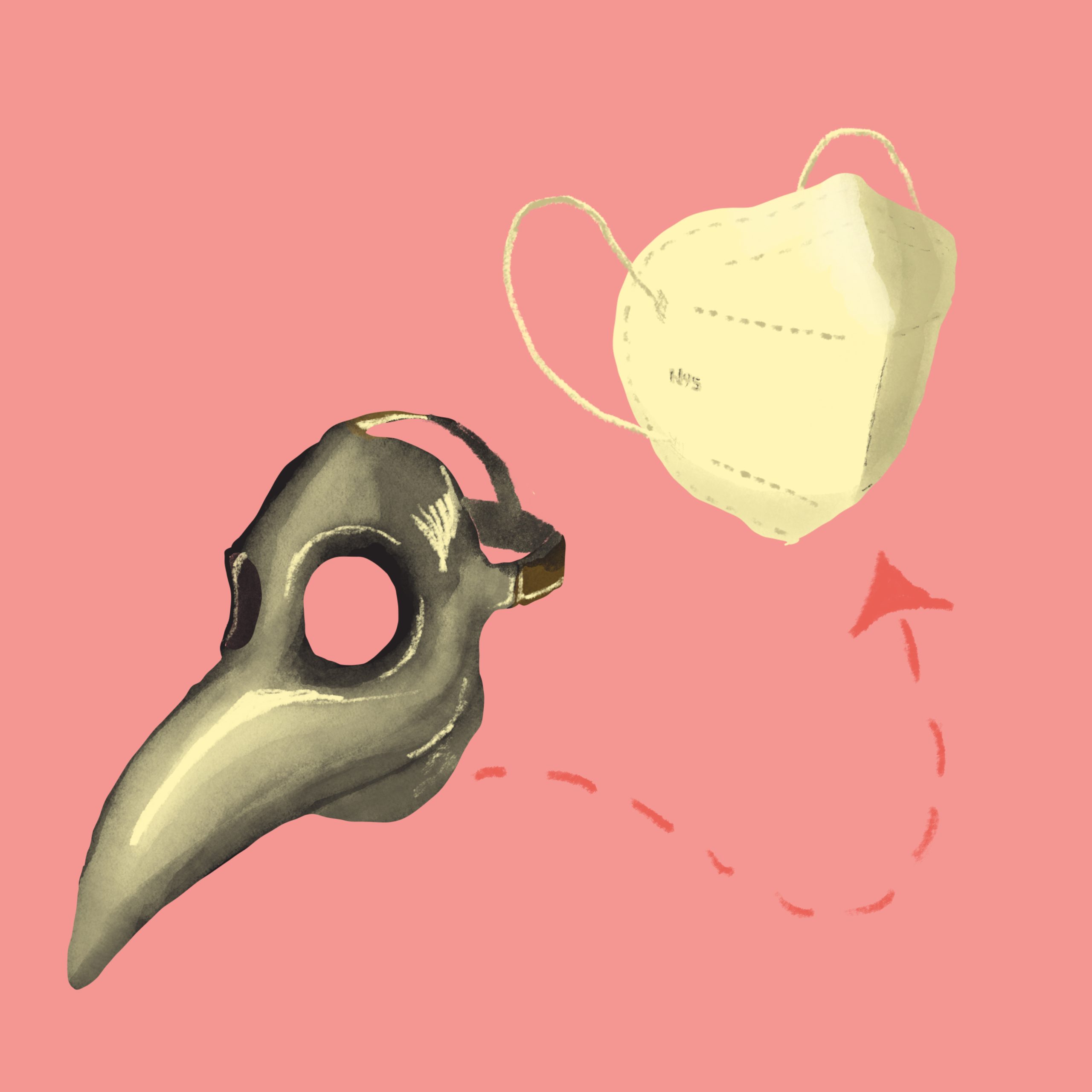
Toronto professor talks unconscious biases in academia
By
Last Tuesday, the U of M faculty of science hosted a seminar on “Recognizing and Mitigating Unconscious Bias in Academia” at its Fort Garry campus. The session featured guest speaker Maydianne Andrade, a biology...
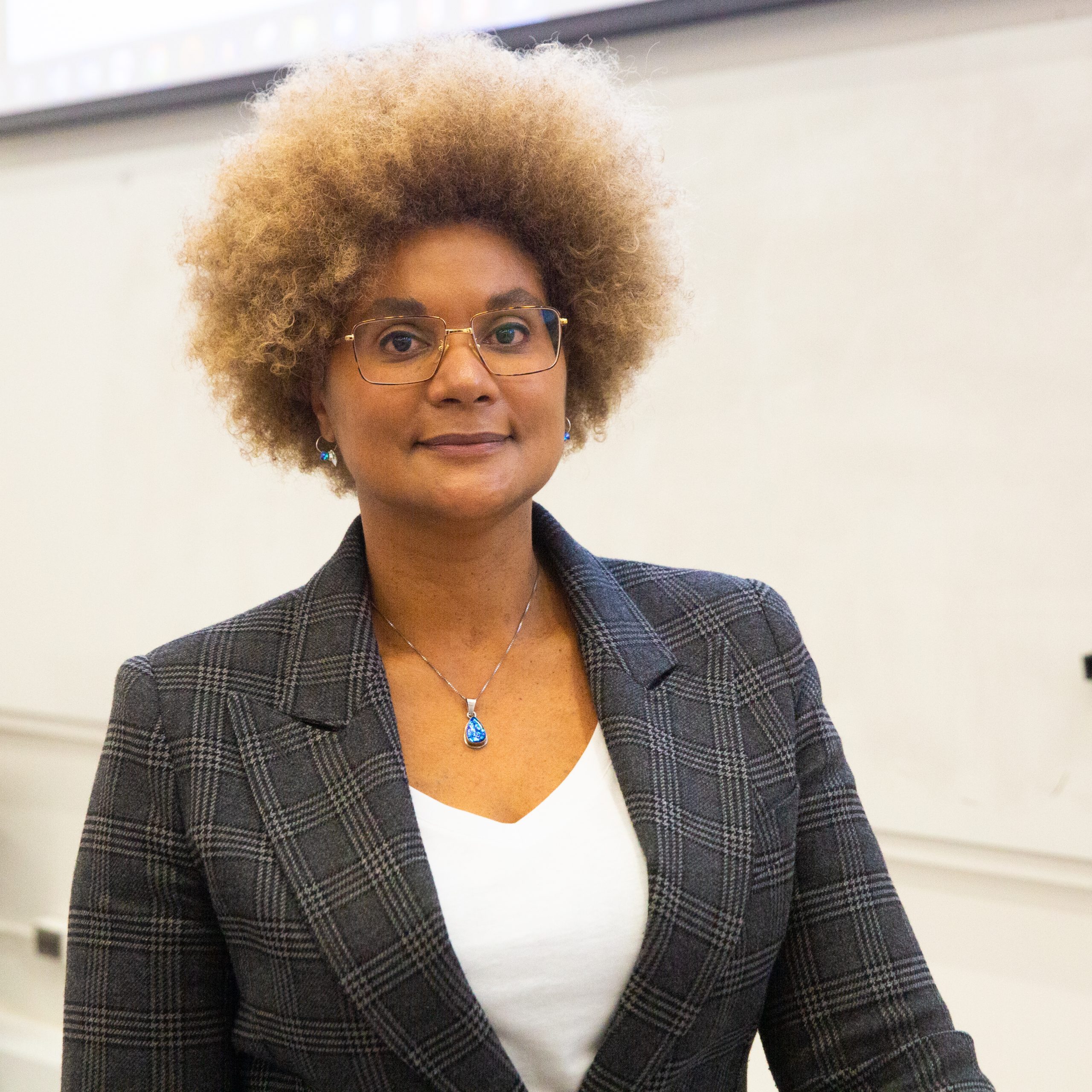
What it takes to research an Indigenous language
By
The number of speakers of Indigenous languages in Canada has fallen steadily over time. However, increased attention to these languages has changed that.
Since 2006, the total number of Indigenous people in Canada who can...

Collaboration fosters prevention, treatment of diabetes
By
Our body breaks down the food we consume into glucose and transforms it into cellular energy. Insulin — a hormone produced in the pancreas — functions in regulating our blood glucose.
Diabetes is a metabolic...
How to ruin a cyber criminal’s day
By
We exist in a digital world, with technological advancements completely transforming the way we live.
From online banking and GPS systems to social media, technology is heavily incorporated into our everyday lives.
As society becomes more...