In reality television competitions, social dynamics often reveal how strongly charisma and popularity can influence the way people judge behaviour. A good example of this is in season two of The Traitors UK, particularly the way in which contestant Paul Gordon’s actions are received by the rest of the contestants.
In The Traitors UK, contestants must work together to identify the traitors among them while the traitors attempt to secretly manipulate the group and eliminate others from the game. Because the game relies heavily on trust and social perception, players who build strong relationships often gain a significant advantage.
The show itself is built around deception, strategy and social manipulation. As such, I think it makes a useful case study for understanding how personality traits, such as charm and sociability, are able to shape the way in which people interpret each other’s actions. I think Gordon’s role on the show helps illustrate how charismatic individuals can sometimes receive more forgiveness and support for questionable behaviour than people who have less social influence.
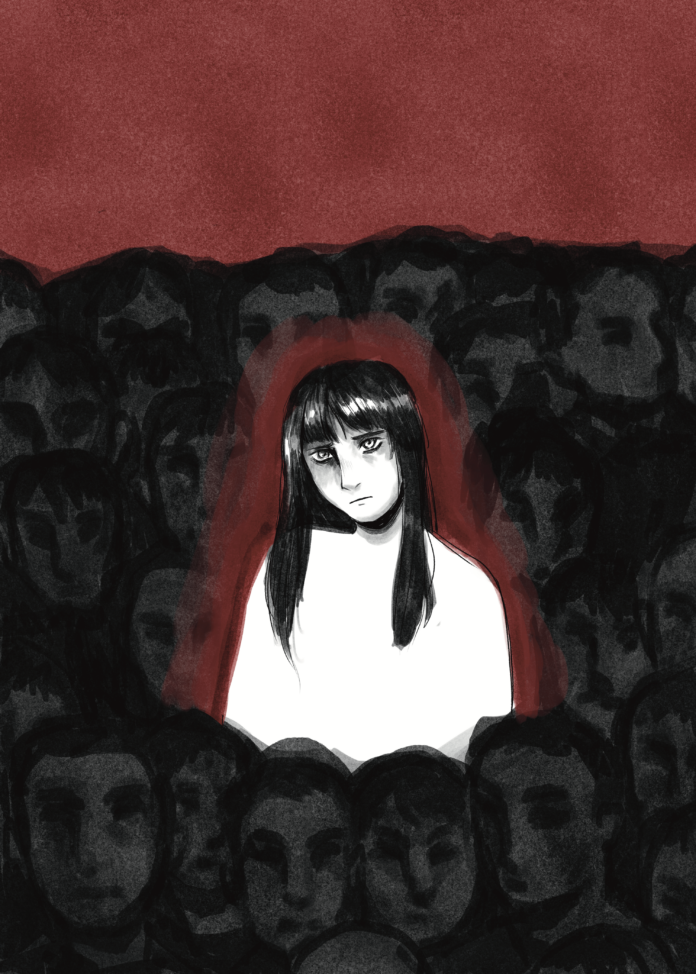
I acknowledge that Gordon played a deceptive and manipulative game, as he should. However, when other contestants displayed suspicious or strategic behaviour, they were often quickly targeted or criticized by the group. By contrast, Gordon frequently received the benefit of the doubt, and many players continued to trust him even when evidence was suggesting he may not have been acting honestly. His sociable personality and ability to connect with others seemed to shield him from the level of scrutiny that the other contestants received.
This dynamic reflects a broader psychological phenomenon that some people refer to as the “halo effect.” This is when people’s positive impressions of a person in one area, such as their friendliness or listening ability, influence their overall perception of the person. In Gordon’s case, I think his outgoing personality and social confidence made others more likely to interpret his behaviour as positive rather than suspicious or “traitorous.” Instead of viewing his actions as manipulative, many contestants framed them as just being a part of his outgoing personality.
What makes this even more interesting is that we can observe the same pattern outside of reality television. In many cases, I have witnessed that people who are highly charismatic are sometimes defended even when their actions should be widely criticized. Their supporters may downplay their negative behavior, reinterpret events to make them more favourable or even argue that people are being too critical or overreacting. I have observed that charisma can function as a kind of social protection that shapes how audiences interpret a person’s behaviour.
The same thing is observed on social media, particularly with influencers, celebrities and public figures who are charming and have strong fanbase. Because fans feel emotionally connected to them, they are more likely to defend them when controversies arise. Even when an individual is dead wrong, people find an excuse to defend their behaviour or downplay it as being “not that deep.”
The environment of The Traitors UK makes these dynamics clear because, as viewers, we can observe the social relationships between contestants in both high-pressure and low-pressure situations. When trust, suspicion and group opinion interact, personality traits like charisma can significantly influence the group’s collective decision-making. During a number of occasions where a traitor like Gordon should have been voted out, we see players who are less socially strong get voted out instead.
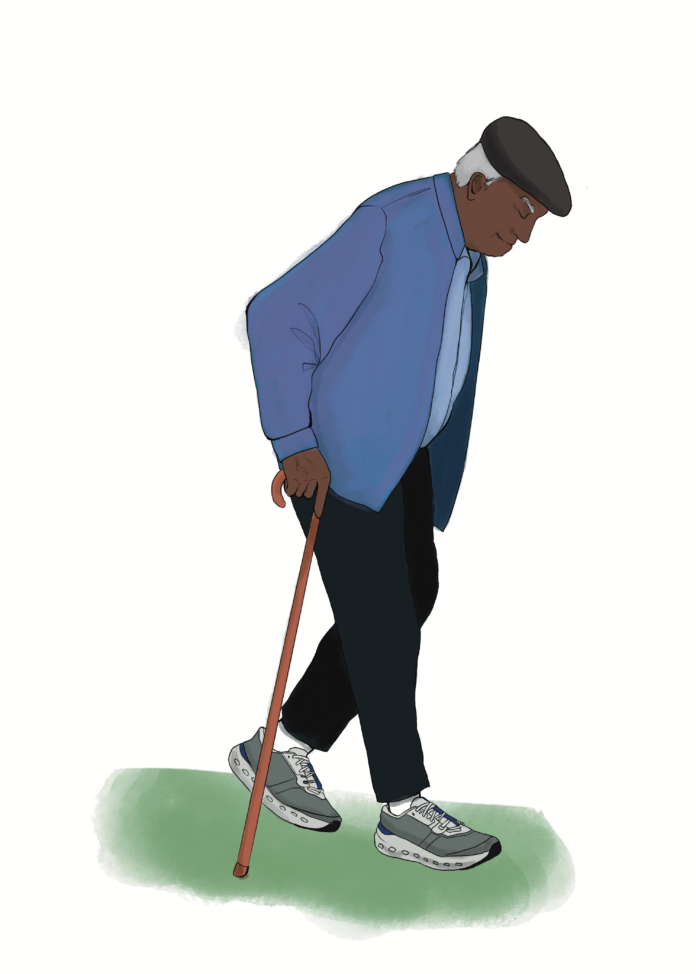
Gordon’s role in The Traitors UK season two demonstrates how powerful these social factors can be. Even when his actions could be interpreted as manipulative or self-serving, his strong social presence allowed him to maintain influence within the group for a significant portion of the game. I would also like to contrast Gordon’s appearance as a traitor with Jaz Singh, who served as a faithful within the game. Singh managed to correctly identify every traitor in the game, but because he was less socially persuasive, no one believed him. The reactions toward both these contestants expose how charisma can shape social perception and cause people to overlook behaviours they ordinarily would question.
Ultimately, The Traitors UK provides a small but revealing example of how social dynamics operate more broadly in society.