I think there are very few things in the world that bring people together the way that soccer does. Whether you are watching it from a crowded stadium or from your living room, the game has a way of unifying.
As another World Cup approaches, I think conversations about legacy and greatness are beginning to resurface, and fans like me are comparing icons and reliving unforgettable moments. Between La Liga, the Premier League and the World Cup, there is so much about the game to discuss and so many time periods in which players showcased their talent and sportsmanship.
For many supporters, though, 2008 to 2018 represents a golden era in the game. The decade was filled with tactical innovation, excitement and rivalries that seemed to align perfectly.
At the centre of this era was the legendary rivalry between Lionel Messi and Cristiano Ronaldo, two of the best players to ever kick a soccer ball professionally. Messi’s creativity and natural brilliance, combined with his vision and world-class dribbling were perfectly contrasted by Ronaldo’s disciplined athleticism, relentless passion for the game and incredible overhead kicks.
The two are not just rivals for individual awards, they have found themselves on opposite sides of La Liga, which intensified their competition. With the two Spanish sides, Real Madrid FC and FC Barcelona, having a rivalry that spanned back decades, Messi and Ronaldo on either team made every match-up feel historic. This era produced so many unforgettable goals, multiple hat-tricks and moments of brilliance that have solidified it as one of the greatest periods in soccer history.
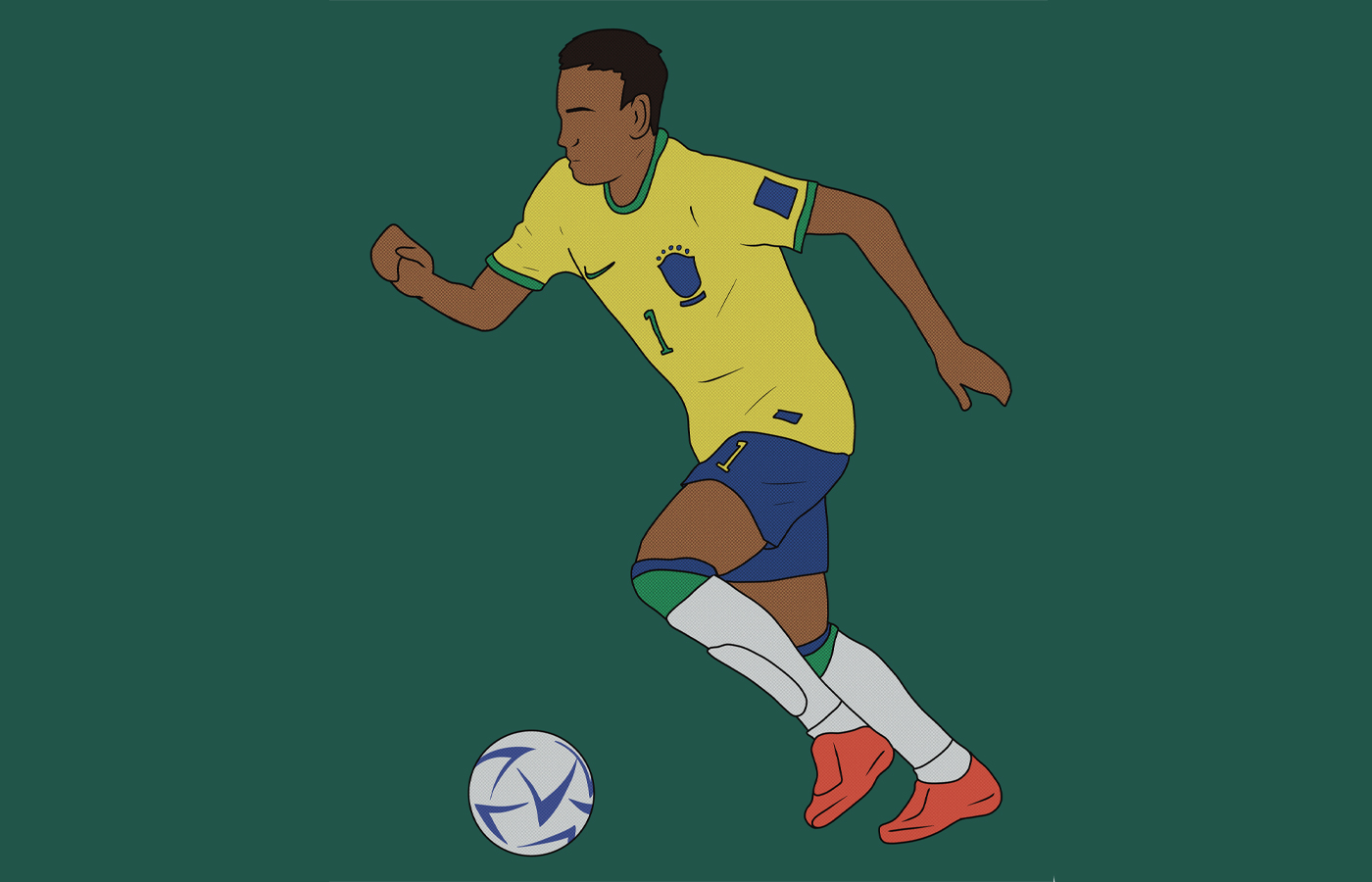
Messi and Ronaldo’s greatness often seemed to eclipse the game itself. I think that there are many other players whose work both on and off the field helped shape that era of soccer. Neymar was one of these players. His flair and creative confidence brought a different kind of excitement to the pitch and the media.
At FC Barcelona, he formed one-third of the famous attacking trio alongside Messi and Luis Suárez. Additionally, his youthful personality and expressive style made him one of the first modern soccer stars whose influence extended far beyond the pitch. Fans did not just care about his goals, but also his image, fashion and social media presence. I think that he represented a shift in how soccer players were viewed in the digital age.
The golden era was also defined by its international tournaments, particularly the 2010 FIFA World Cup held in South Africa. That tournament was historic for several reasons. It was the first and only World Cup ever hosted in Africa, which made it a powerful and symbolic moment. It showed the truly inclusive nature of the sport. Spain’s victory at the tournament marked the peak of their position-based dominance, and Andrés Iniesta’s winning goal in the final became etched in soccer history.
The 2014 World Cup in Brazil continued the drama with Germany’s triumph and the unforgettable 7-1 victory that knocked Brazil out of the tournament. Even years later, I cannot believe that Germany humiliatingly beat the host nation and the favourites to win by six goals!
As we look ahead to the future of soccer, it seems promising. Players like Kylian Mbappé have already proven that the next generation is ready to continue to carry the game forward. His explosive pace and composure on the biggest stage during multiple World Cups showed that he thrives under pressure. I think he is talented and built for greatness as a player.
Players like Vinícius Júnior are shaping the future in more ways than one. Beyond his electric performances and technical ability for Real Madrid CF, he has become a powerful voice against racial abuse in soccer. His courage in confronting discrimination depicts how the game is evolving socially. Today’s stars understand the platform they have, and they’re using it to push for change.
As another World Cup approaches, there is a sense of anticipation. New rivalries may form and new legends may rise. The beautiful game is only getting better.