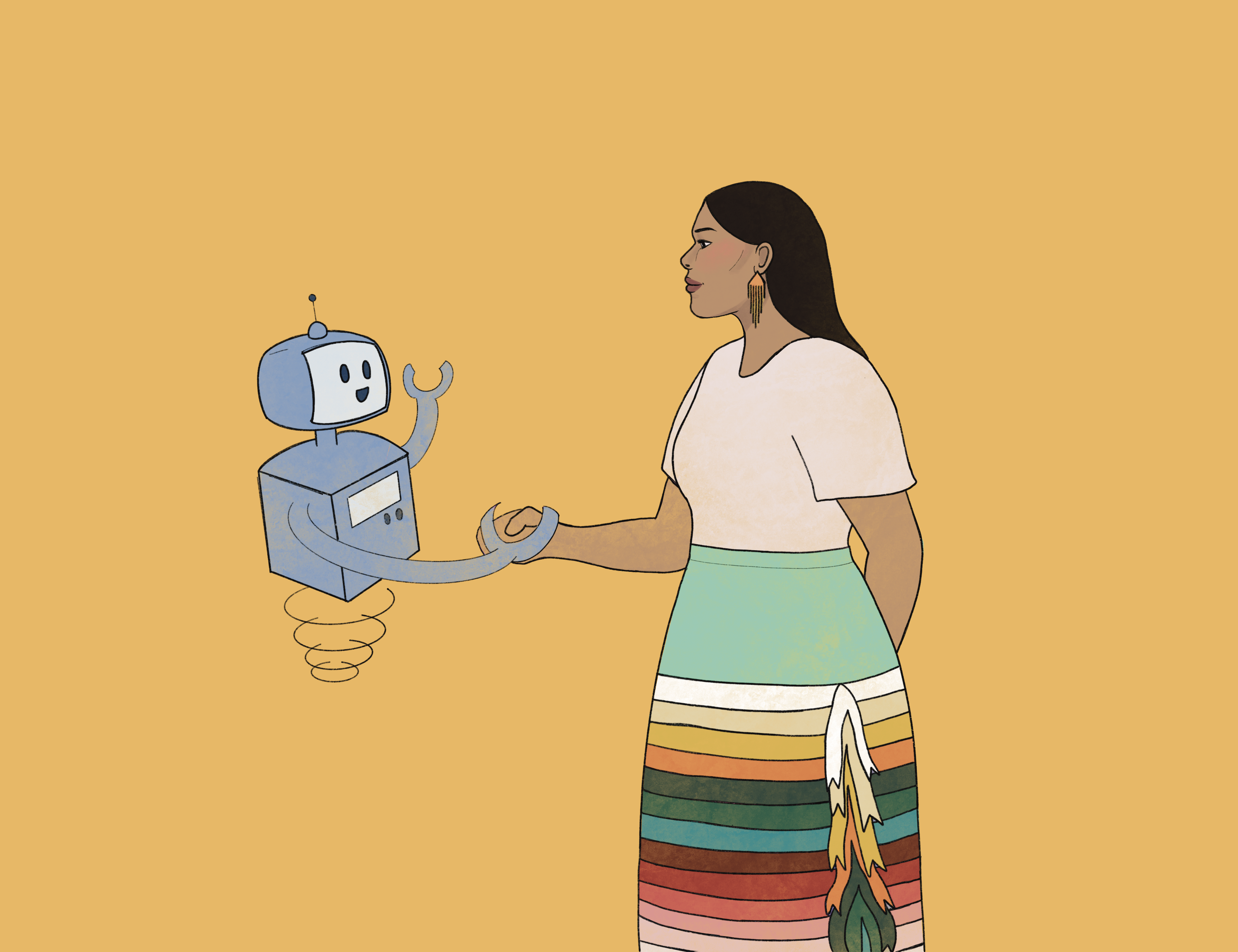
The intersection of Indigenous knowledge and AI
By
Artificial intelligence (AI) is a machine’s ability to perform tasks associated with the intelligence characteristic of humans, such as reasoning, finding meaning, generalizing and learning from past experience. Today, AI completes diverse tasks from...
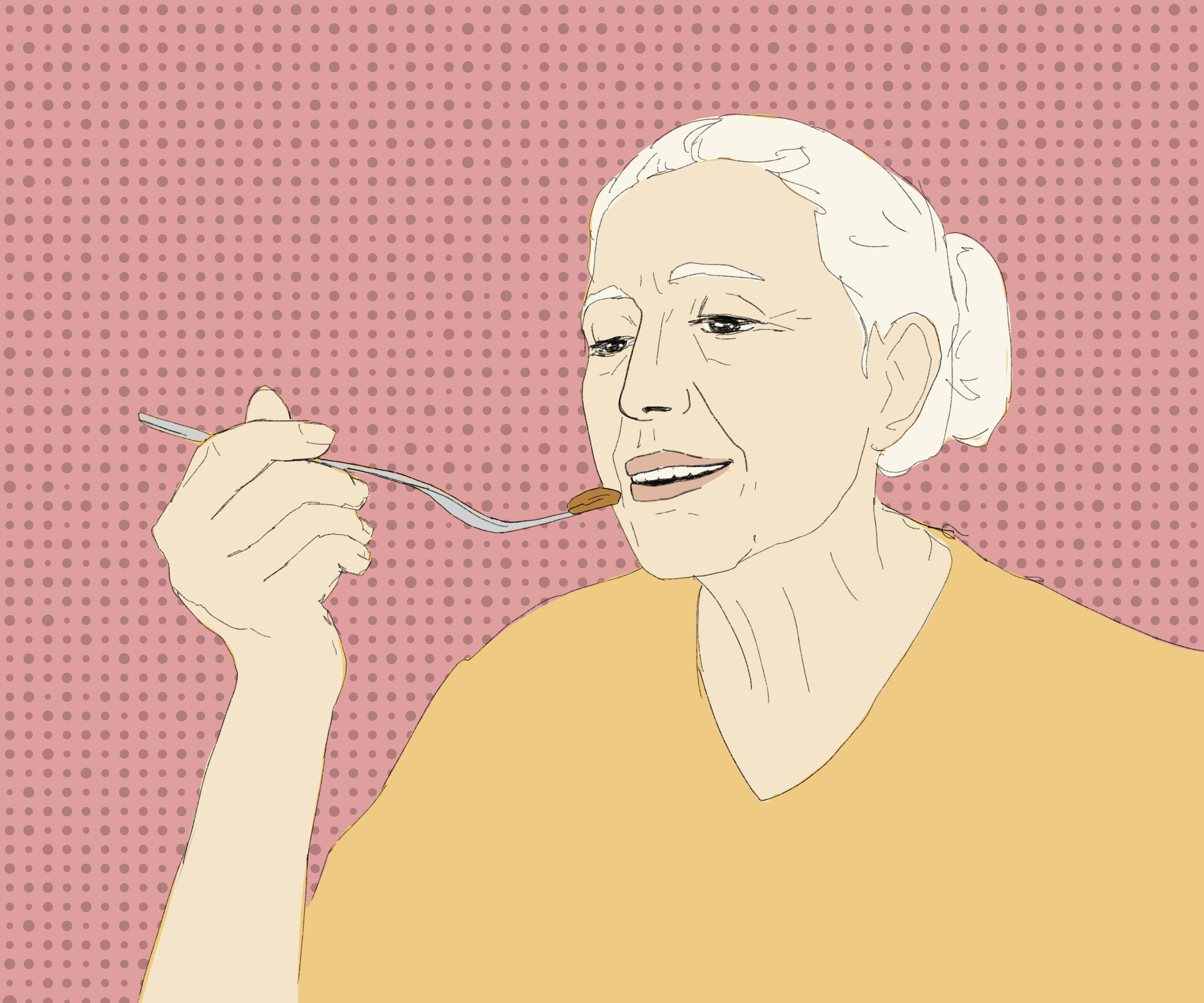
Helping older adults meet their nutritional needs
By
According to the American Geriatrics Society, more than half of older adults in hospitals or long-term care (LTC) homes experience malnutrition. Malnutrition includes both under- and over-nutrition and can result in health issues, functional...
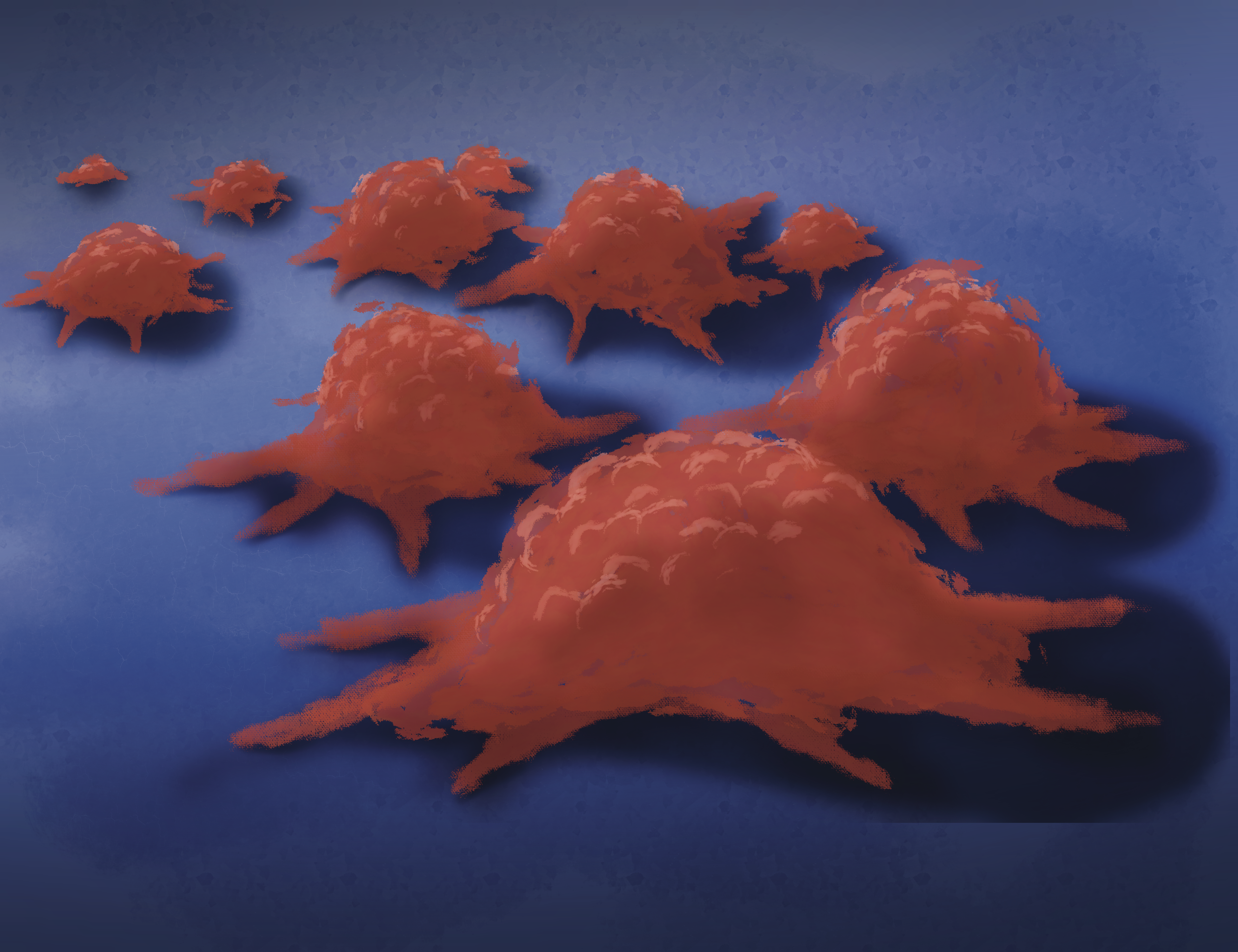
Battling blood cancer
By
Over one million people worldwide are diagnosed with blood cancer every year, causing 720,000 deaths annually.
Blood cancers begin when cells in the bloodstream or bone marrow mutate, allowing them to multiply excessively and have...
Advancing maternal and infant health globally
By
Epidemiology is a branch of medicine that deals with the causes, frequency and pattern of diseases in a population. It examines how diseases can be tracked, predicted and prevented. Epidemiology is considered the foundation...
When babies can’t breathe
By
One in every 5,000 babies experience persistent pulmonary hypertension (PPHN), a lethal condition that occurs when they are unable to get enough oxygen after being born. It is one of the leading causes of...
Supporting the Deaf community
By
Sixty per cent of Canadian adults have hearing problems and many are unaware of it. Approximately 382,700 are deaf, with another 3,827,000 being hard of hearing. Others have high-frequency hearing loss and/or tinnitus, a...
The brain, the placenta and cells that birth other cells
By
Lei Xing had always been fascinated by the human brain.
Initially, his desire to understand the inner workings of the brain led him to medical school to become a medical doctor. When he ultimately changed...
Articles By: