Inside the U of M’s Village Lab
By
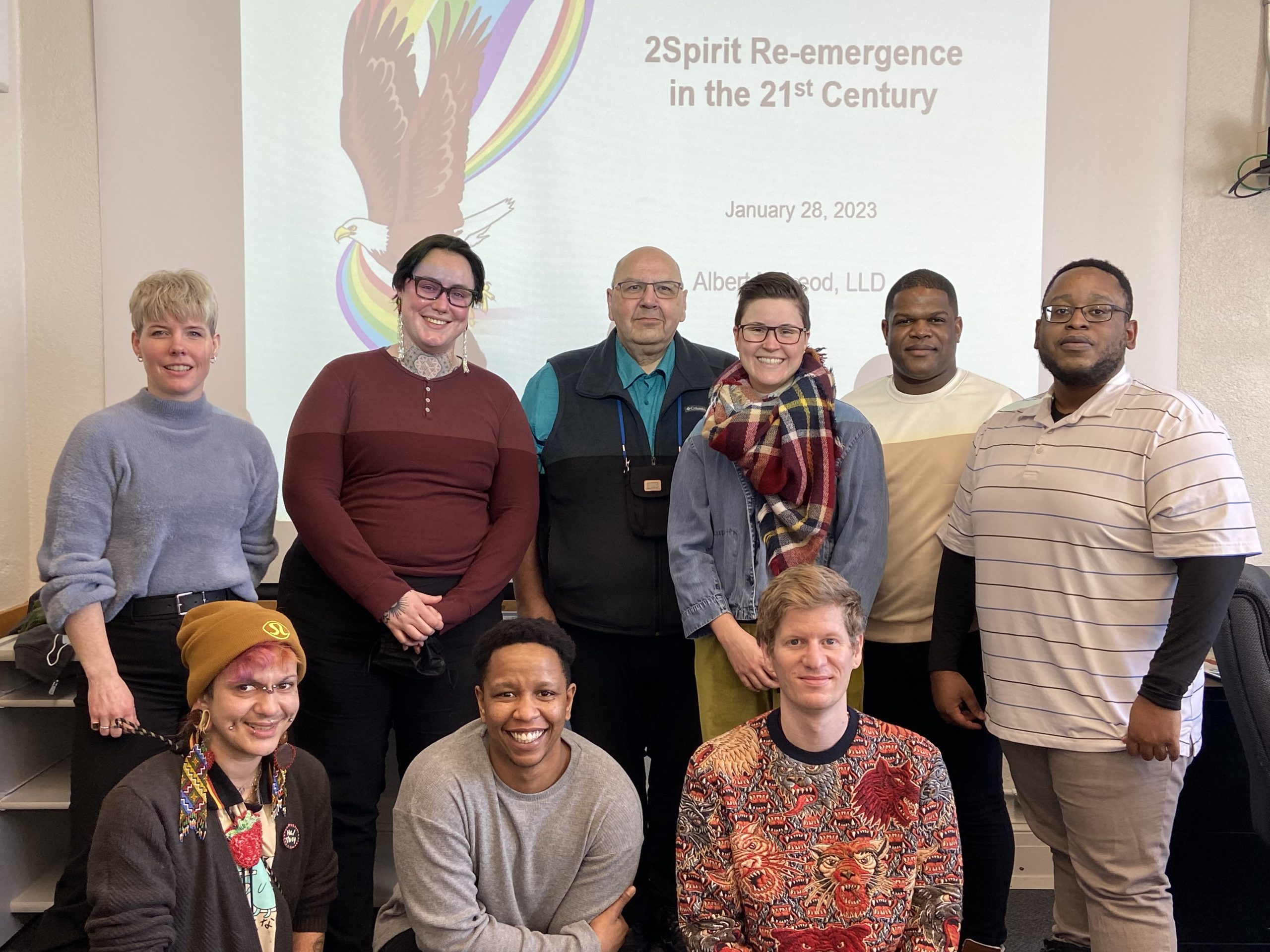
Gigii-bapiimin is an Ojibwe language term meaning, “we survived.”
It is an expression that reflects the resilience and strength of Indigenous people.
The Gigii-Bapiimin study, launched by the Village Lab — U of M’s faculty of...
Project to examine period poverty across U of M campuses
By
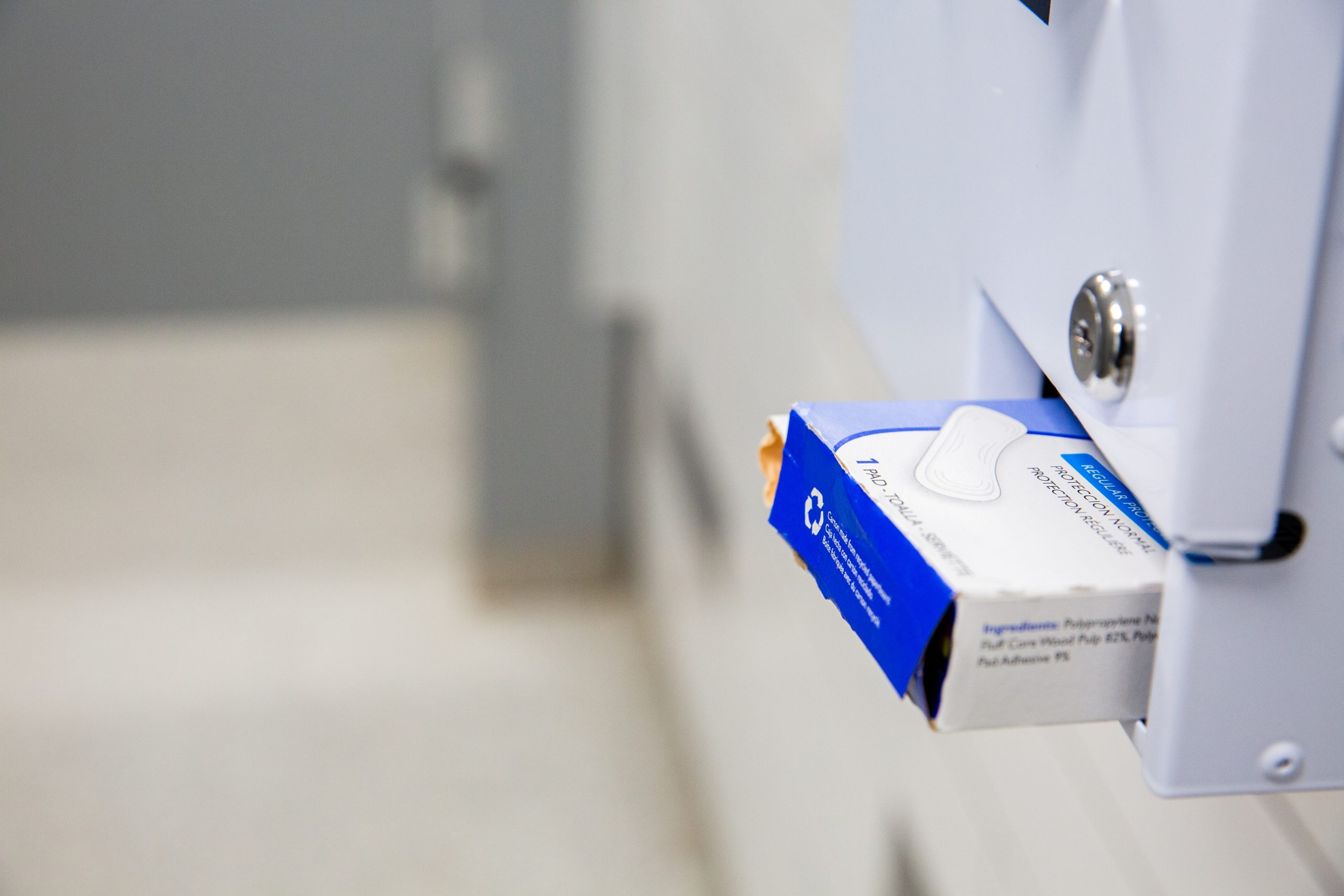
Periods are a fact of life.
They are a basic human biological function for nearly half the world’s population.
However, many individuals face challenges in accessing basic necessities to manage menstruation due to financial or other...
New research finds T. rex had scaly lips
By
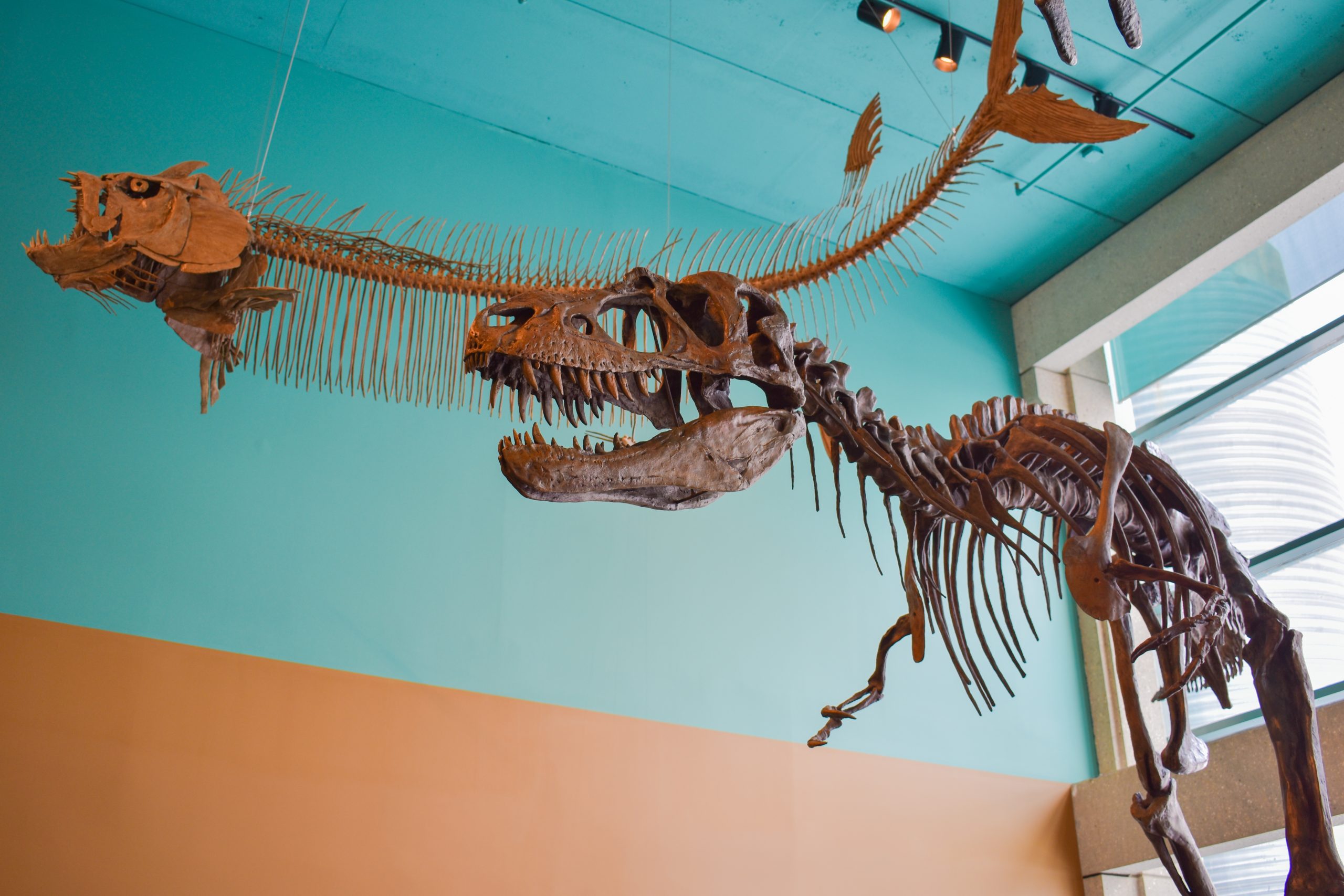
About 65 million years after their extinction, dinosaurs remain some of the most famous prehistoric animals, and are often depicted in popular culture.
In the 1993 film Jurassic Park, the iconic Tyrannosaurus rex was portrayed...
What past epidemics tell us about COVID-19
By
On March 11, 2020, the World Health Organization declared COVID-19 a pandemic.
With over 761 million reported cases and a series of nation-wide lockdowns in the past three years, the trajectory of the COVID-19 pandemic...

A glimpse of the U of M skies
By
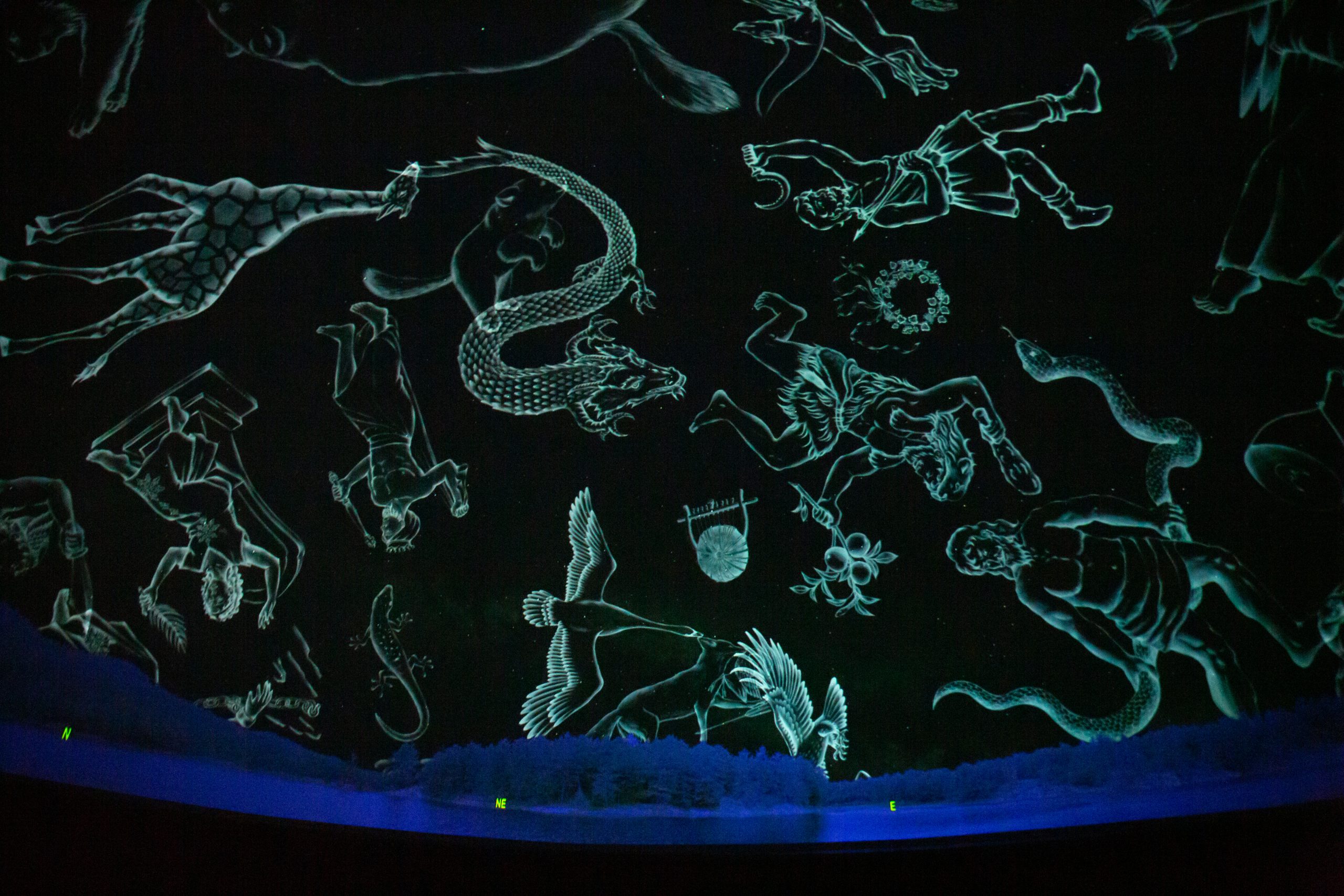
On the third floor of University College, in room 394, is the Lockhart Planetarium.
This facility at the U of M Fort Garry campus serves as an immersive teaching and public outreach space for the...
UBC prof discusses new approaches to eco-climate crisis
By
Last Thursday, the University of Manitoba Centre for Professional and Applied Ethics hosted a virtual lecture on the importance of eco-climate activism.
The lecture, “Does the co-climate crisis call for a new kind of citizenship,...

U of M co-led international study on preterm births
By
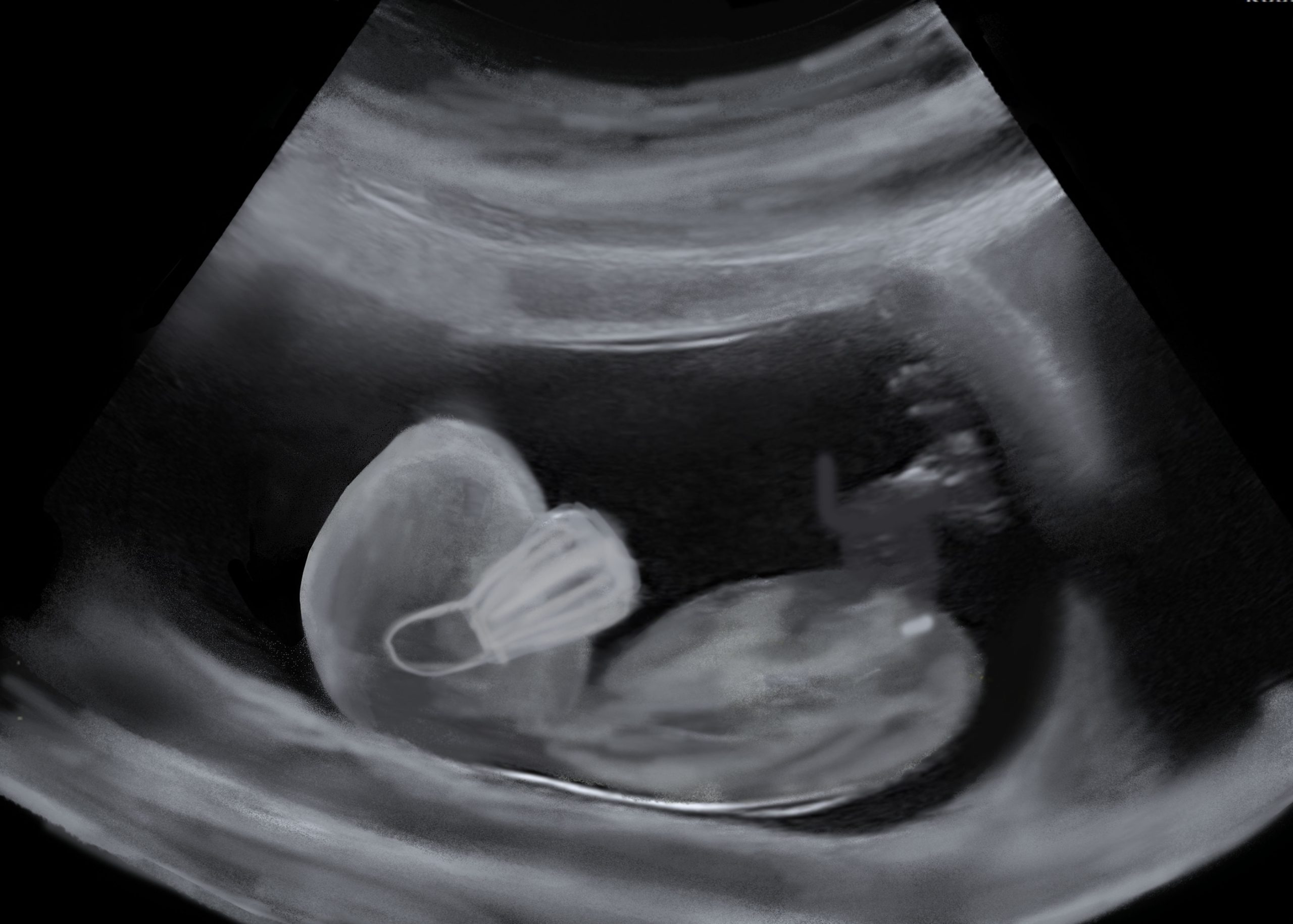
Recent data from the International Perinatal Outcomes in the Pandemic (iPOP) study found a global decrease in preterm births during the COVID-19 pandemic lockdown.
A preterm or premature birth occurs when a baby is born...
Articles By: