Research & Technology
The neurobiology of grief
By
Earlier this month, the Rady faculty of health sciences hosted a seminar on the neurobiology of grief. The seminar featured a presentation by Mary-Frances O’Connor, associate professor of psychology and director of the Grief,...
Festivals as catalysts
By
After finishing a degree at the U of M, Christine Van Winkle worked at the Winnipeg Fringe Theatre Festival. Serving initially as the volunteer co-ordinator and subsequently occupying various roles at the festival over...

Landscape design in a changing world
By
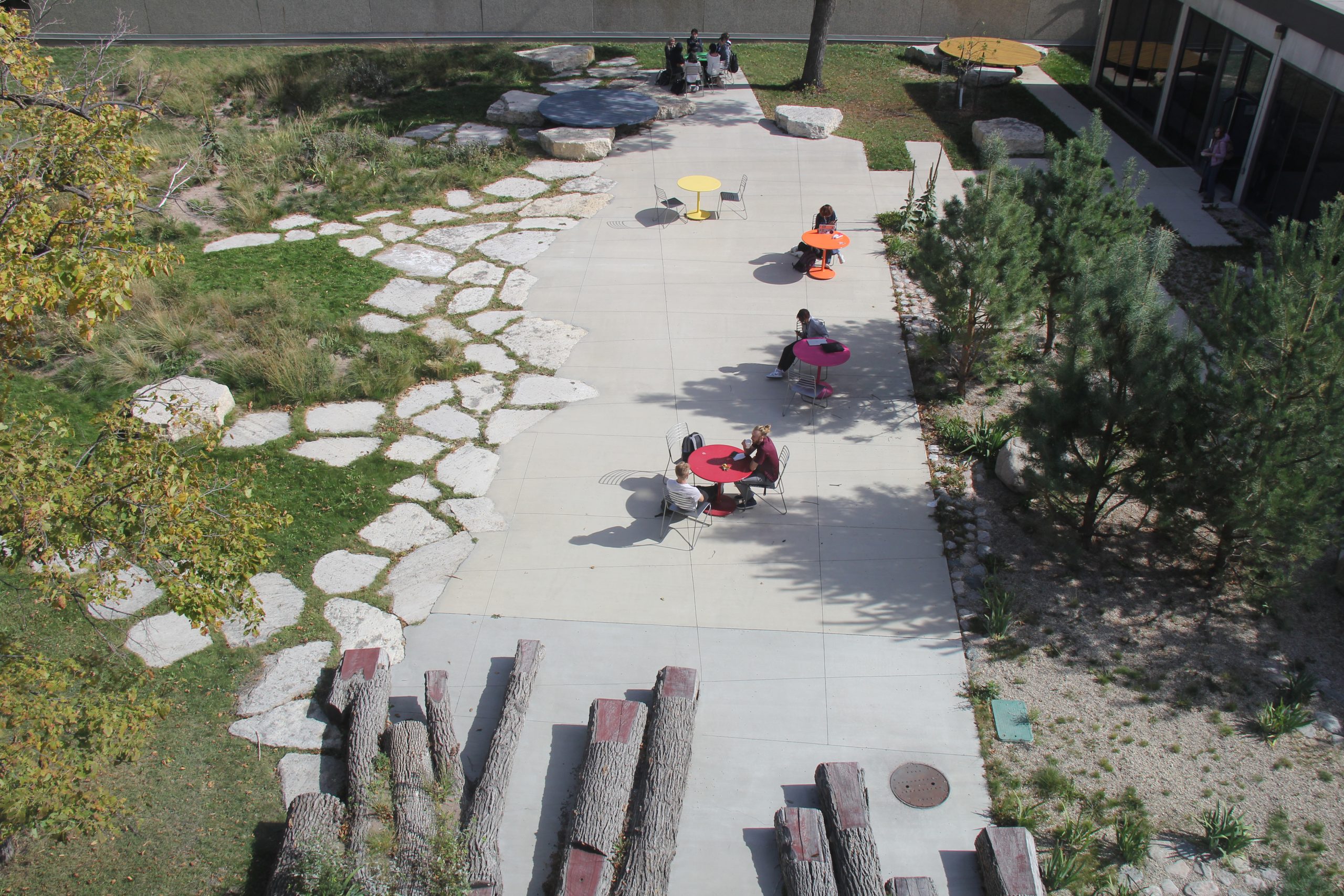
The science courtyard sits behind the Armes lecture building, between Parker building and Machray Hall.
The outdoor space was designed by professors in the department of landscape architecture Anna Thurmayr and Dietmar Straub back in...
Improving food security by studying insects
By
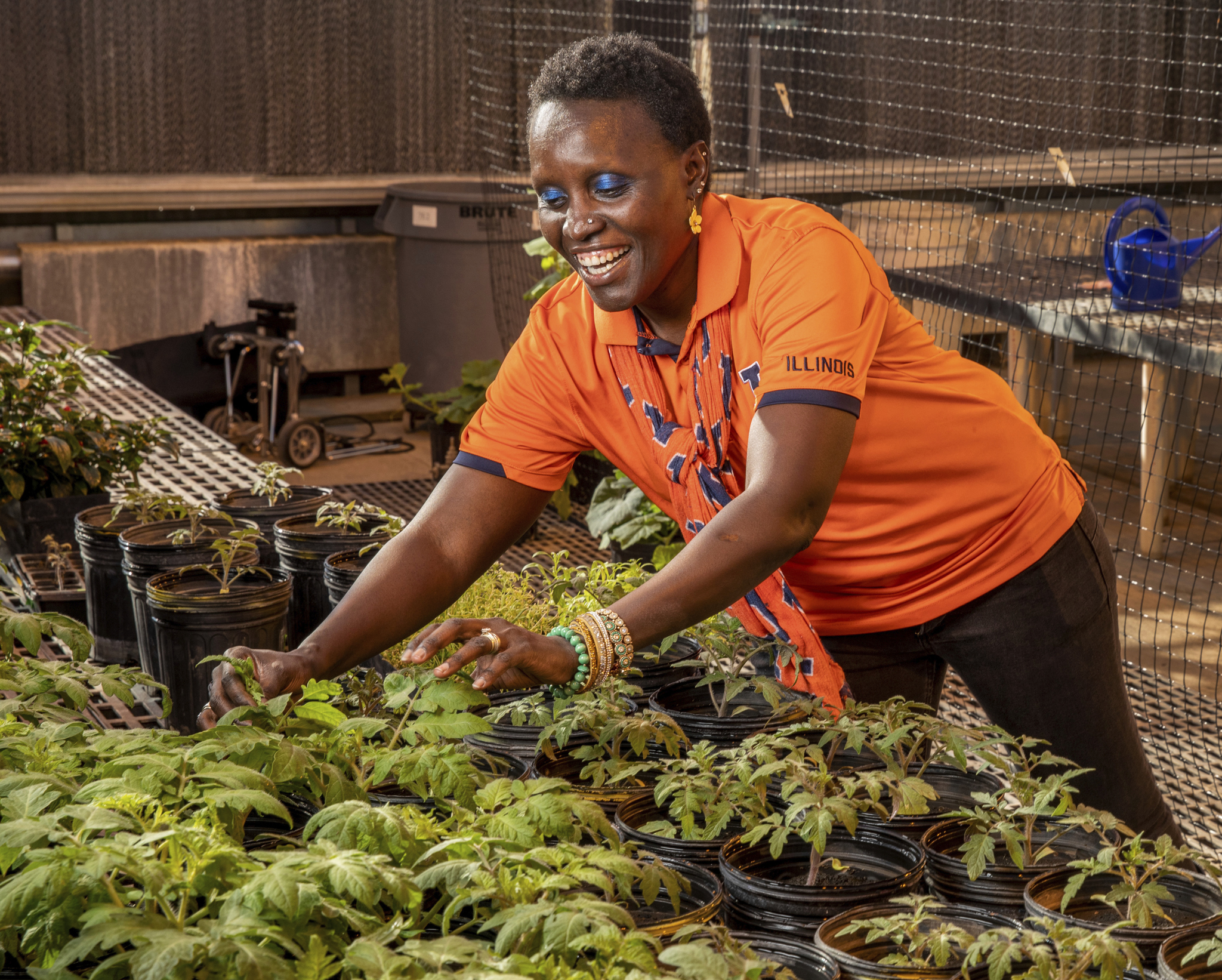
Esther Ndumi Ngumbi grew up in a rural farming community on the Kenyan coast. Her parents worked as teachers and cultivated crops to supplement their income. When not in school, much of her time...
Midwives and the changing maternal health landscape
By
Each year in Canada, over 300,000 people give birth. High quality, accessible care helps ensure their safe transition from pregnancy, to birth, to the postpartum period. More Canadian jurisdictions are regulating and funding midwives,...

How human health has evolved through time
By
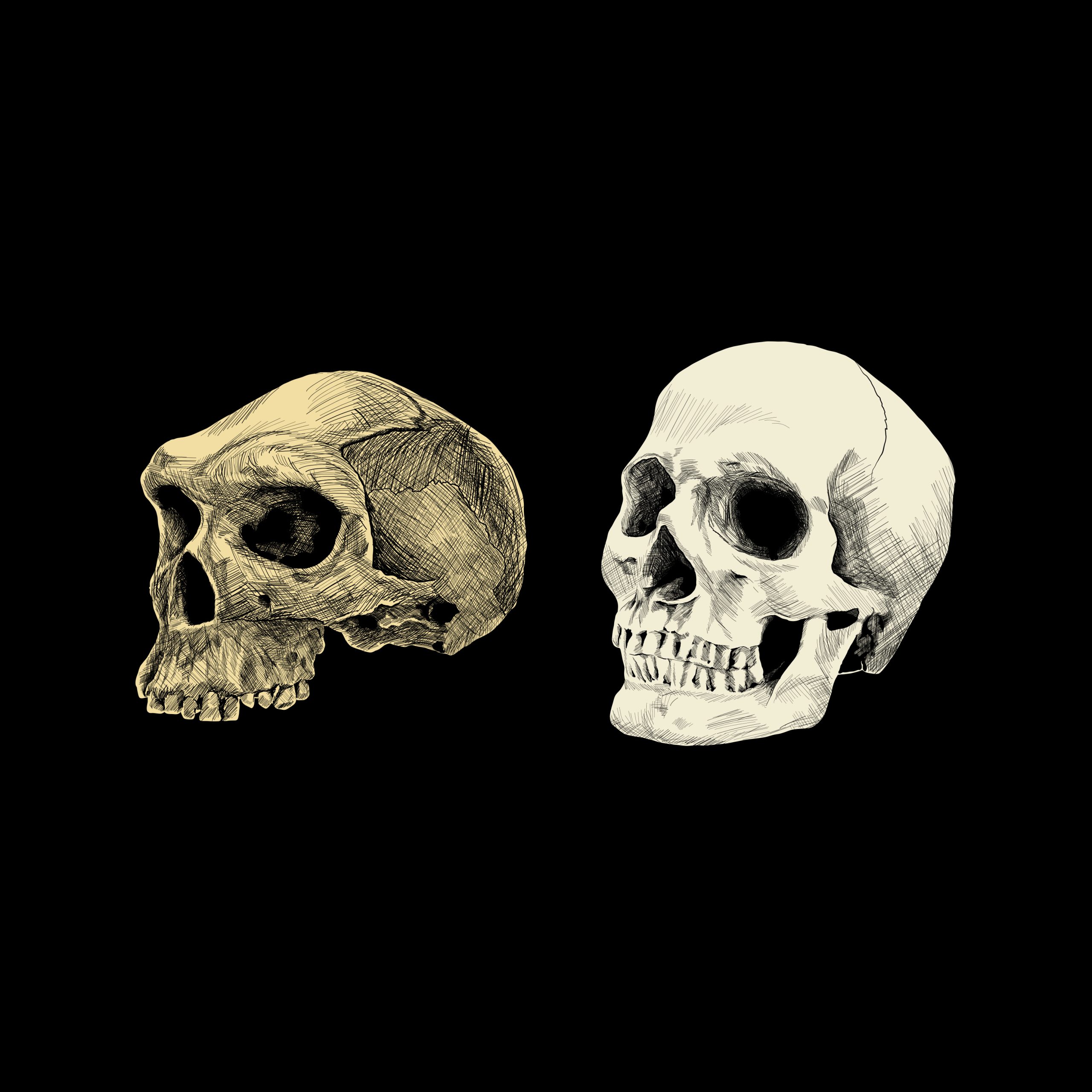
With a focus on skeletal remains, U of M associate professor in anthropology Julia Gamble offers a unique perspective on how early life experiences can shape later life outcomes.
Gamble’s research centers around bioarchaeology, a...
Working to end intimate partner violence
By
More than one in four women experience intimate partner violence before the age of 50. A form of gender-based violence, intimate partner violence (IPV) refers to harm or abuse caused by a current or...