Research & Technology
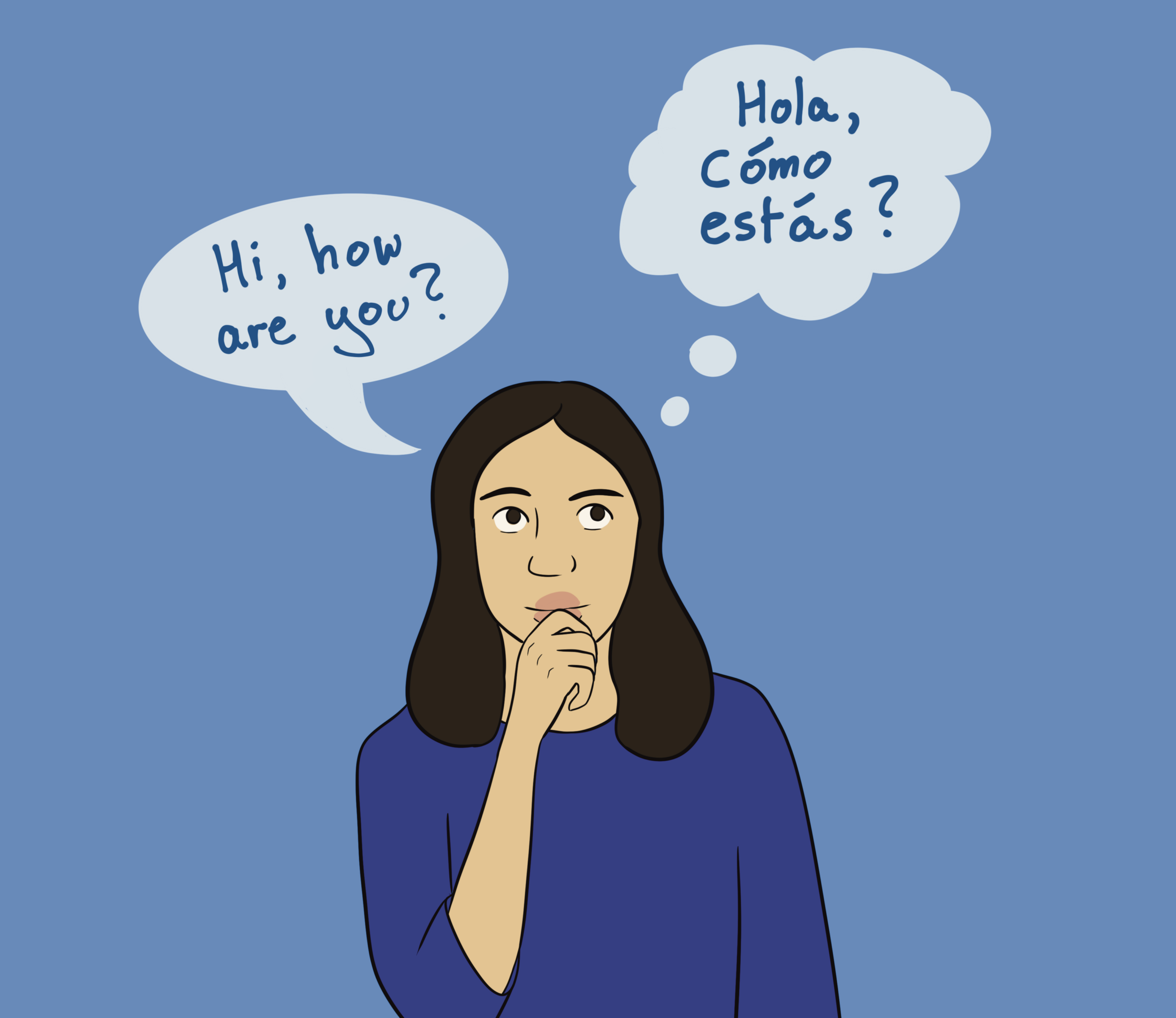
Multilingualism is more than a language skill
By
Does knowing more than one language amount to just another skill on a resume? Research suggests otherwise. Speaking more than one language can feel like switching between different versions of oneself. So much so...
Rethinking care by challenging traumatizing systems
By
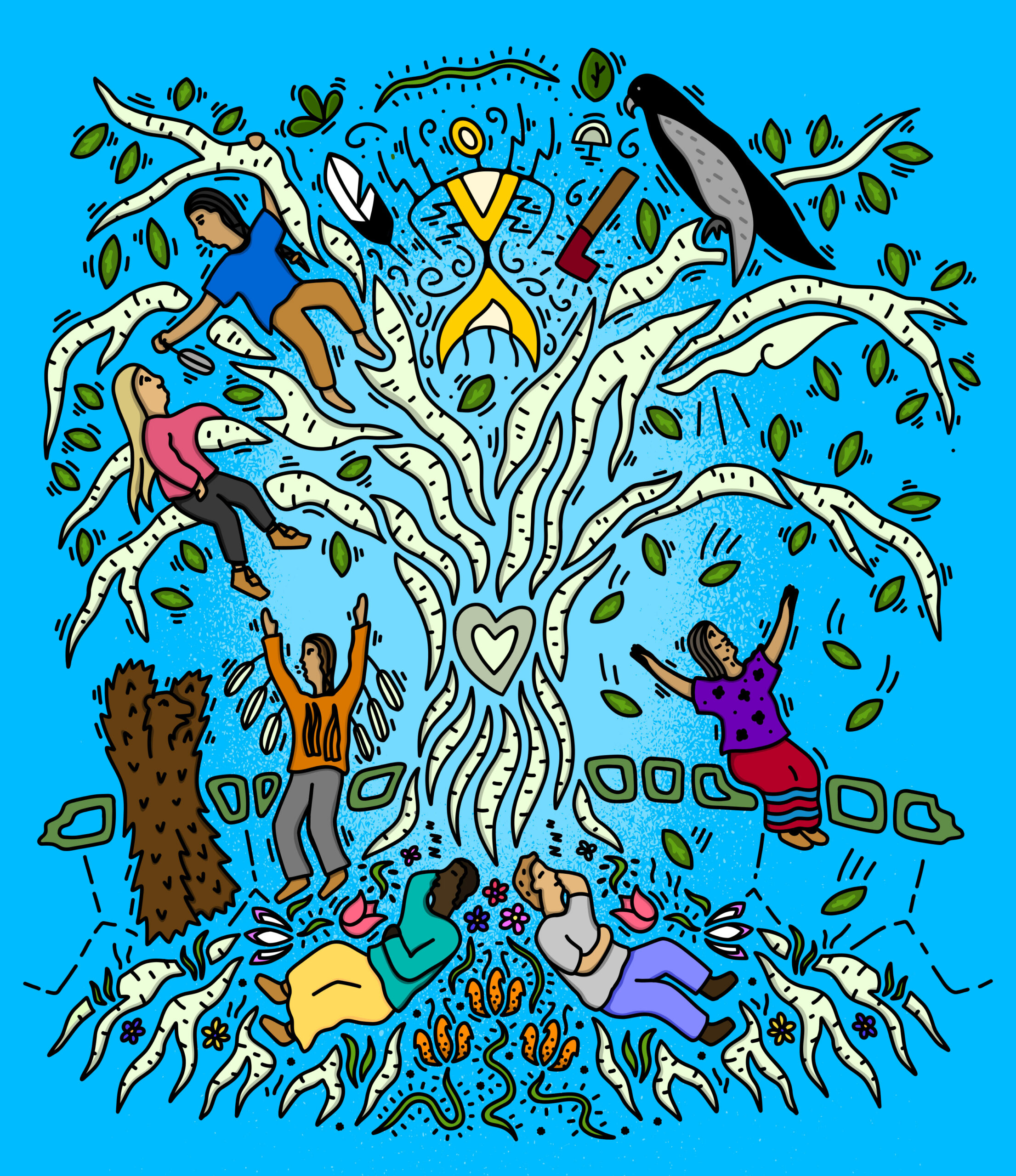
For Christine Mayor, trauma is not just an individual experience, rather it is often produced by the very systems meant to provide care.
Mayor, an assistant professor in the U of M faculty of social...
Spiritual benefits of going offline in a digital age
By
In today’s digital world, spirituality is increasingly shaped by online spaces. Social media, apps and websites provide new ways to engage with faith, but they also reshape how people think about and practice spirituality....
Inside the mind
By
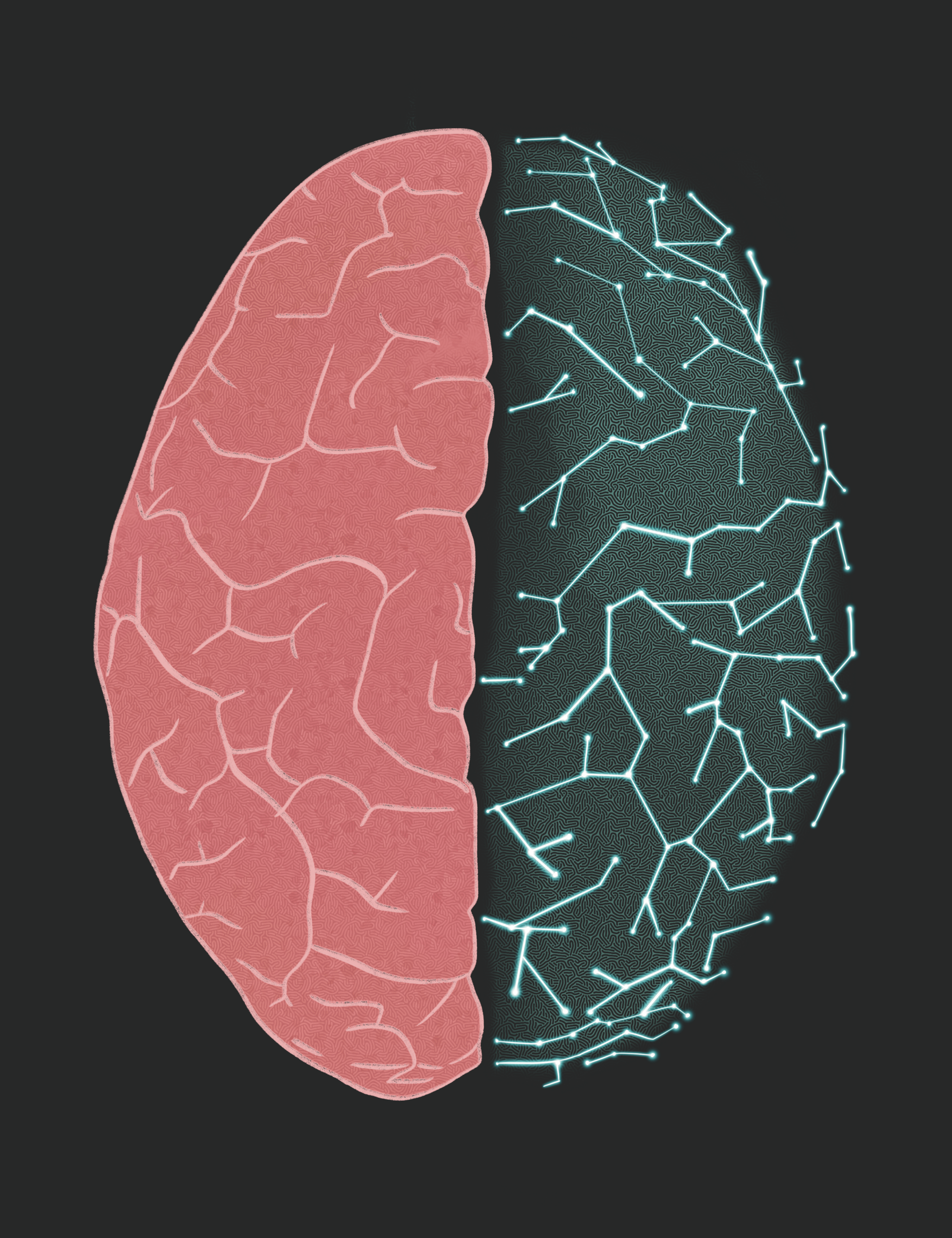
Understanding how people think might seem abstract, but for Randy Jamieson, it is a question that sits at the centre of human intelligence and, increasingly, the future of artificial intelligence (AI).
Jamieson, a U of...
AI use in immigration processing
By
Immigration, Refugees and Citizenship Canada (IRCC) has officially rolled out a formal strategy governing its use of artificial intelligence (AI), signaling that the technology is now deeply embedded in the country’s immigration processing machinery...
From platonic to romantic
By
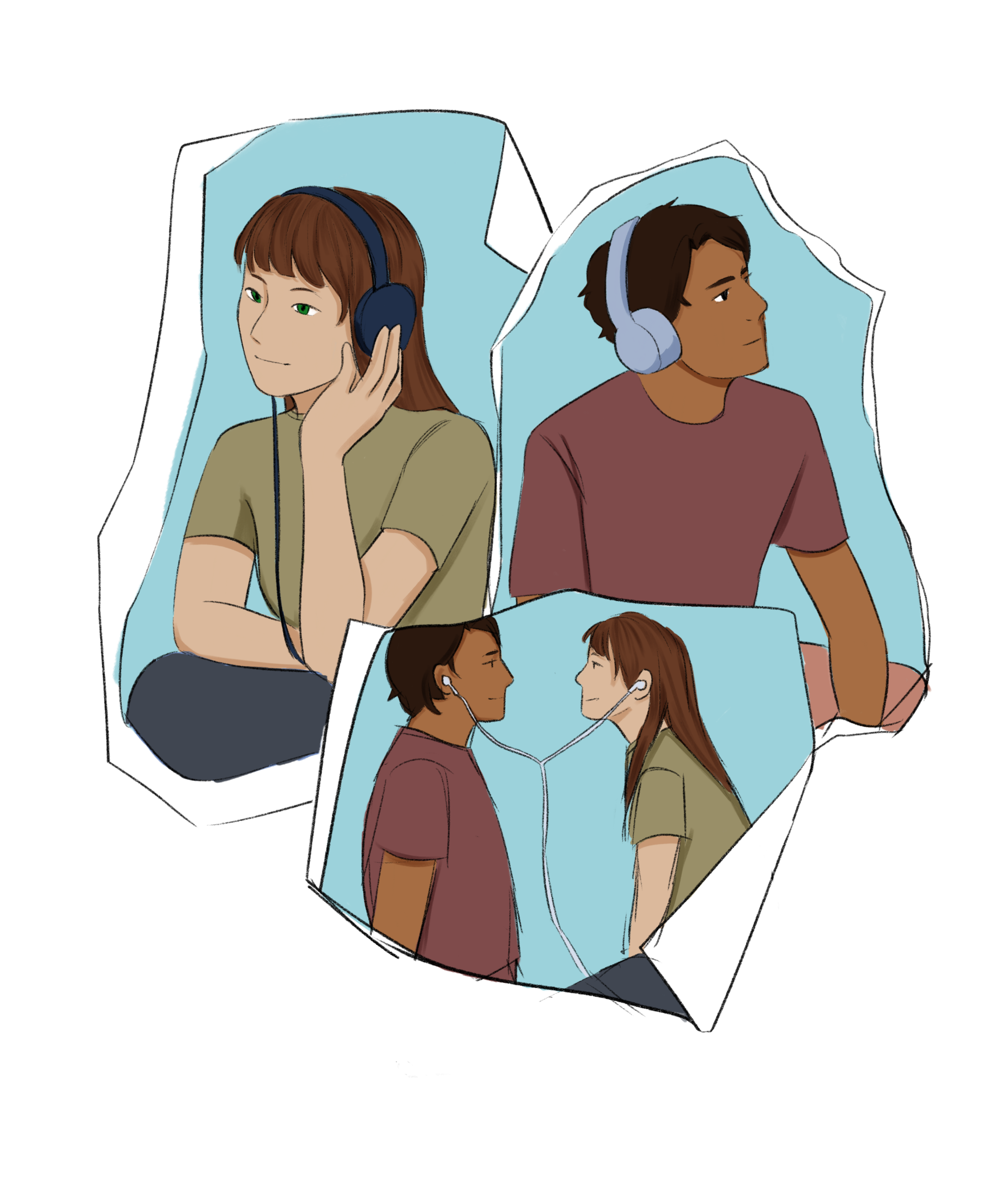
How do people form, maintain and experience meaningful relationships? Research suggests that many romantic relationships may not begin with a first date at all. Instead, they often grow out of friendship.
Jessica Cameron, a professor...
Former U of M professor makes curling breakthrough
By
Former U of M professor Gerry Sande has played a key role in the development of performance technology that has been used by Olympic and World Championship curling teams.
Curling is widely believed to be...