Research & Technology
Helping older adults meet their nutritional needs
By
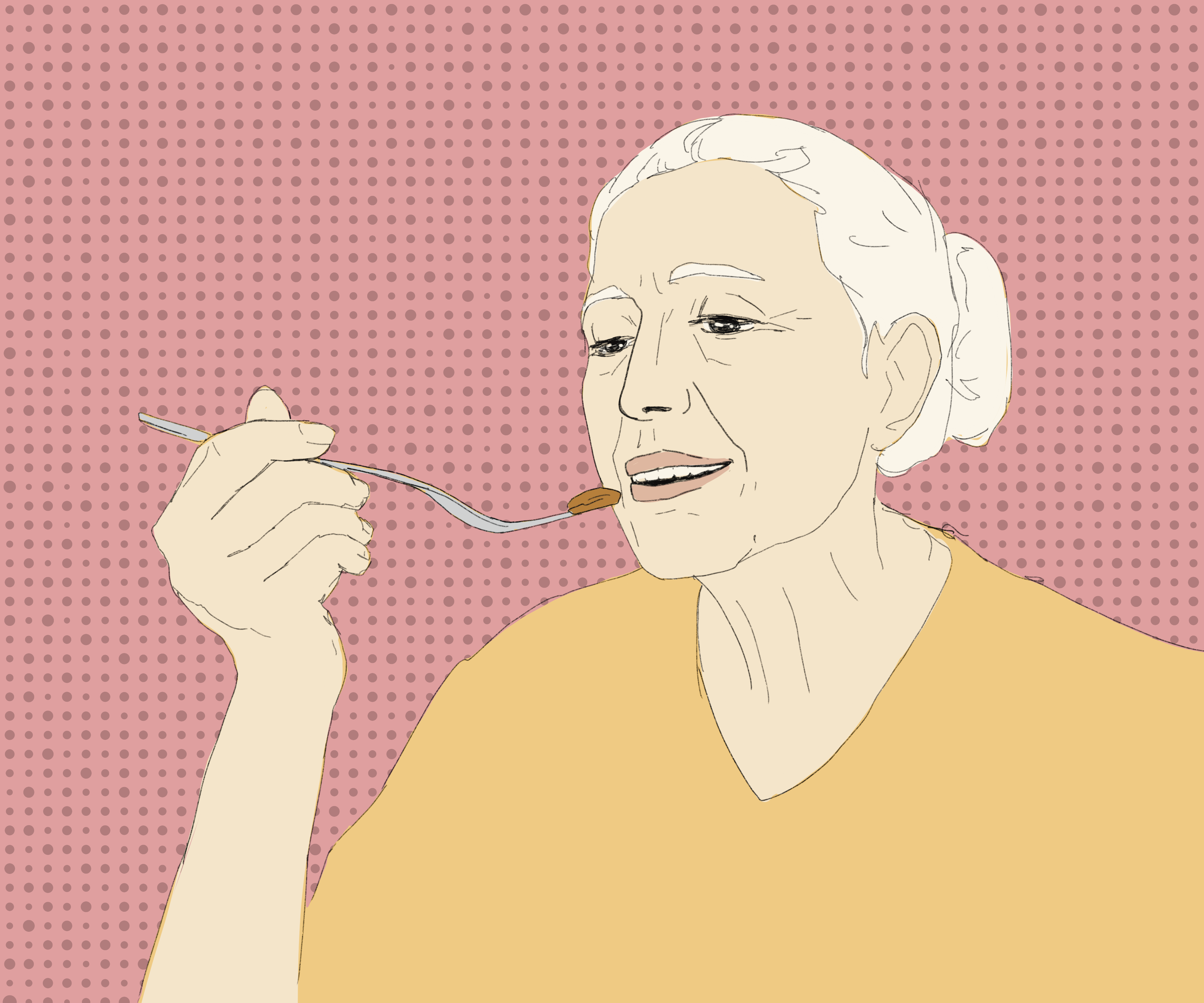
According to the American Geriatrics Society, more than half of older adults in hospitals or long-term care (LTC) homes experience malnutrition. Malnutrition includes both under- and over-nutrition and can result in health issues, functional...
Battling blood cancer
By
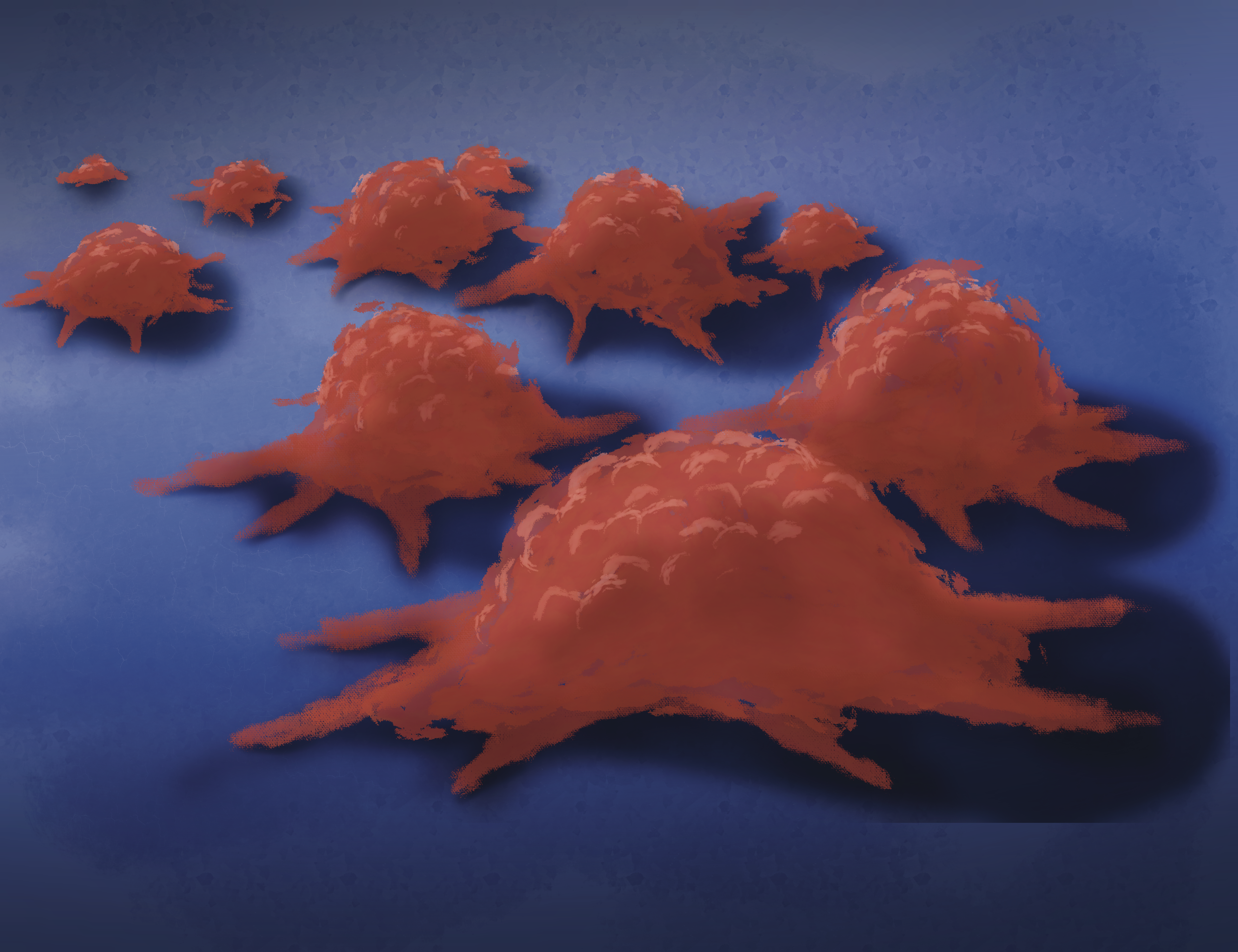
Over one million people worldwide are diagnosed with blood cancer every year, causing 720,000 deaths annually.
Blood cancers begin when cells in the bloodstream or bone marrow mutate, allowing them to multiply excessively and have...
Engineering meets medicine to tackle health challenges
By
Biomedical engineering combines engineering concepts with medical sciences to enhance human health through inventions such as better medical devices and diagnostic equipment.
Zahra Moussavi is a professor, a Canada research chair and former director of the...
Social robots designed to improve mental health
By
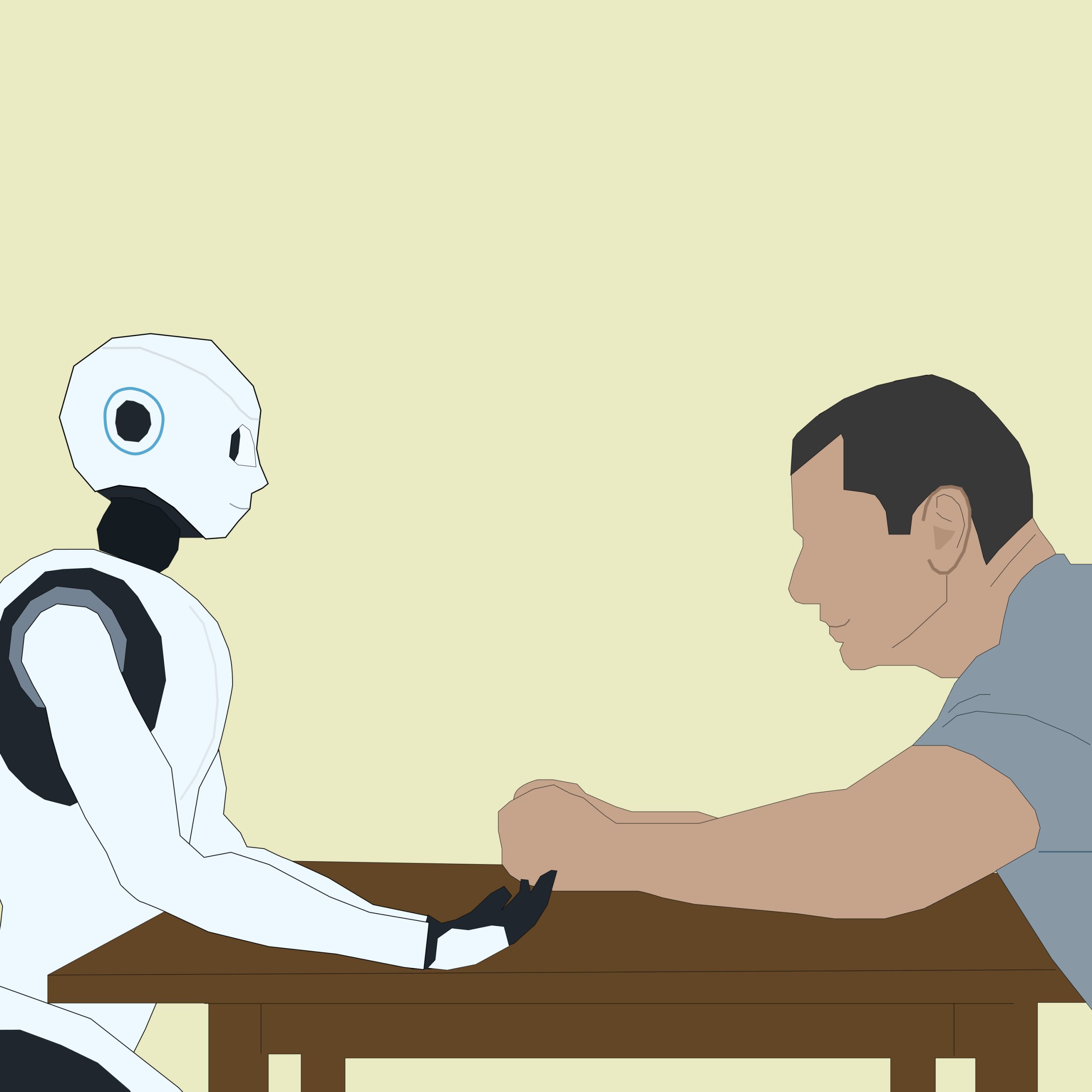
Imagine a future where robots are not only tools but also serve as companions in our daily lives, providing emotional support and enhancing well-being.
James Young is a professor in the U of M’s department...

Advancing maternal and infant health globally
By
Epidemiology is a branch of medicine that deals with the causes, frequency and pattern of diseases in a population. It examines how diseases can be tracked, predicted and prevented. Epidemiology is considered the foundation...

AI improves dynamic teamwork efficiency
By
Artificial intelligence (AI) is enhancing team collaboration by optimizing workflows, automating task management and providing real-time insights to improve decision-making in dynamic environments.
John Anderson is a professor in the U of M’s department of...
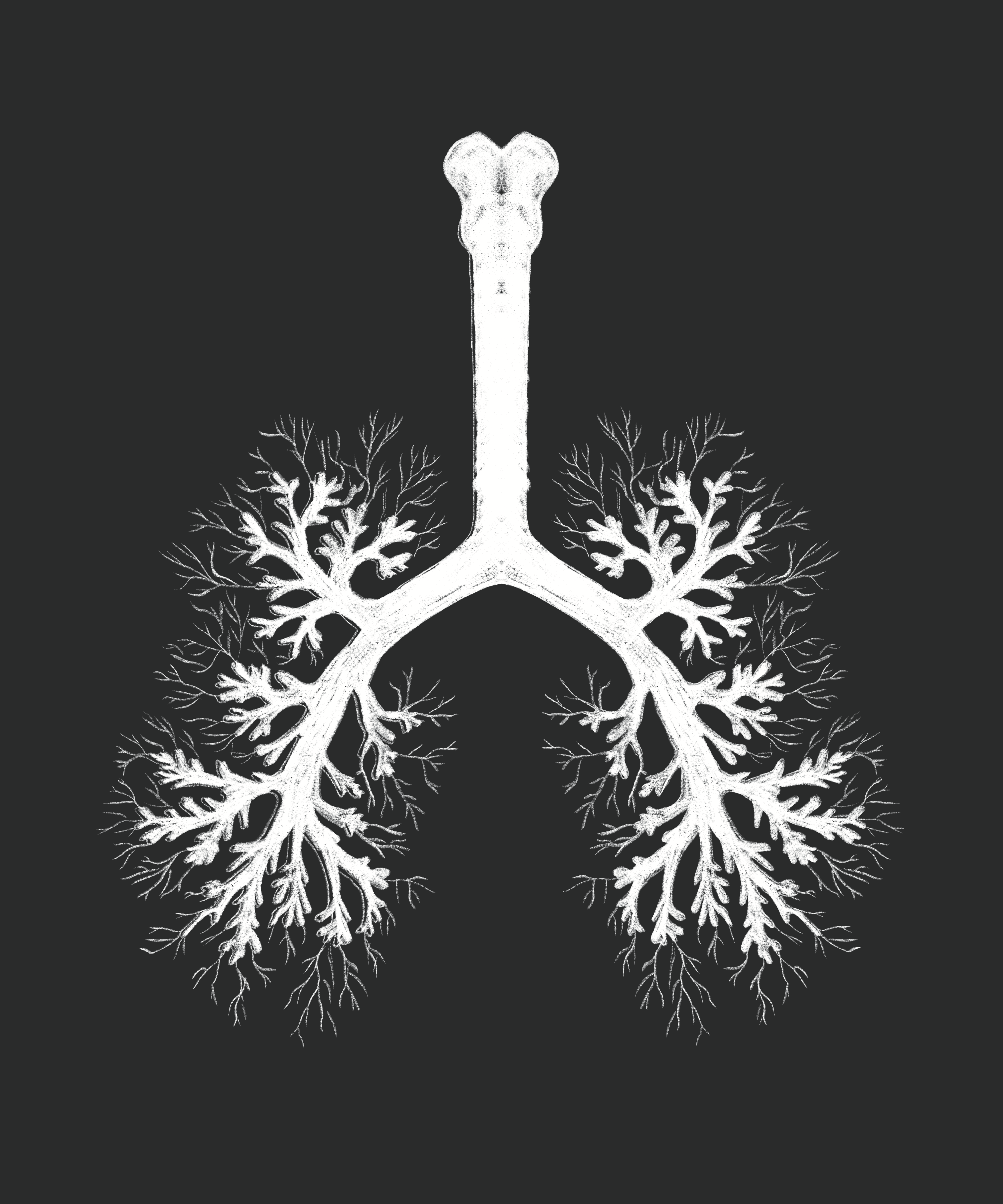
When babies can’t breathe
By
One in every 5,000 babies experience persistent pulmonary hypertension (PPHN), a lethal condition that occurs when they are unable to get enough oxygen after being born. It is one of the leading causes of...