Research & Technology
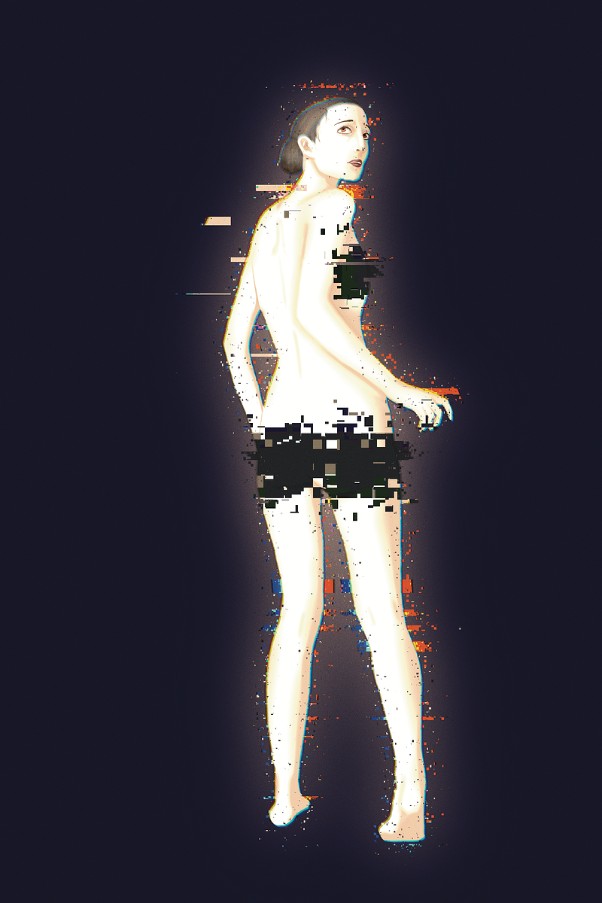
AI nudification tools present safety and privacy
By
An alarming rise in artificial intelligence (AI) intimate deepfakes has resulted in global backlash against chatbots and raised serious concerns over “nudification” applications. Elon Musk’s chatbot Grok has most recently been under fire for...
A closer look at early modern theatre
By
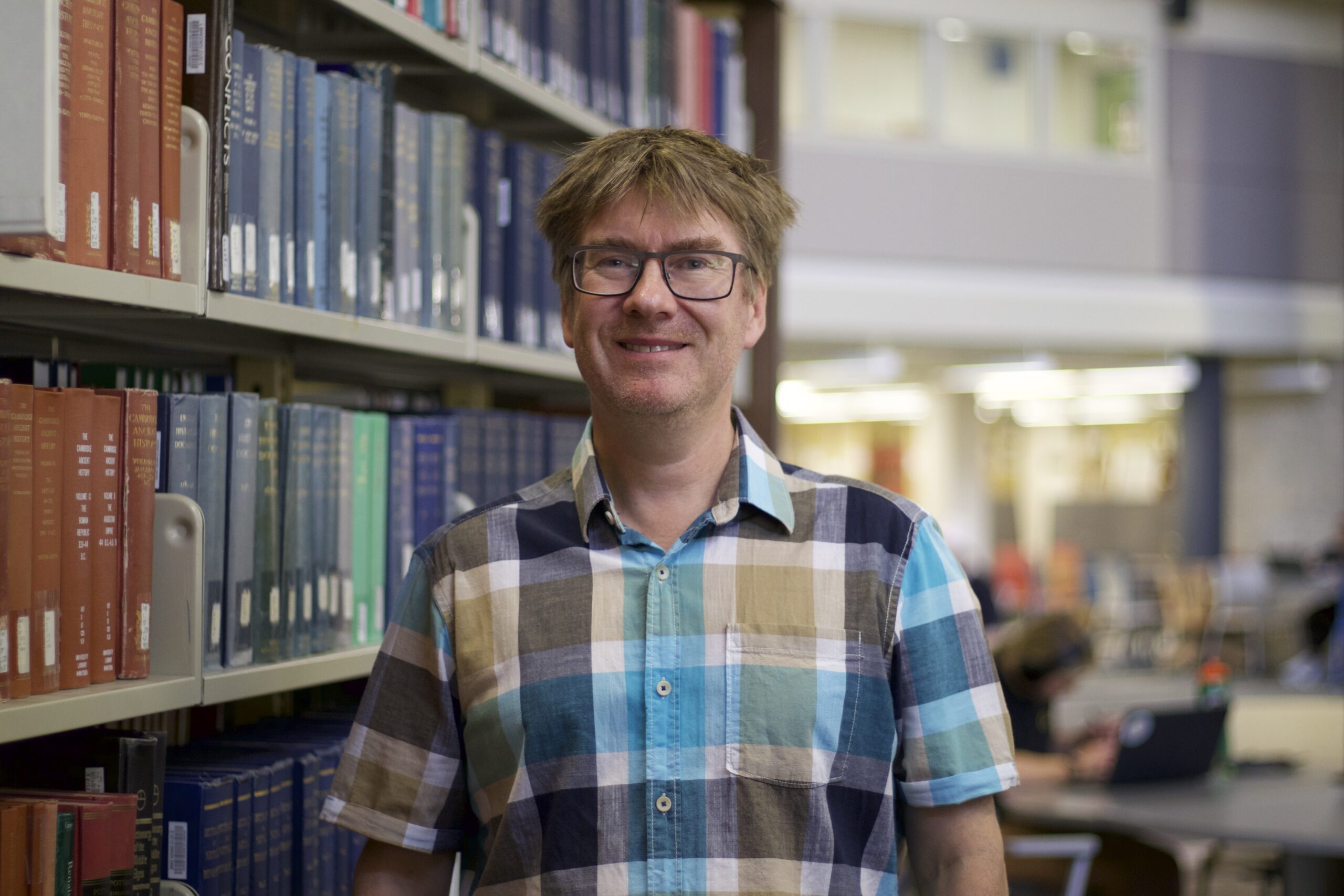
Glenn Clark is an associate professor in the department of english, theatre, film & media at the U of M. Clark’s research focuses on late-medieval through 17th-century English drama, with particular attention to Shakespeare...
The ‘wicked problem’ of AI in assessment
By
A new 2025 study reveals artificial intelligence (AI) use in assessments as a “wicked problem,” or a problem “that neat solutions,” forcing educators to redesign assessment styles.
Headed by Thomas Corbin, a research fellow...

Scaling mental health care across Manitoba
By
For Shay-Lee Bolton, mental health research is not just about generating data or testing theories. It is about building systems that work for people in their everyday lives.
Bolton is an associate professor in the...

Listening to the land’s stories
By
Warren Cariou, a professor in the department of english, theatre, film & media, has spent his career thinking about stories. Cariou focuses on where the stories come from, who carries them and how they...

From the picket line to the negotiating table
By
When images of feminist activism flash across our screens, they often follow a familiar script — protesters with placards in the streets, marching for legislative change. For Julia Smith, a U of M labour...

ChatGPT’s culpability in inducing AI psychosis
By
Artificial intelligence (AI)-induced psychosis is an emerging problem, with numerous reports of AI-induced psychotic episodes surfacing on the internet. Although no epidemiological studies of the effects of conversational generative AI on mental health have...