Research & Technology
The hidden world of bees and wasps
By
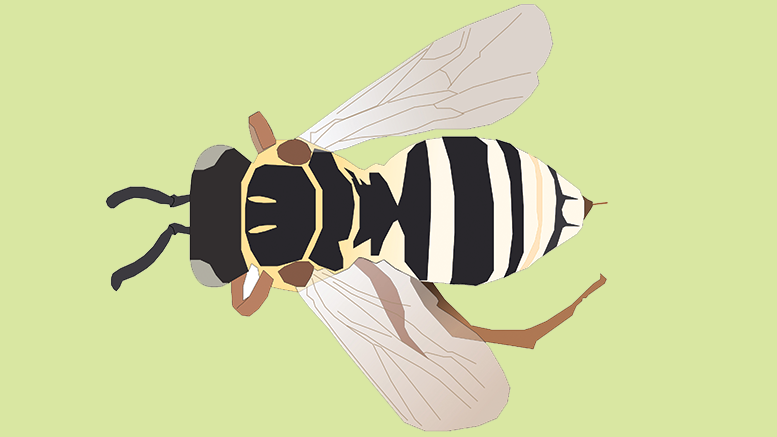
Epeolus gibbsi is a species of small, parasitic bee in a group commonly referred to as “cuckoo bees.” The infamous cuckoo birds lay their eggs in the nests of other bird species, duping them...
Using dental anthropology to understand humanity
By
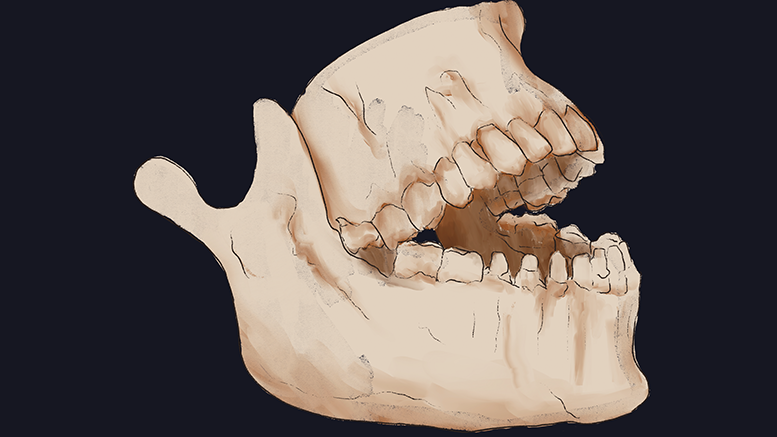
For decades, anthropologists have used teeth to answer questions about the lives and relationships of ancient and modern-day people. Dental anthropology is the study of the development, number, size, wear and pathology of teeth...
Challenging assumptions about aging
By
"We’re ignoring so many parts about aging if we just think of it as a health issue,” said Laura Funk, a professor in the U of M’s department of sociology and criminology whose work...
Proteins as nutritional tools
By
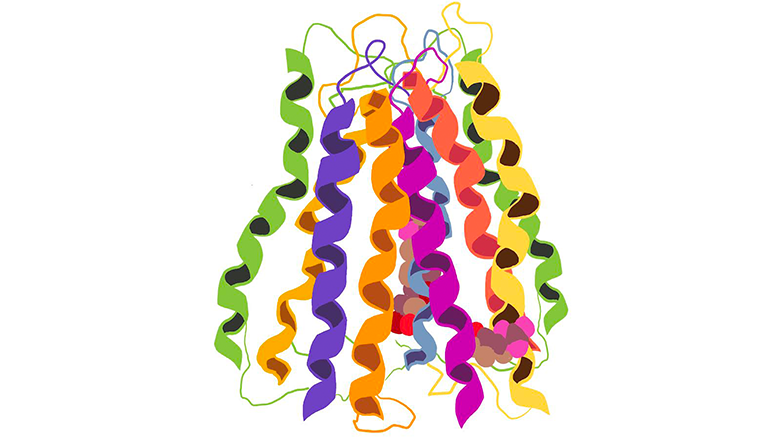
High blood pressure is a leading risk factor for heart disease and affects close to one in four Canadian adults. Cancer causes around a quarter of deaths annually. Alzheimer’s disease and other forms of...
Preventing rheumatoid arthritis
By
Rheumatoid arthritis is a chronic autoimmune disorder that occurs when the body’s immune system mistakenly attacks its own tissues, causing the lining of the joints to swell painfully. This can cause fatigue and pain....
Researching Rett syndrome
By
Rett syndrome is a rare neurological disorder that occurs in 1 out of every 10,000 female births. Infants with the syndrome generally develop normally for the first six months of their lives. Then, they...
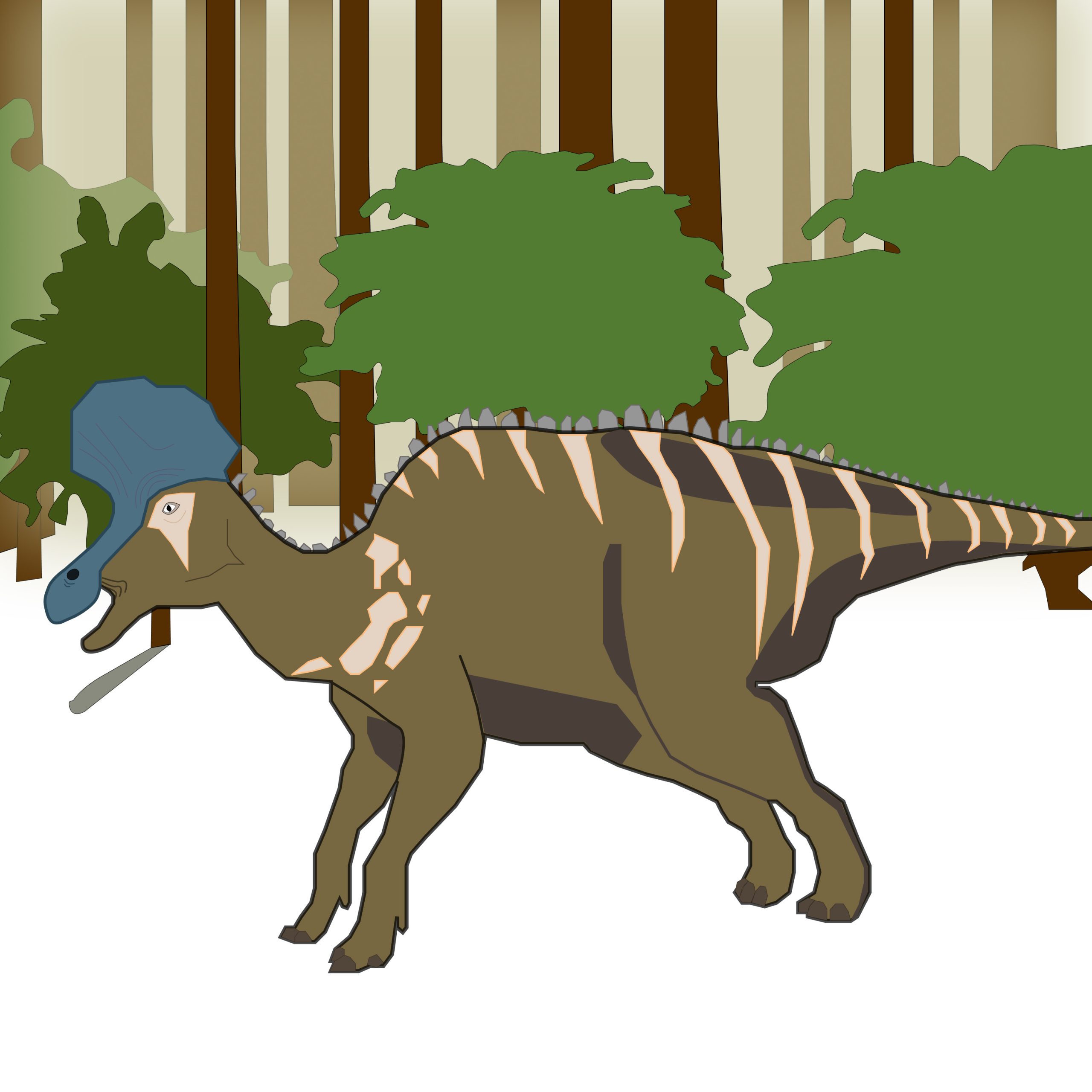
Diving into paleontology
By
As a child, Kirstin Brink loved dinosaurs.
Today, she is a vertebrate paleontologist and assistant professor in the U of M’s department of geological sciences. Her research involves studying living animal models to better understand...