Research & Technology
How ecotoxicology protects our water from pollutants
By
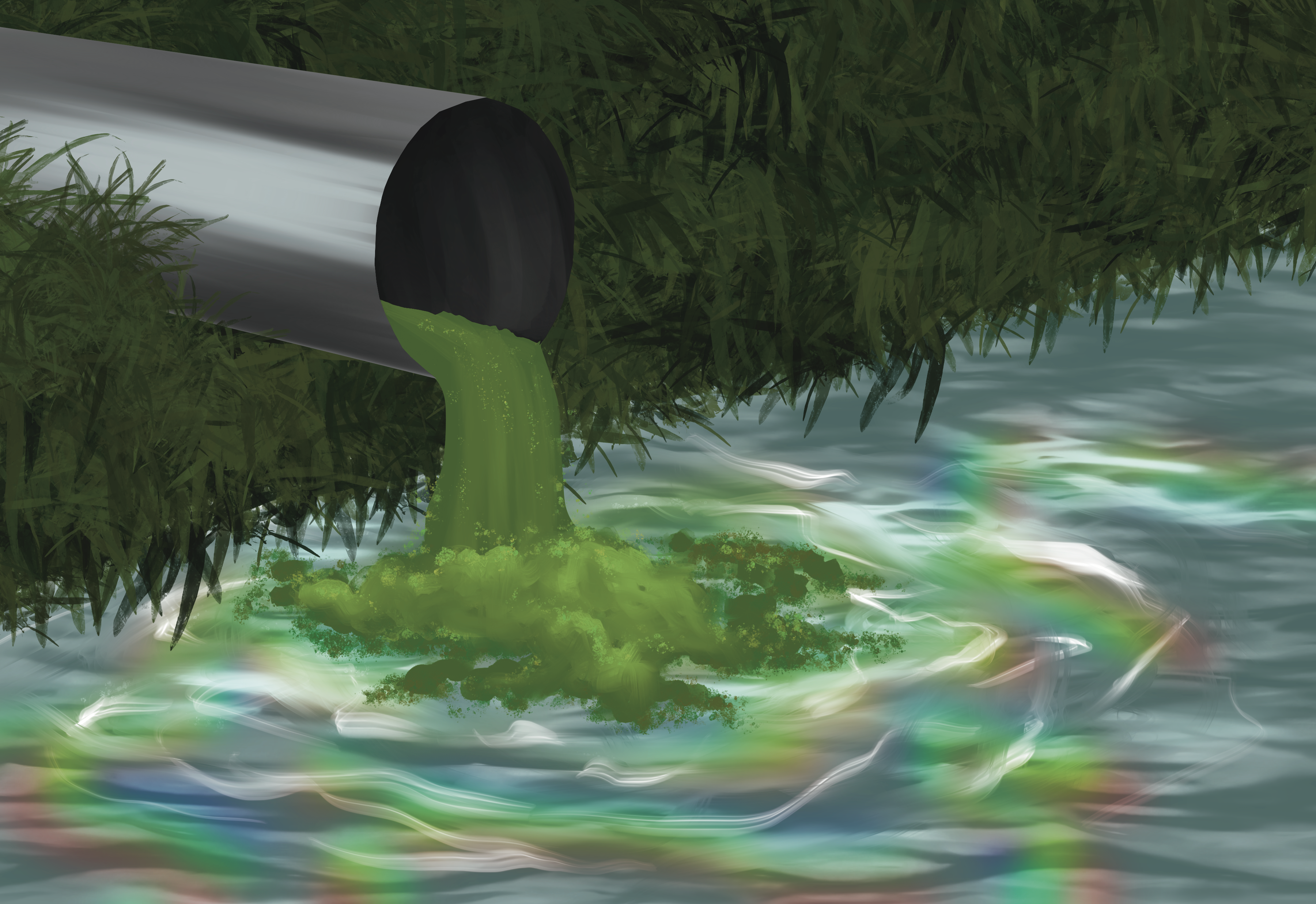
Ecotoxicologists investigate how toxic substances, such as pesticides and industrial chemicals, impact ecosystems. Their work integrates ecology, which studies the interactions between organisms and their environment, with toxicology, which focuses on the harmful effects...
Shaping the future of child safety education
By
Every day, children face a variety of potential threats that may compromise their safety, ranging from traffic accidents, to burn mishaps, to accidental firearm discharge.
“The onus is not on the child to keep themselves...

Reimagining aging
By
“In our culture, we’re taught to see older adults and aging as this problem that needs to be fixed,” said Corey Mackenzie, director of the U of M’s aging and mental health lab.
The lab...

Powering the future with renewable energy
By
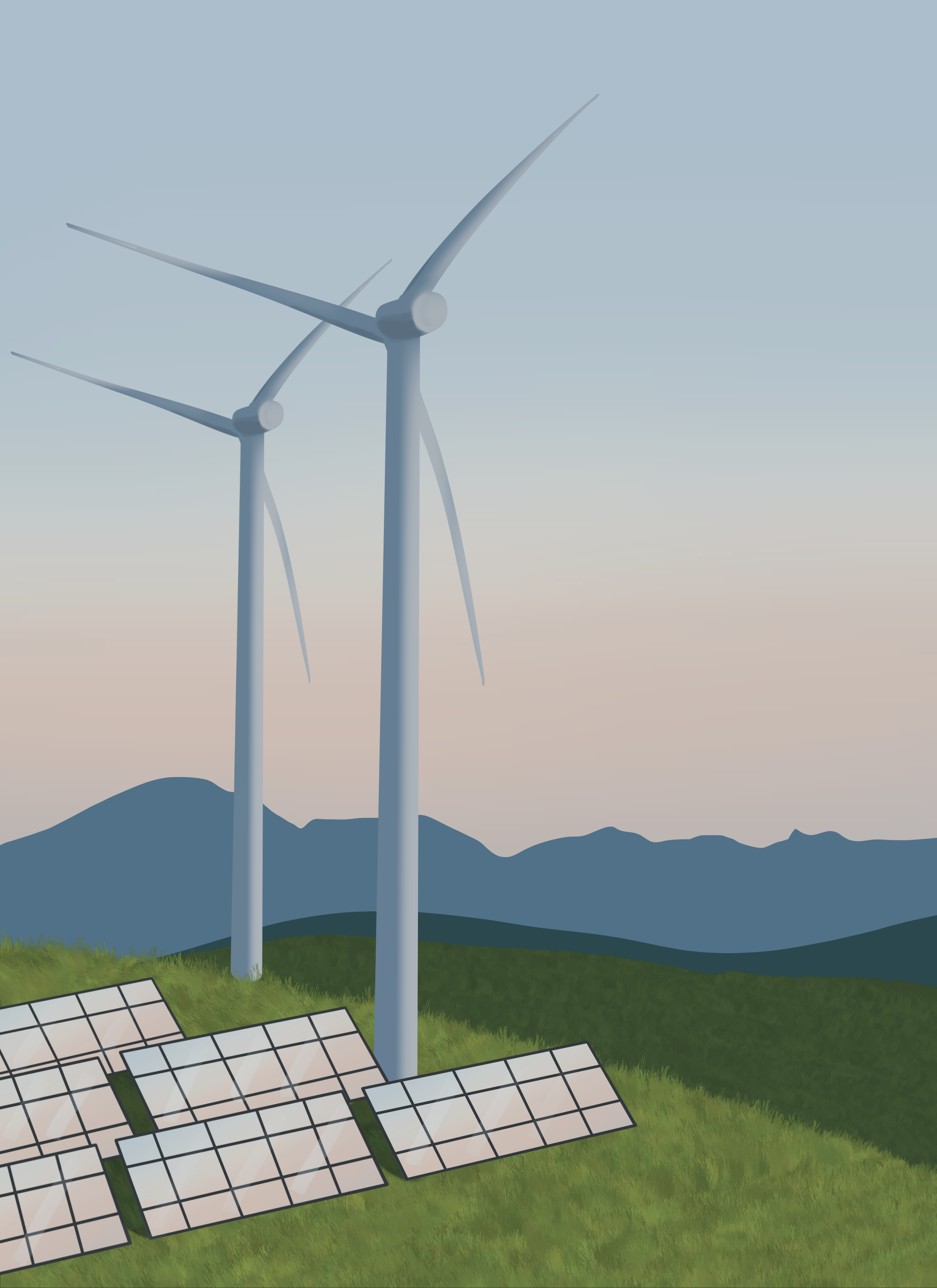
Renewable energy originates from natural processes that replenish themselves at a rate equal to or faster than their consumption. It encompasses various sources powered directly or indirectly by the sun or by heat from...
How genetics shape neurodevelopmental disorders
By
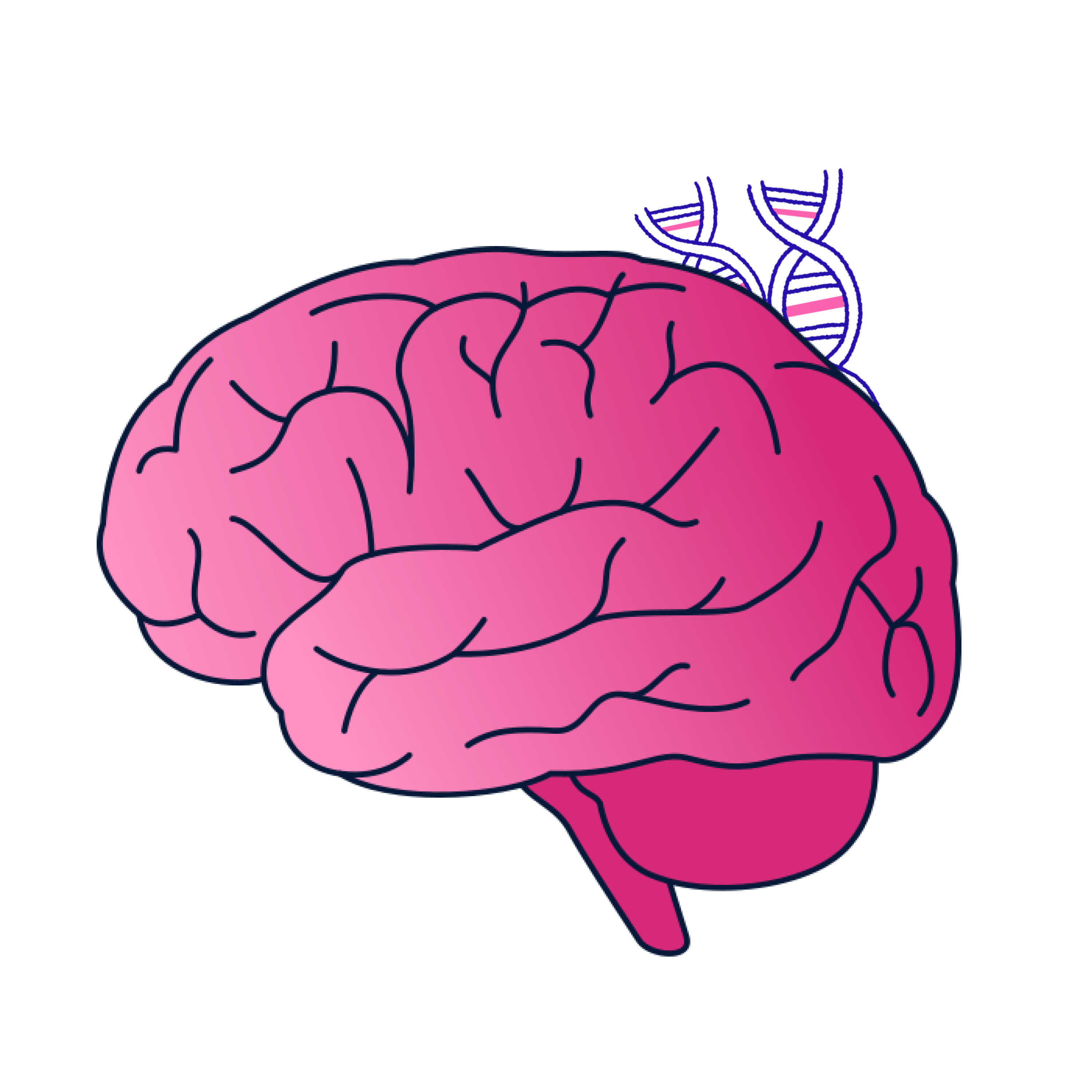
Robert Beattie is an assistant professor of biochemistry and medical genetics in the U of M’s Rady faculty of health science.
Beattie began his undergraduate studies in microbiology at U of M and later joined...
The science behind nuclear medicine
By
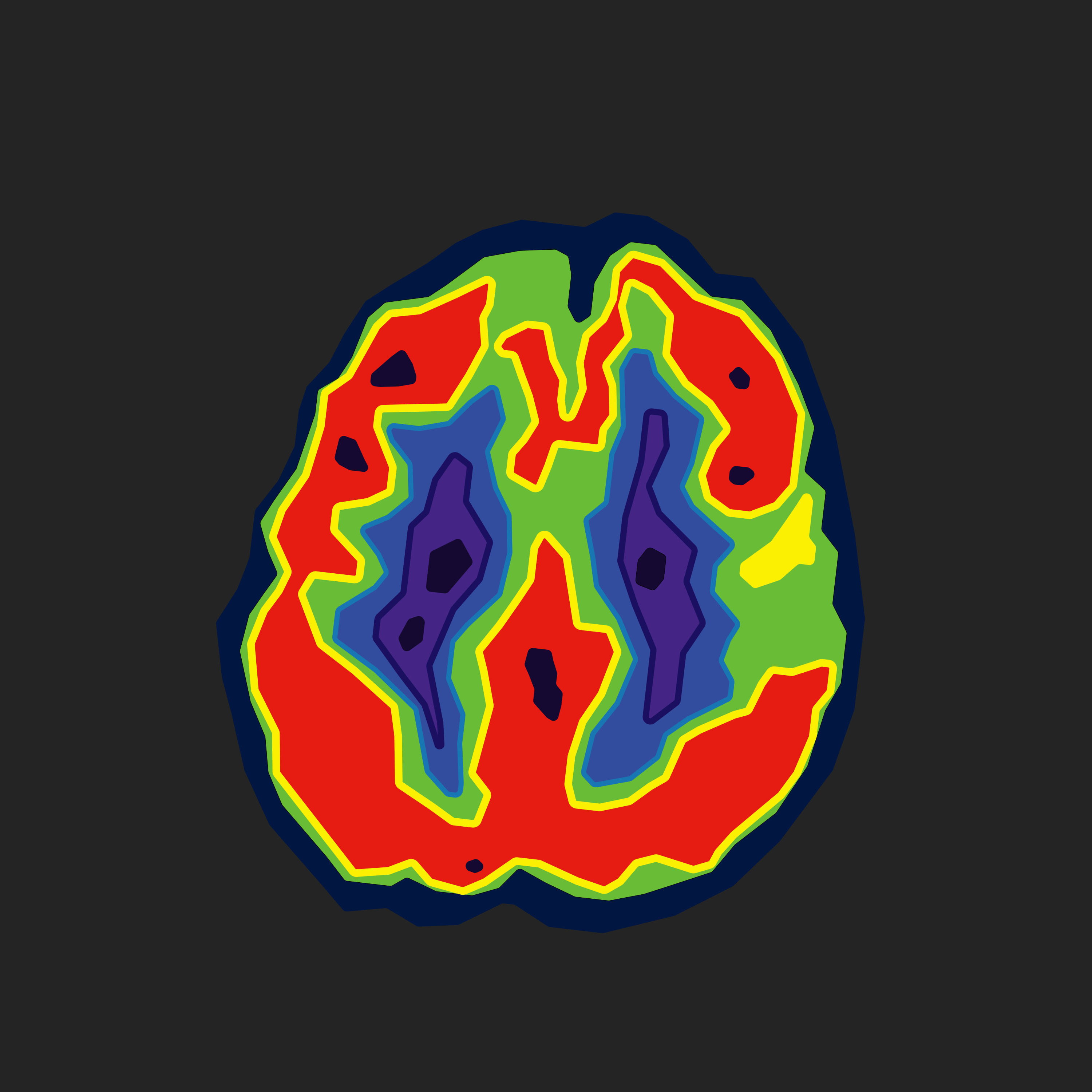
Nuclear medicine involves injecting patients with radioactive substances to create detailed images of their bodies. These images help doctors diagnose various medical conditions.
Sandor Demeter, former member of the Canadian Nuclear Safety Commission with two...
The future of secure data in blockchain and AI
By
A blockchain is a digital record-keeping system that is shared across many computers. It helps securely track transactions, ensuring no one changes past records unless everyone in the network agrees and updates all connected records.
Although...