Research & Technology
Early humans adapted to extreme deserts
By
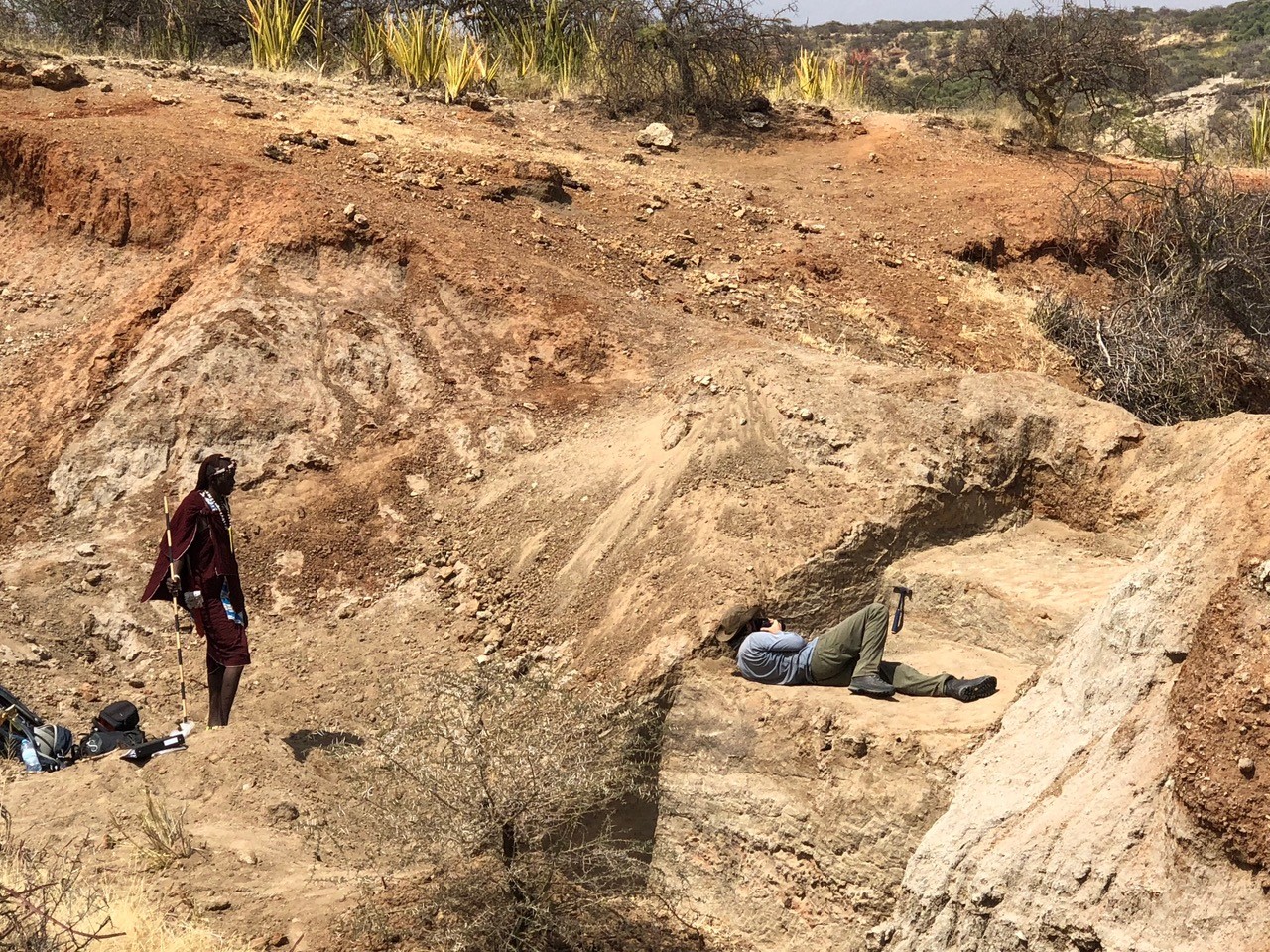
A study published in Communications Earth & Environment suggests that Homo erectus adapted to extreme desert conditions as early as 1.2 million years ago. Researchers found that early humans repeatedly returned to specific water sources...
At the intersection of race and aging
By
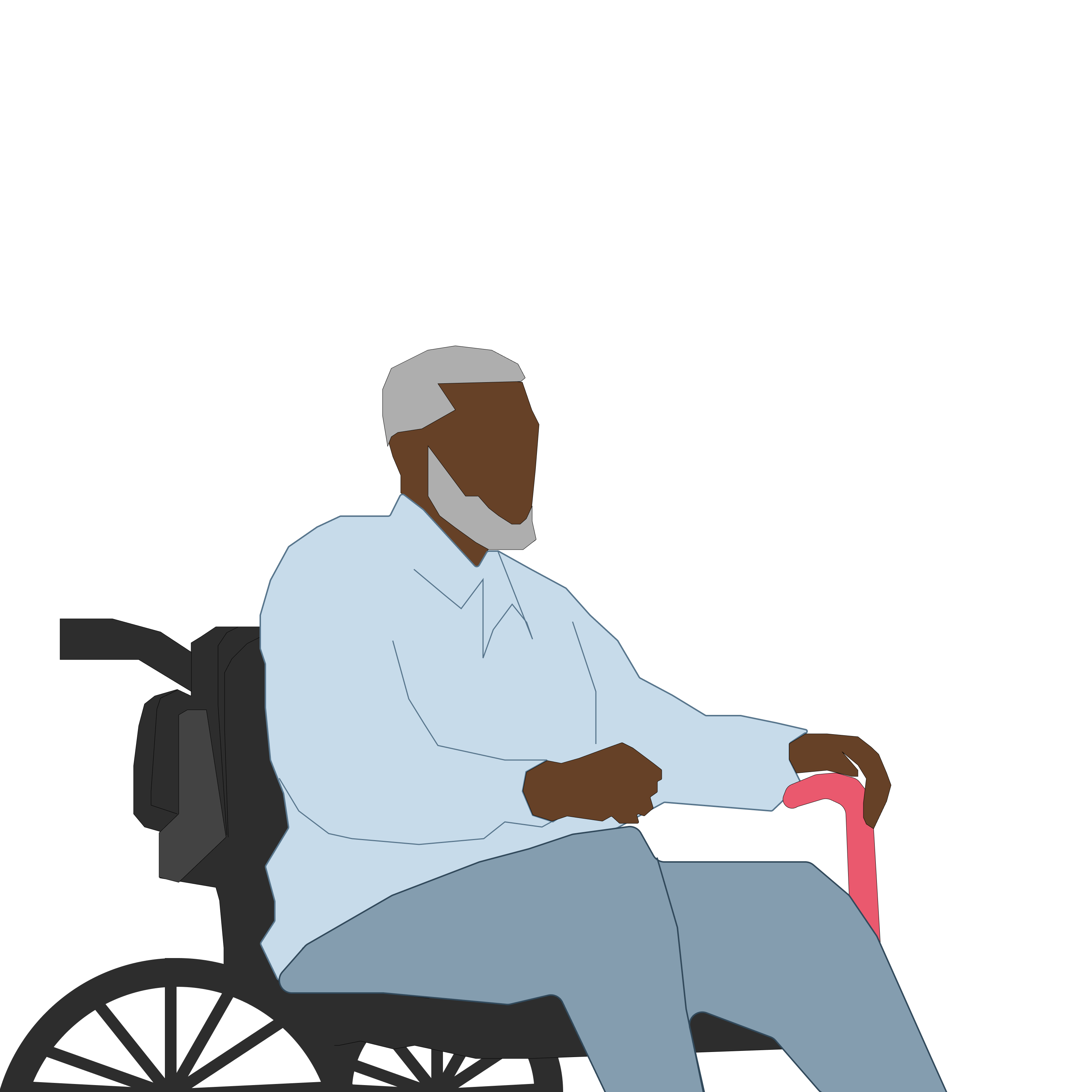
Social isolation and loneliness significantly affect older adults’ longevity, physical health, mental health and overall quality of life. Racialized older adults experience loneliness in unique ways, with Black older adults being nearly twice as...
Exploring climate change through ice core research
By
An international research team, including U of M professor Dorthe Dahl-Jensen, has achieved a remarkable milestone in a remote location in Antarctica. The team successfully drilled a 2,800-metre-long ice core, reaching the bedrock beneath...

The unseen aftermath of the pandemic
By
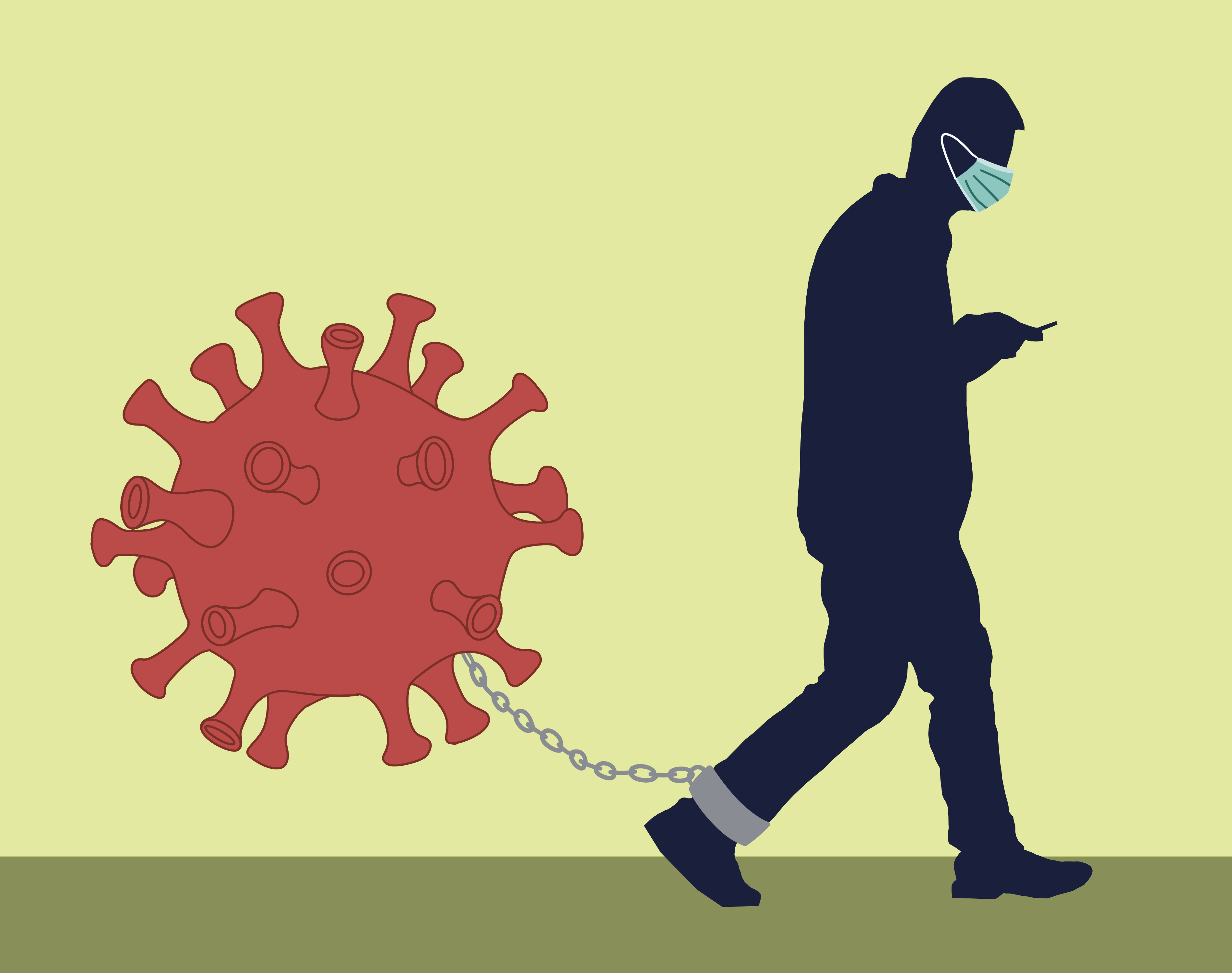
Long COVID is a condition where symptoms persist for weeks, months or even years after recovering from COVID-19. The symptoms, including chronic pain, brain fog, shortness of breath, chest pain and severe fatigue, can...
Improving soil health for sustainable agriculture
By
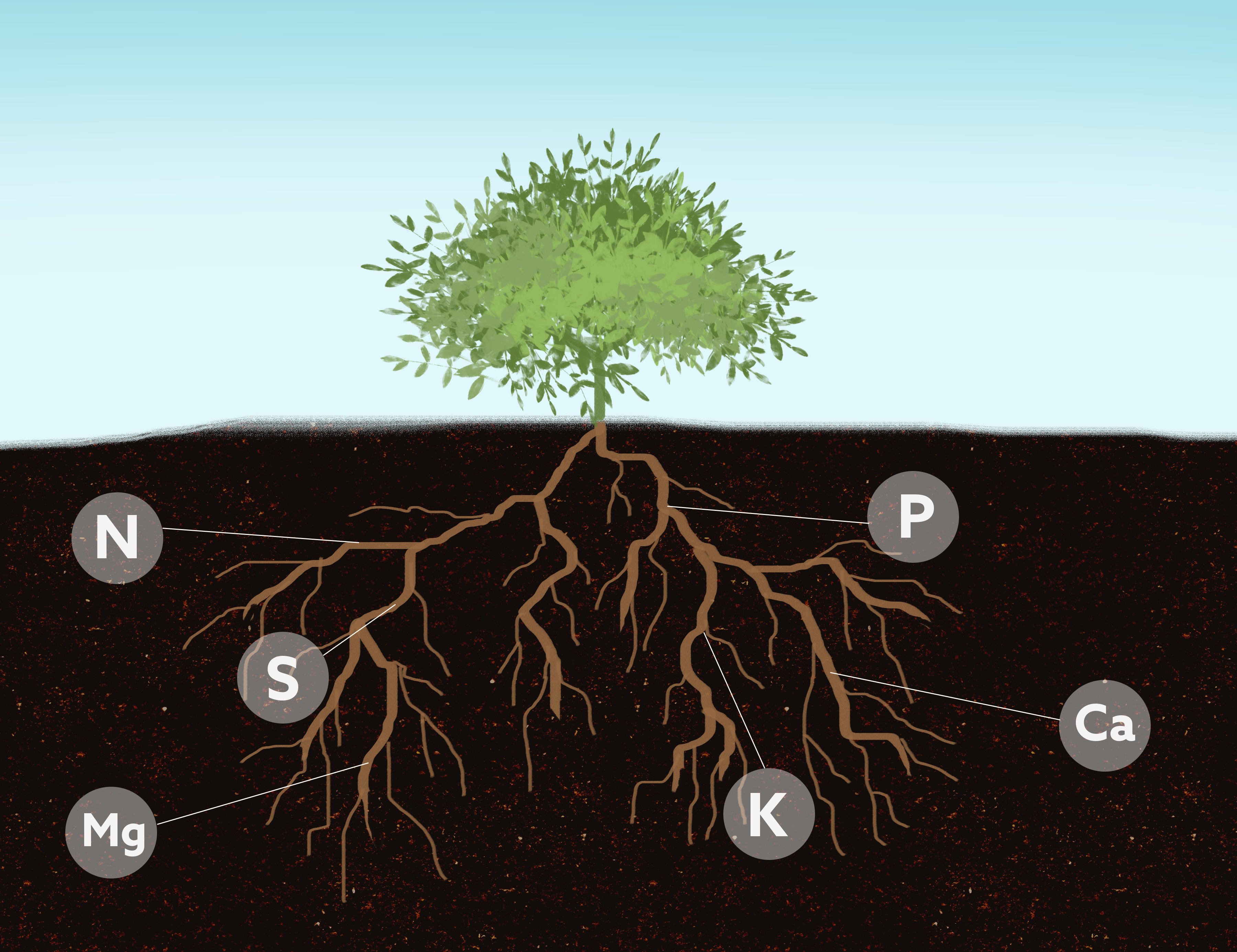
Mario Tenuta is a professor of soil science in the U of M’s faculty of agricultural and food sciences and senior industrial research chair in 4R nutrient management.
“It was very clear when I went...
Indigenous education at the U of M
By
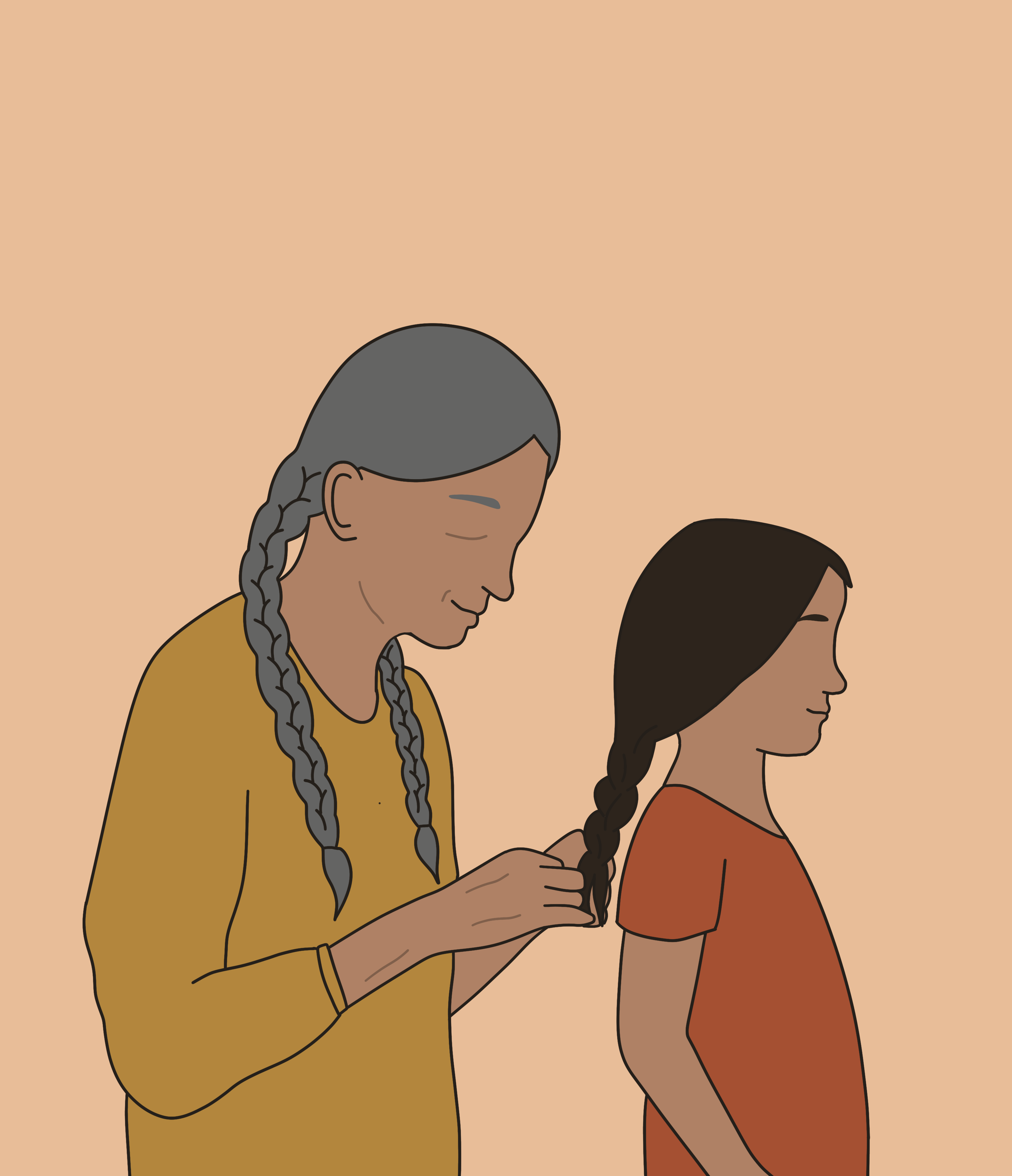
Frank Deer is a professor of Indigenous education at the U of M’s faculty of education.
“I am a schoolteacher by trade,” he said. “I taught elementary school in the far north of Manitoba as...
The lifelong burdens of child maltreatment
By
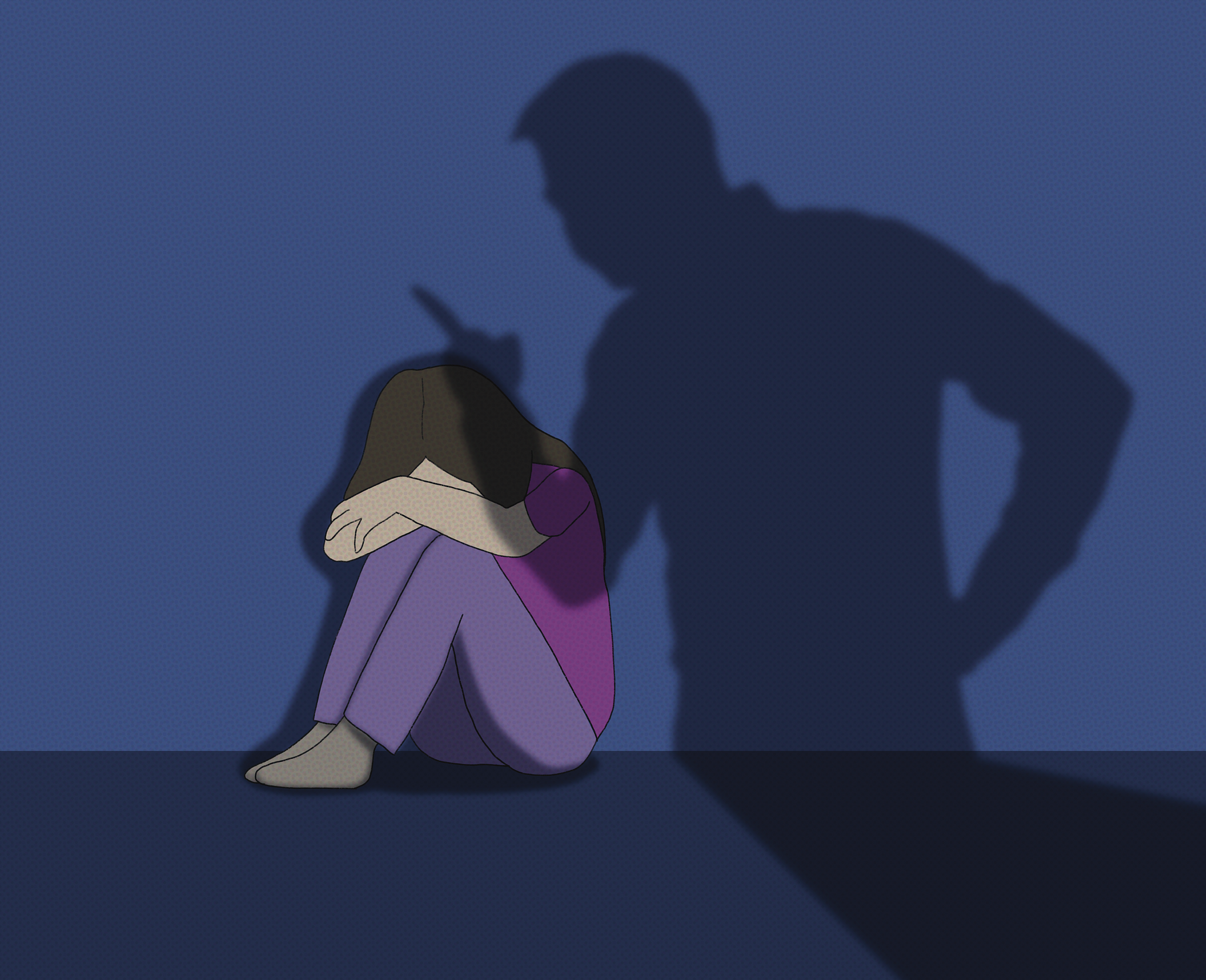
Child maltreatment is a widespread issue with severe and lasting consequences. According to the World Health Organization, six in 10 children under the age of five regularly suffer physical and psychological violence from parents...