Research & Technology
The Doomsday Clock inches ever closer to midnight
By
The Doomsday Clock is now 85 seconds to midnight, the closest it has ever been in its history. Created in 1947, the clock is set each year by the Bulletin of the Atomic Scientists’...
Turning waste into opportunity
By
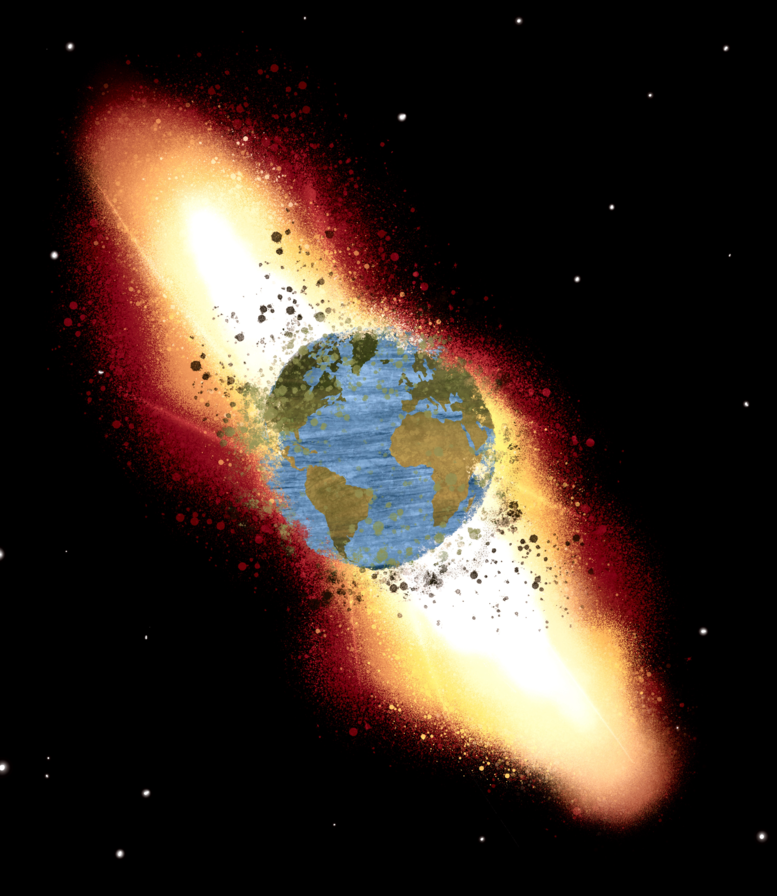
Warren Blunt is an assistant professor in the U of M’s department of biosystems engineering. Blunt’s research uses industrial biotechnology to convert agricultural waste into environmentally friendly products that could reduce dependence on non-renewable...
The Earth has entered a new era of water bankruptcy
By
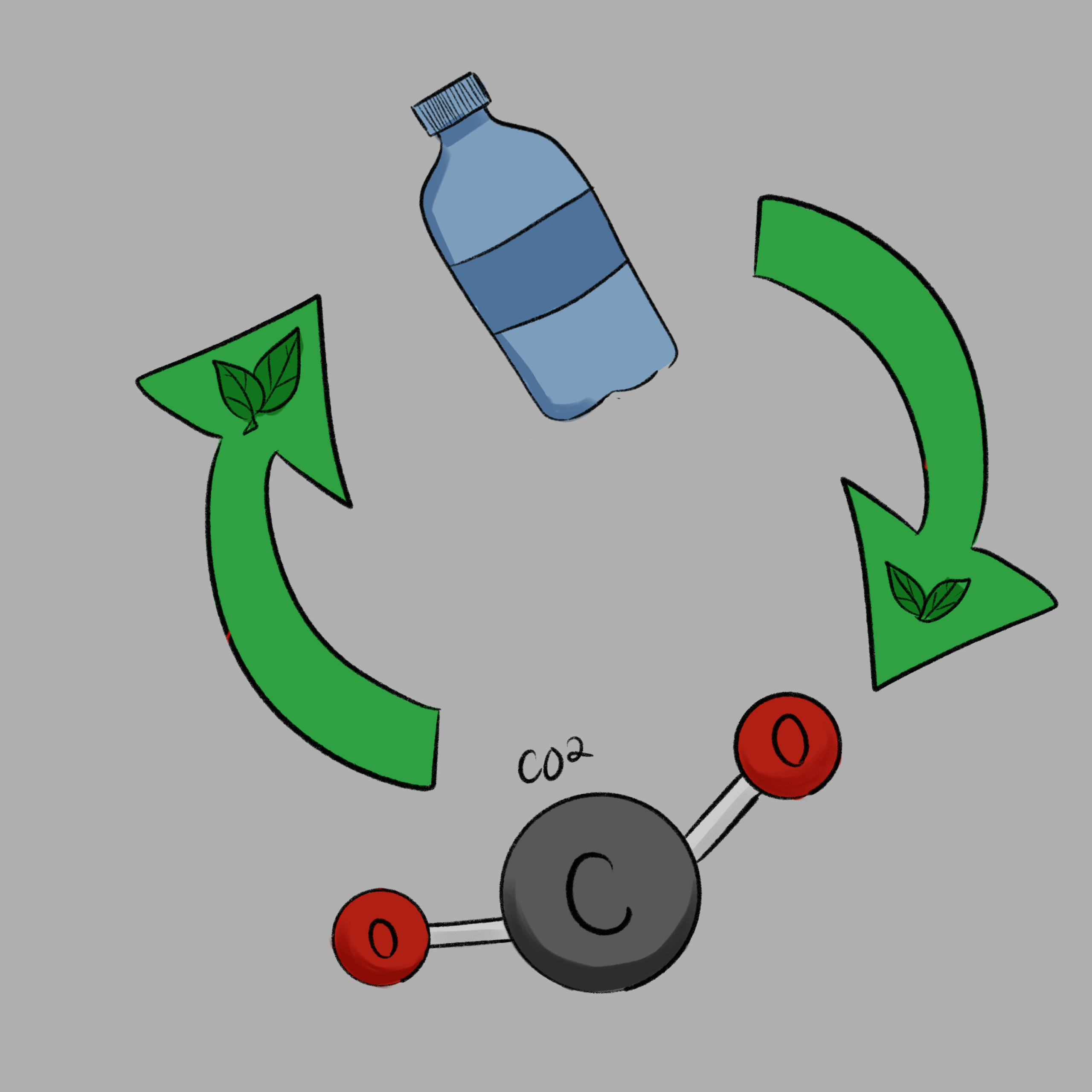
A new report from the United Nations University Institute for Water, Environment, and Health (UNU-INWEH) suggested that the globe has entered a new era of “water bankruptcy.” For the past four decades, the phrase “global...

Managing water for the future of prairie agriculture
By
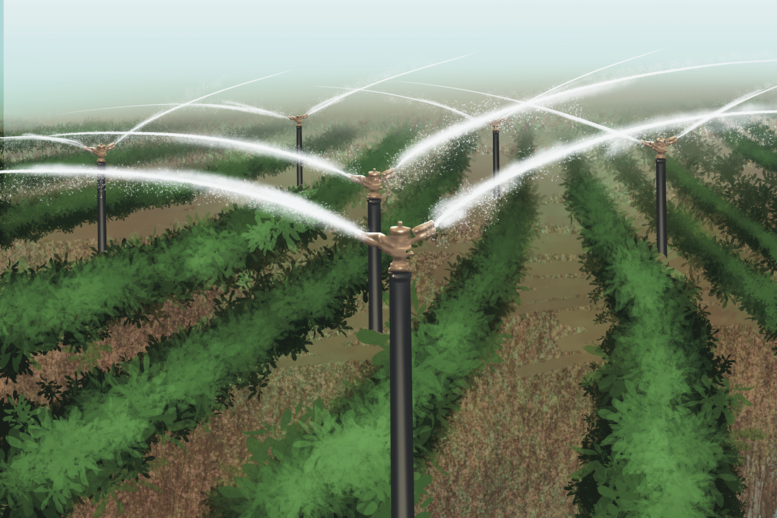
Ranjan R. Sri Ranjan is a professor and associate head (graduate) in the U of M department of biosystems engineering. Sri Ranjan believes that water management is at the centre of sustainable agriculture on...
Autonomy, intimacy and ethics in a changing world
By
At the centre of Neil McArthur’s research is a concern with autonomy. Through the study of sexuality, law and social artificial intelligence (AI), McArthur examines how individuals negotiate freedom, dignity and identity as social...

The death of fixed pricing
By
Despite the significant role price plays in consumers’ buying habits, dynamic pricing threatens to reshape how customers understand price.
Dynamic pricing, a strategy that adjusts prices to real-time demand, is not a new practice. Before...

The politics of pregnancy
By
For some, a nation’s borders demarcating jurisdictions serve as a symbol of national security. While it may be true that these heavily guarded boundaries provide a sense of safety for a nation’s citizens, they...