Research & Technology
AI improves dynamic teamwork efficiency
By
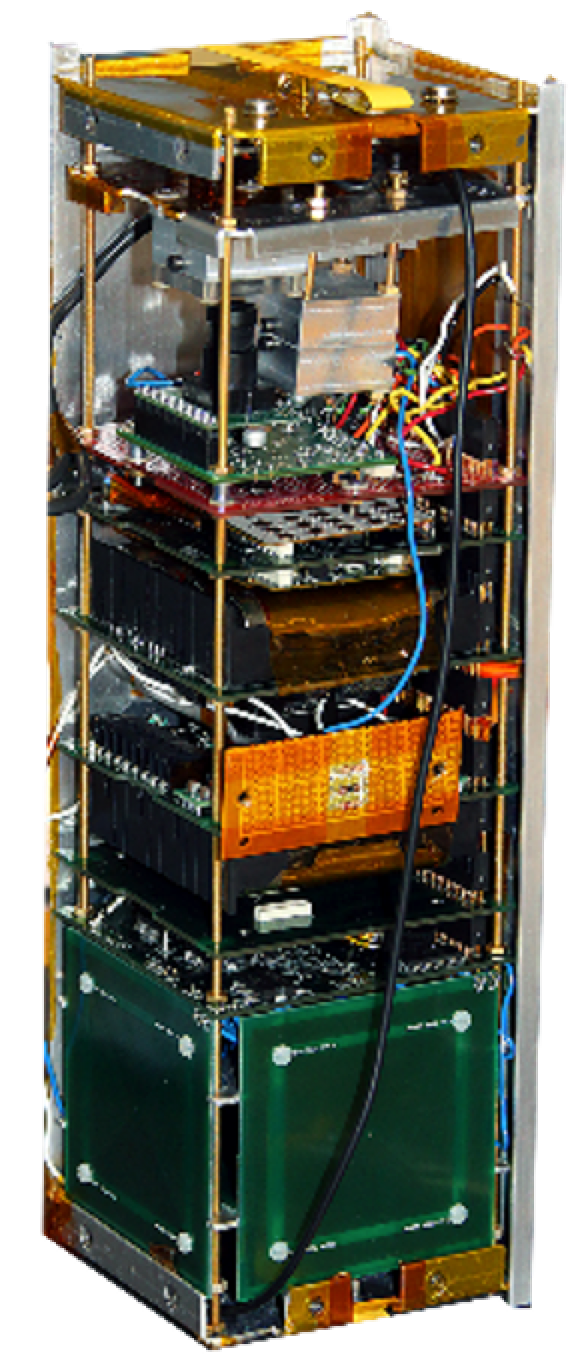
Artificial intelligence (AI) is enhancing team collaboration by optimizing workflows, automating task management and providing real-time insights to improve decision-making in dynamic environments.
John Anderson is a professor in the U of M’s department of...
When babies can’t breathe
By
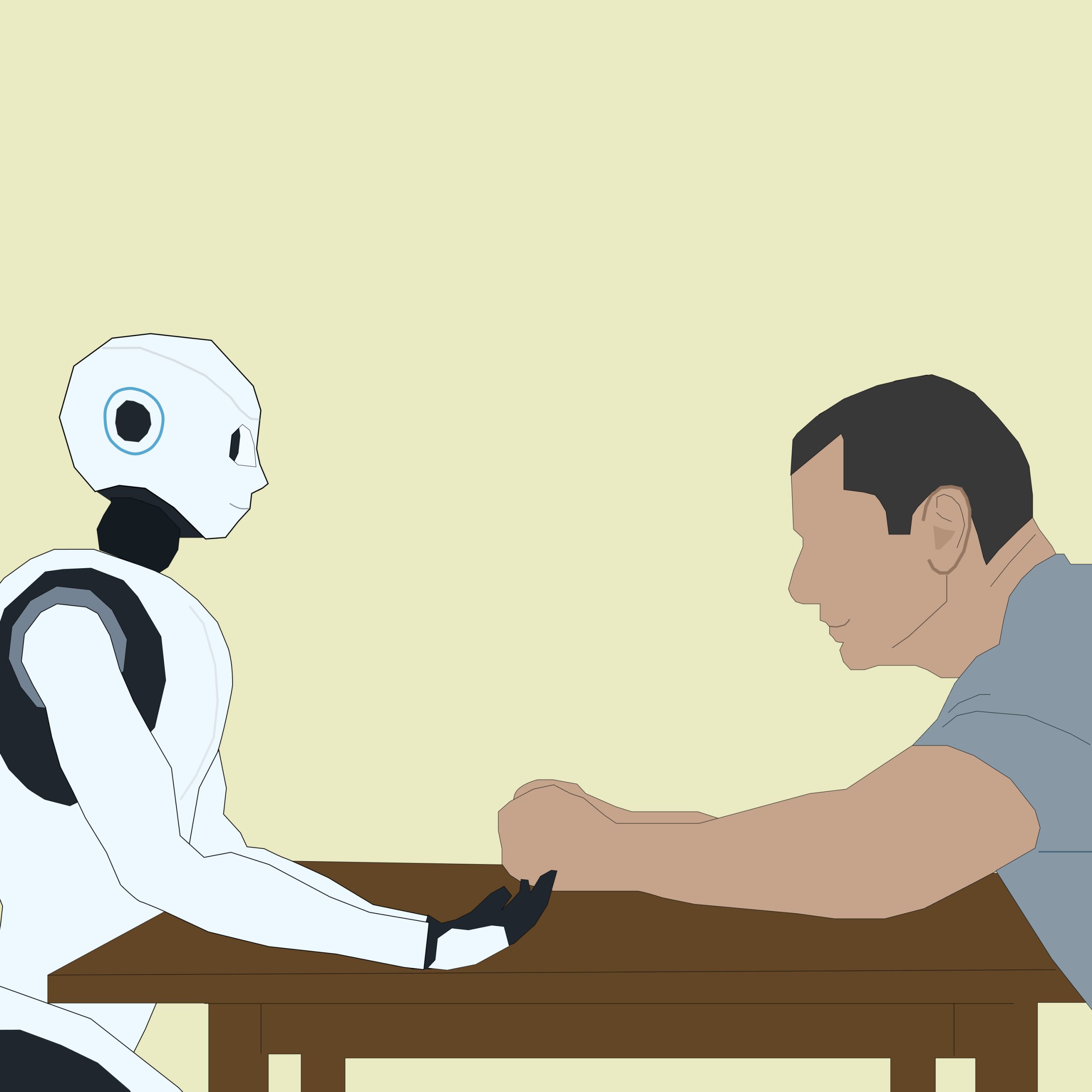
One in every 5,000 babies experience persistent pulmonary hypertension (PPHN), a lethal condition that occurs when they are unable to get enough oxygen after being born. It is one of the leading causes of...
Tiny magnets mimic brain cells for computers
By
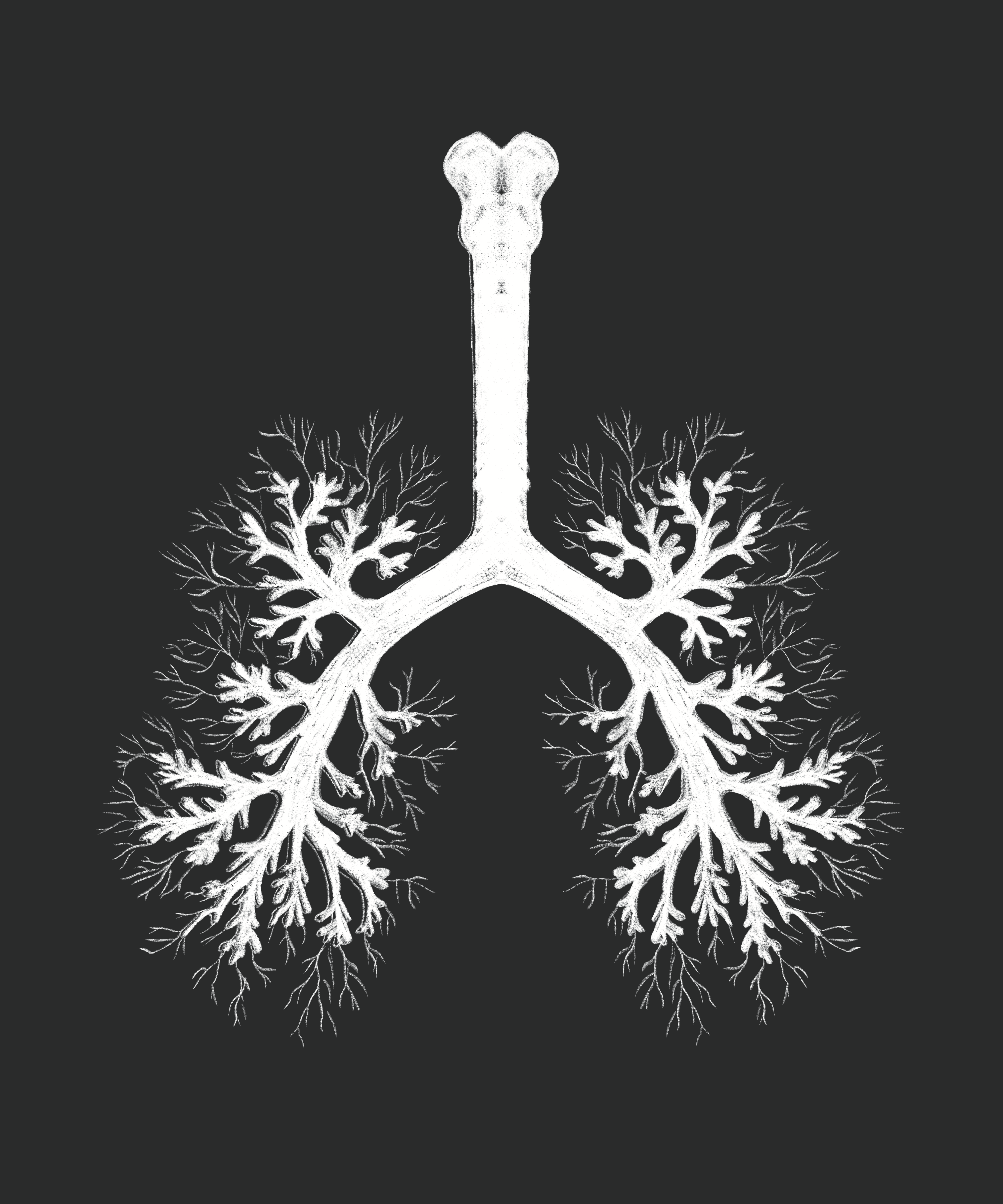
Recent research at the U of M explores how nano-magnets can simulate neural networks, potentially transforming computer efficiency and reducing energy consumption.
Robert Stamps is a professor and head of the department of physics and...
Supporting the Deaf community
By
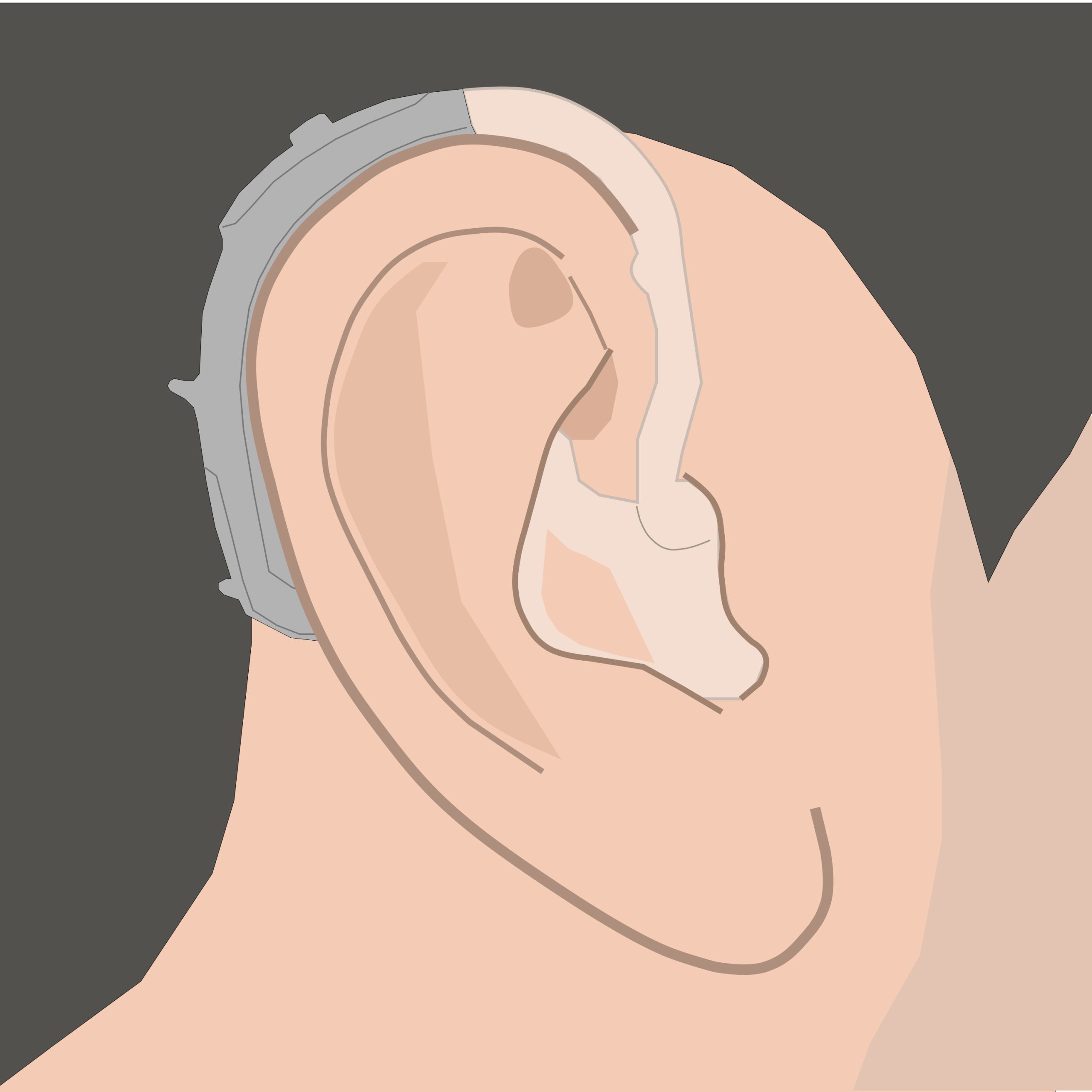
Sixty per cent of Canadian adults have hearing problems and many are unaware of it. Approximately 382,700 are deaf, with another 3,827,000 being hard of hearing. Others have high-frequency hearing loss and/or tinnitus, a...
The brain, the placenta and cells that birth other cells
By
Lei Xing had always been fascinated by the human brain.
Initially, his desire to understand the inner workings of the brain led him to medical school to become a medical doctor. When he ultimately changed...
Arctic freshwater impacts carbon exchange
By
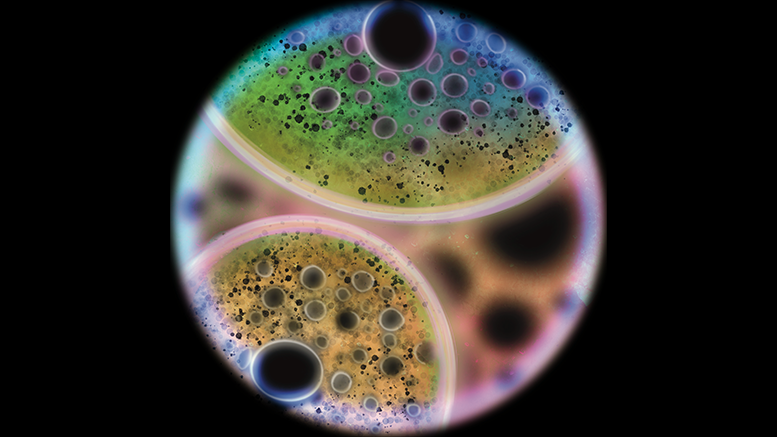
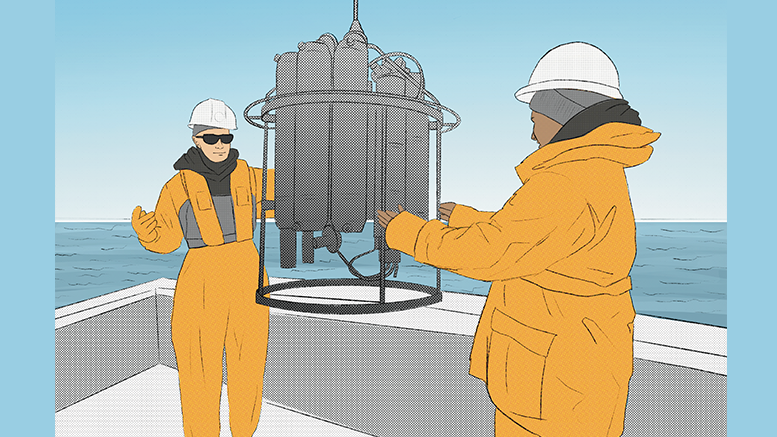
As the Arctic warms at an unprecedented rate, it is important to understand how increased freshwater influx impacts the carbon dioxide exchange between the ocean and climate.
Kristina Brown is an assistant professor of environment and...
Digital twins are shaping the future of education
By
The exponential growth of knowledge in the present world poses a significant challenge for human adaptation and learning.
Witold Kinsner is a professor of electronics and computer engineering at the U of M. His journey...