Exclusive articles:
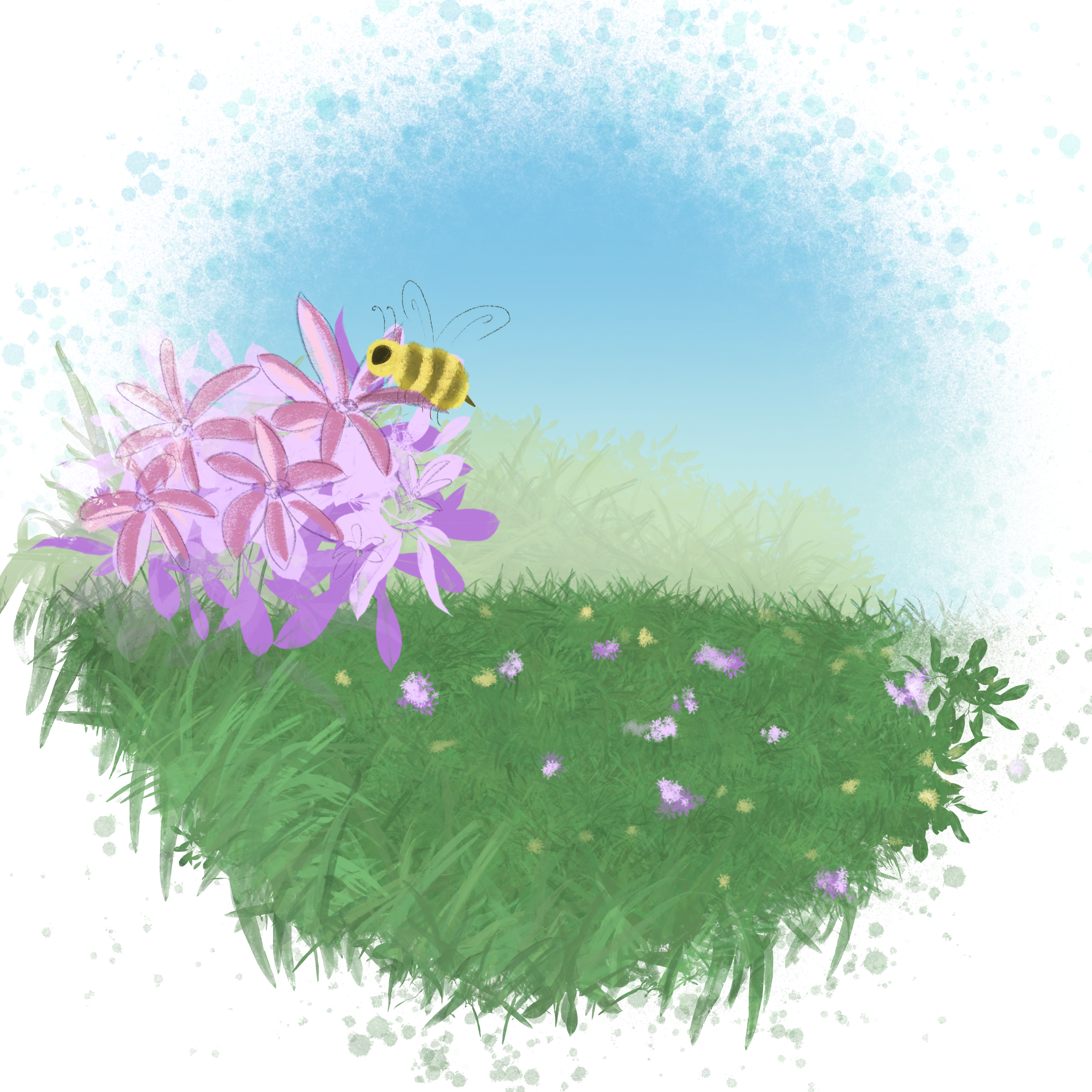
Team discovers new sweat bee species in the Prairies
By
Back in 2017, Jason Gibbs and his wife — who were newcomers to Manitoba at the time — went to Spruce Woods Provincial Park to collect bees.
While analyzing the collected samples in his lab,...
Unveiling the world of sports psychology
By
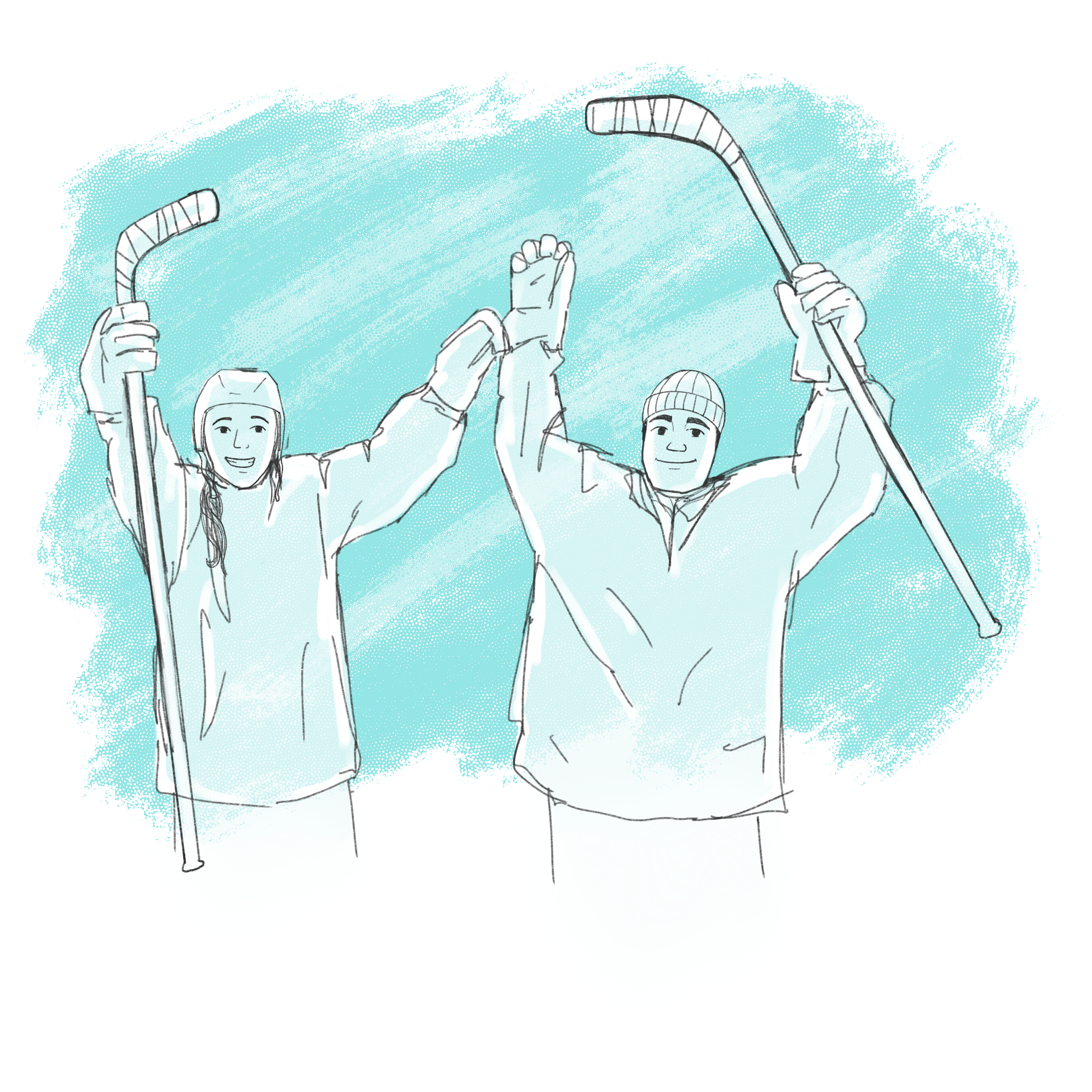
Why do athletes sometimes thrive and sometimes don’t? Why are sports fans sometimes engaged and happy and sometimes not?
This is what drives Ben Schellenberg, assistant professor in the faculty of kinesiology and recreation management.
“These...
Inside the U of M’s Village Lab
By
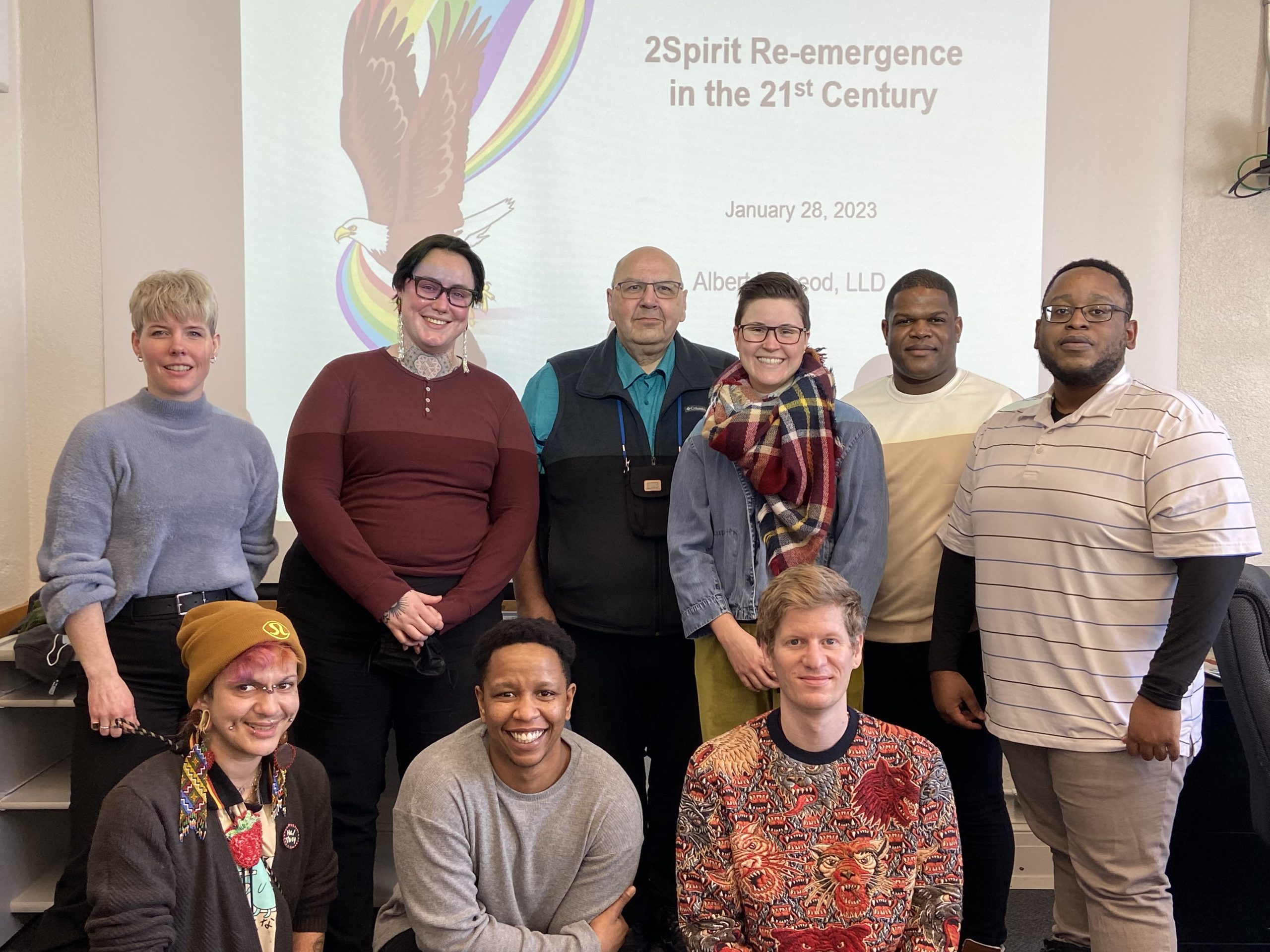
Gigii-bapiimin is an Ojibwe language term meaning, “we survived.”
It is an expression that reflects the resilience and strength of Indigenous people.
The Gigii-Bapiimin study, launched by the Village Lab — U of M’s faculty of...
Project to examine period poverty across U of M campuses
By
Periods are a fact of life.
They are a basic human biological function for nearly half the world’s population.
However, many individuals face challenges in accessing basic necessities to manage menstruation due to financial or other...

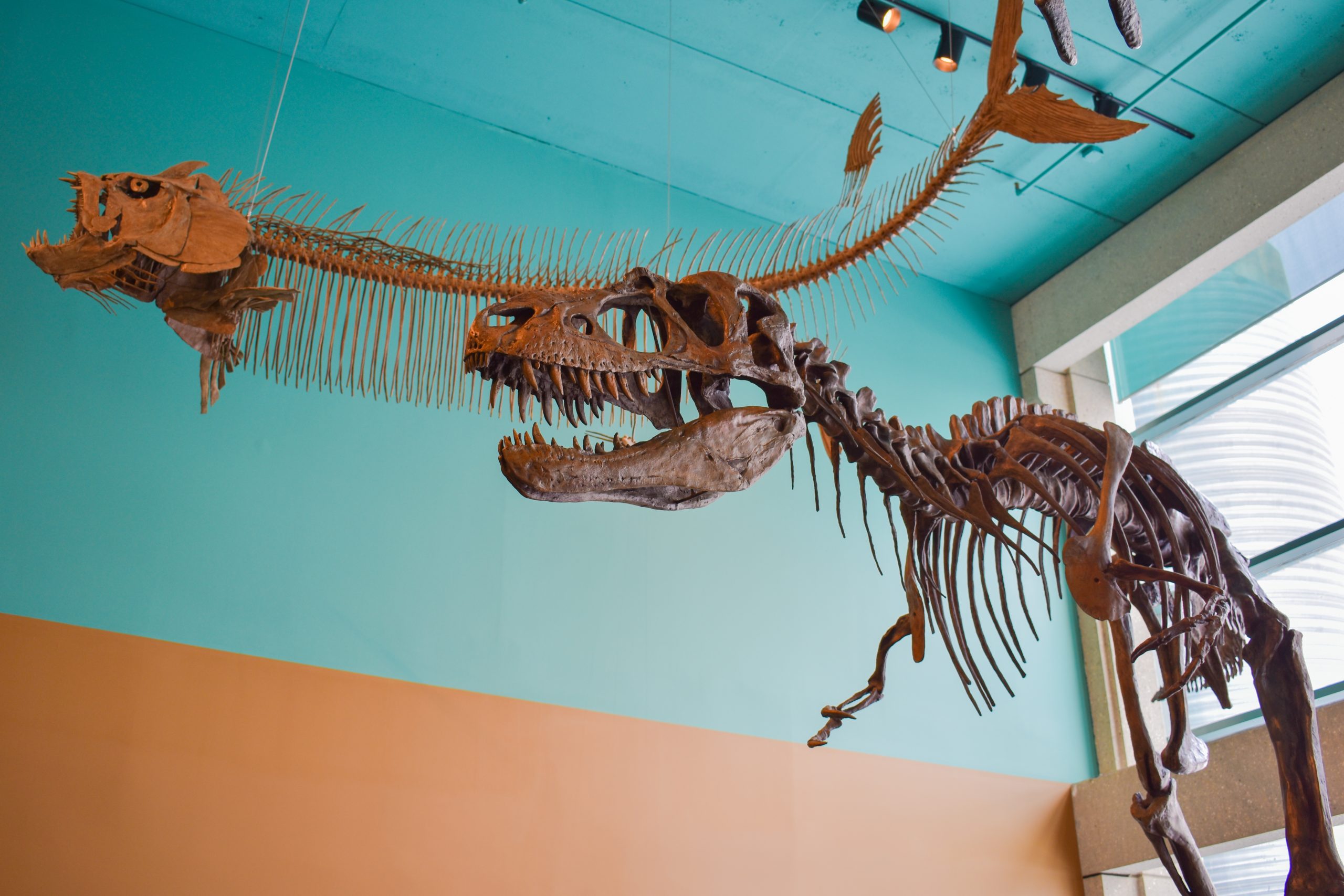
New research finds T. rex had scaly lips
By
About 65 million years after their extinction, dinosaurs remain some of the most famous prehistoric animals, and are often depicted in popular culture.
In the 1993 film Jurassic Park, the iconic Tyrannosaurus rex was portrayed...
Verb-first languages fuel debate about language variation
By
Across human languages, there are six possible ways for the subject, object and verb of a sentence to be ordered.
The most common word order is subject-first, which accounts for the majority of known languages.
It...

What past epidemics tell us about COVID-19
By
On March 11, 2020, the World Health Organization declared COVID-19 a pandemic.
With over 761 million reported cases and a series of nation-wide lockdowns in the past three years, the trajectory of the COVID-19 pandemic...