Early humans adapted to extreme deserts
By
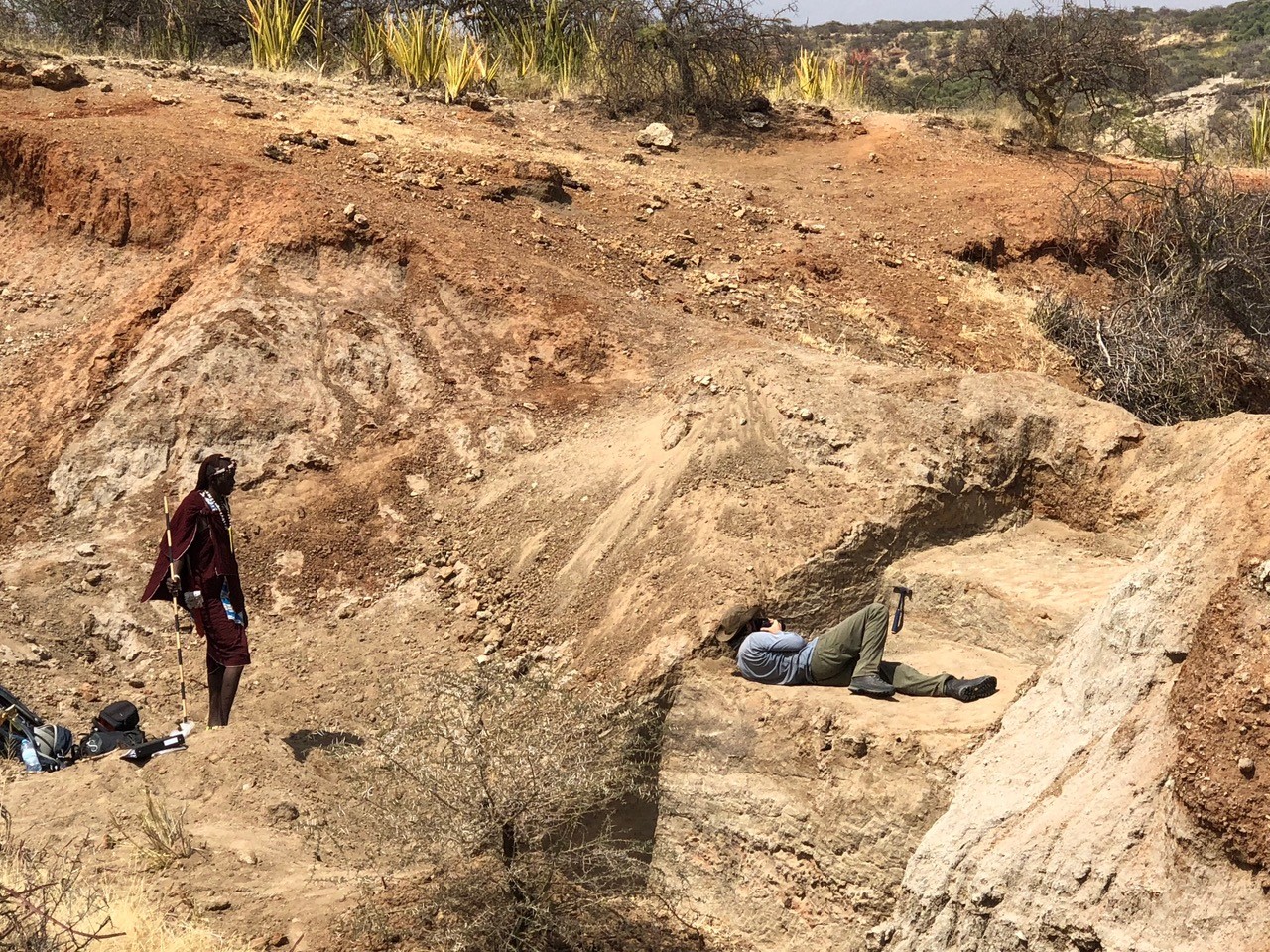
A study published in Communications Earth & Environment suggests that Homo erectus adapted to extreme desert conditions as early as 1.2 million years ago. Researchers found that early humans repeatedly returned to specific water sources...
Exploring climate change through ice core research
By
An international research team, including U of M professor Dorthe Dahl-Jensen, has achieved a remarkable milestone in a remote location in Antarctica. The team successfully drilled a 2,800-metre-long ice core, reaching the bedrock beneath...

Improving soil health for sustainable agriculture
By
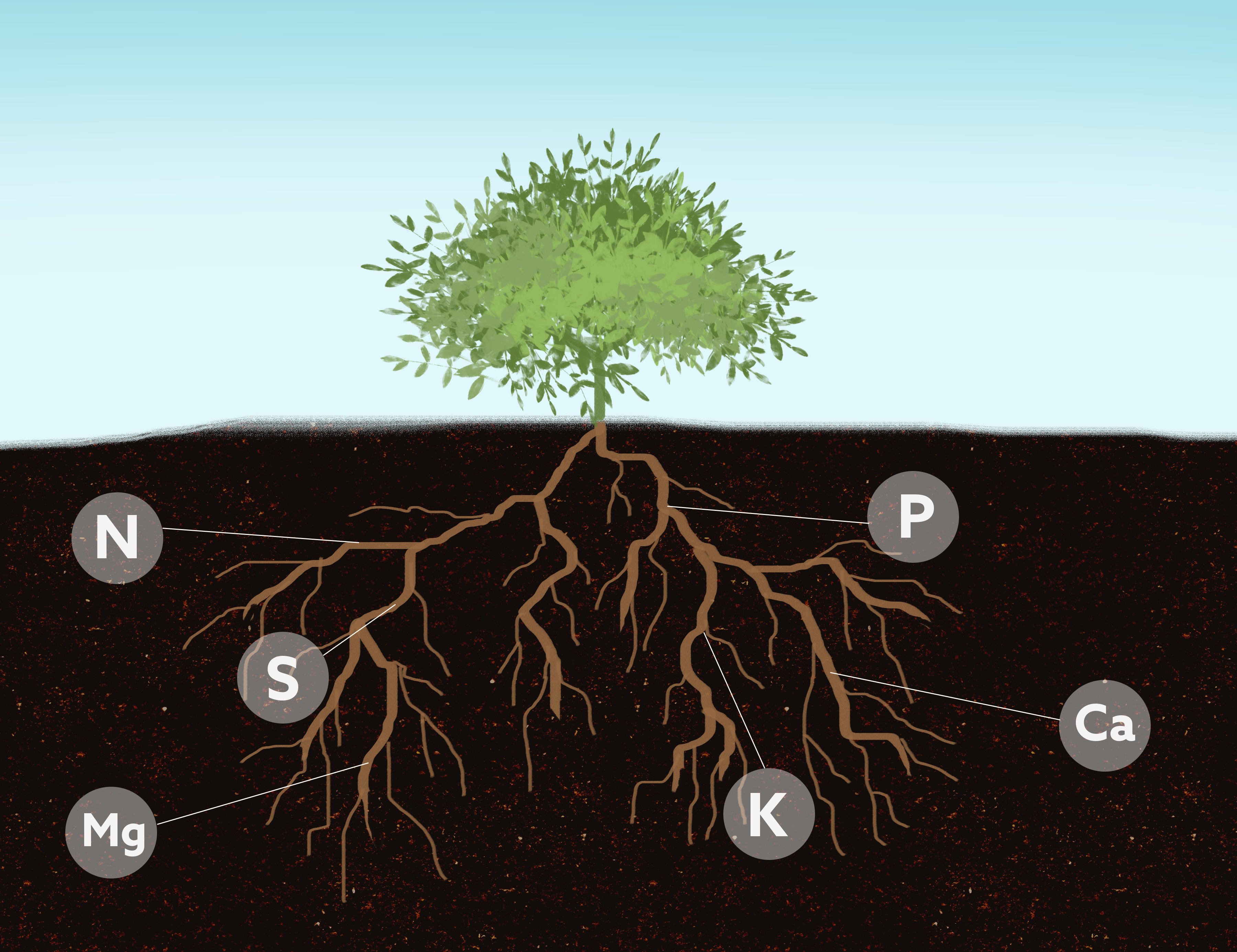
Mario Tenuta is a professor of soil science in the U of M’s faculty of agricultural and food sciences and senior industrial research chair in 4R nutrient management.
“It was very clear when I went...
Indigenous education at the U of M
By
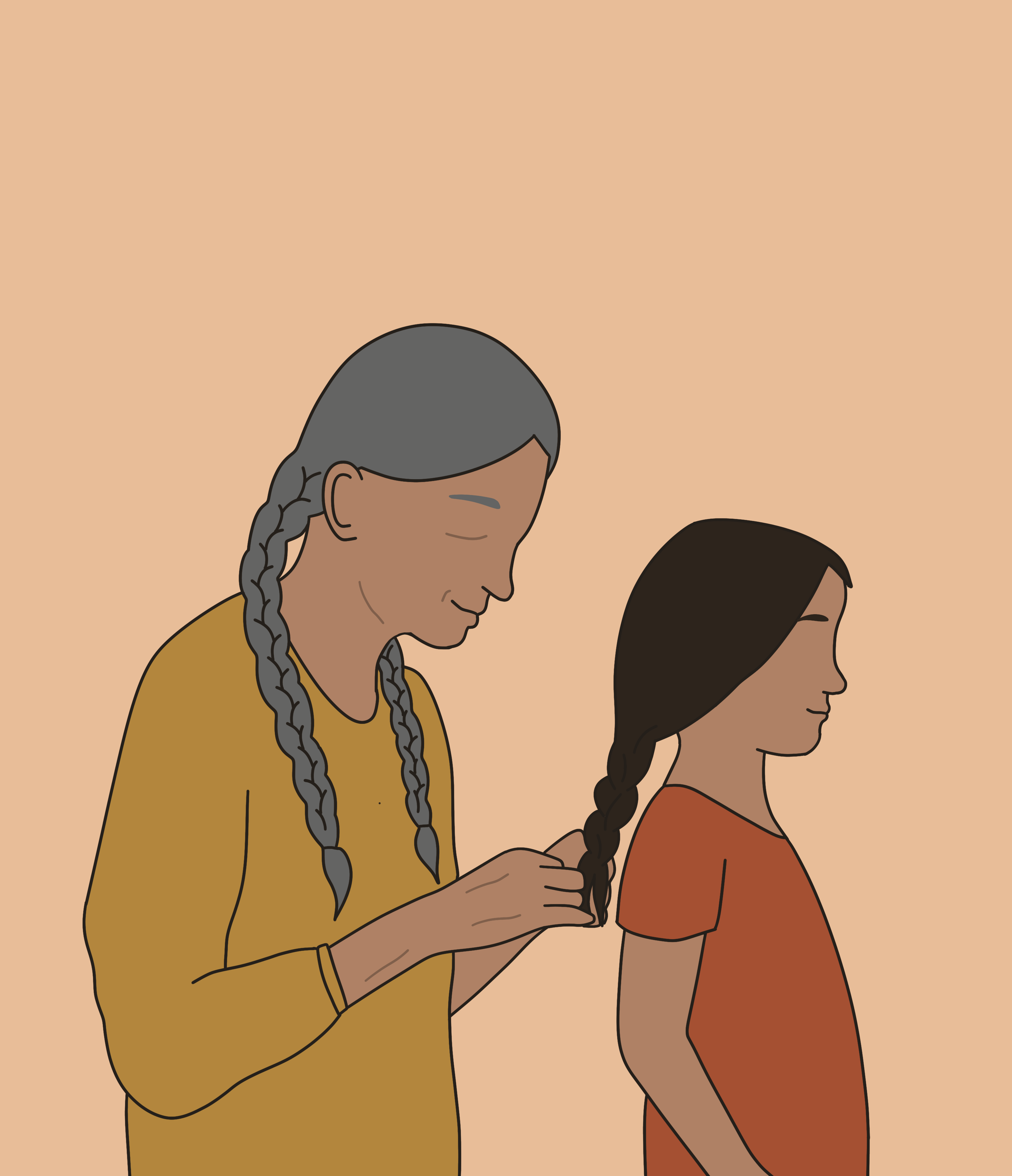
Frank Deer is a professor of Indigenous education at the U of M’s faculty of education.
“I am a schoolteacher by trade,” he said. “I taught elementary school in the far north of Manitoba as...
How nanoparticles impact health and the environment
By
Nanoparticles are incredibly small particles that range in size from 1 to 100 nanometres. Ten thousand of them can fit across the span of one human hair. Because of their small size, nanoparticles may...

Indigenous youth research fosters health and heritage
By
Linda Larcombe is an associate professor of internal medicine in the U of M’s Max Rady college of medicine and a trained anthropologist specializing in Indigenous history, health and collaborative research.
Her research explores how...

Improving welfare for farmers and farm animals
By
Recent research highlights the important connection between farmer well-being and animal health, indicating that farmers with greater stress levels are more likely to have animals with health difficulties. This emphasizes the necessity for supporting...

Articles By: