My side of the internet was rocked on Jan. 10 by the news that Desmond and Kristy Scott are getting a divorce. The couple met when they were both 14 years old and have been married for over a decade. They started posting videos in 2020, with their social media presence centring around their dynamic and funny relationship skits.
In a world where connections seem fleeting and relationships often don’t last, they gave viewers hope that real love does exist. Fans were drawn to them for their playful and prankful dynamic together as well as their individual niche content. Kristy focused on lifestyle while Desmond made cooking videos. They were, at least online, the perfect couple.
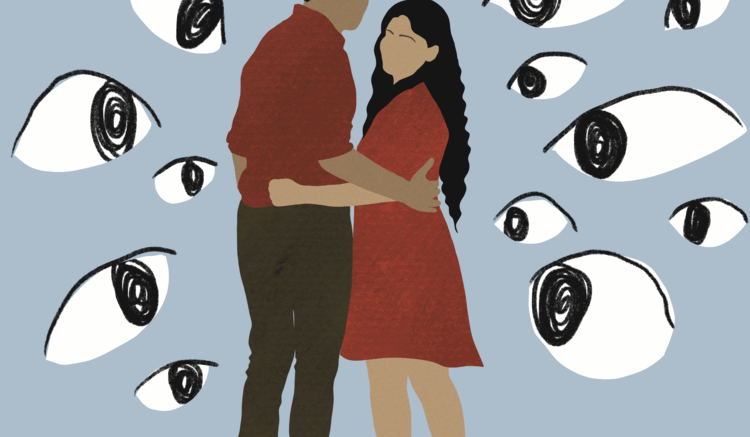
The reaction to their breakup was intense, seeing hundreds of people flocking to the internet stating that they don’t believe in love anymore because of the Desmond and Kristy split. As someone who spends a considerable amount of time off the internet, I thought these comments sounded a bit dramatic. We have no interpersonal connections to these influencers at all, and yet somehow a breakdown in their relationship will impact our lives. But I think this response reveals how strongly audiences engage with online couples. The Scott’s marriage was placed on a pedestal. To fans, they weren’t just two people in love — they were a symbol for love itself. And when this ideal collapsed, so did fans’ faith in love.
This level of emotional investment in online couples can be damaging to people’s everyday life when they assign too much meaning to what they see online. Influencer couples exist in a strange place between reality and performance because couples’ content is not just people sharing their life, it is a job. The Scotts get paid for their content. Even though it is designed to look authentic, their videos are planned and set out, filmed and edited before they are posted and consumed by the general public. This is why it is so harmful to idealize these couples. We are only seeing parts of their relationship, specifically the parts they want us to see. And so, it is unreasonable to compare our 24 hour lives to the 60-second clips of them we see online.
Many people often compare themselves to what they see on the internet and their partners to the ones they see online. For example, more than once I have seen people comment under videos of Desmond cooking for Kristy, saying something along the lines of, “My man would never,” or, “I wish my man would.” These kinds of comparisons to curated influencer couples’ videos can often leave people feeling dissatisfied with what they have, making people build up unrealistic expectations in their relationships. Afterall, conflict, boredom and cheating rarely make the cut in influencers’ videos, and instead the perfect moments are the only ones we see.
Ultimately, influencer couples are not models for real life — they are curated narratives designed for public entertainment. It is important that we view and treat them as just that. Not proof that love exists, or a blueprint of how our own partners should act, but simply as people who make content for us to consume. Maybe your love will be enduring, and maybe, like Desmond and Kristy, it will end in divorce — either way, our expectations for our own lives should not be heavily influenced by what we see online.