The U of M Office of Equity Transformation (OET) hosted an event on March 10 centred on disability as part of the broader conversation reflecting on 20 years since the adoption of the Convention on the Rights of Persons with Disabilities.
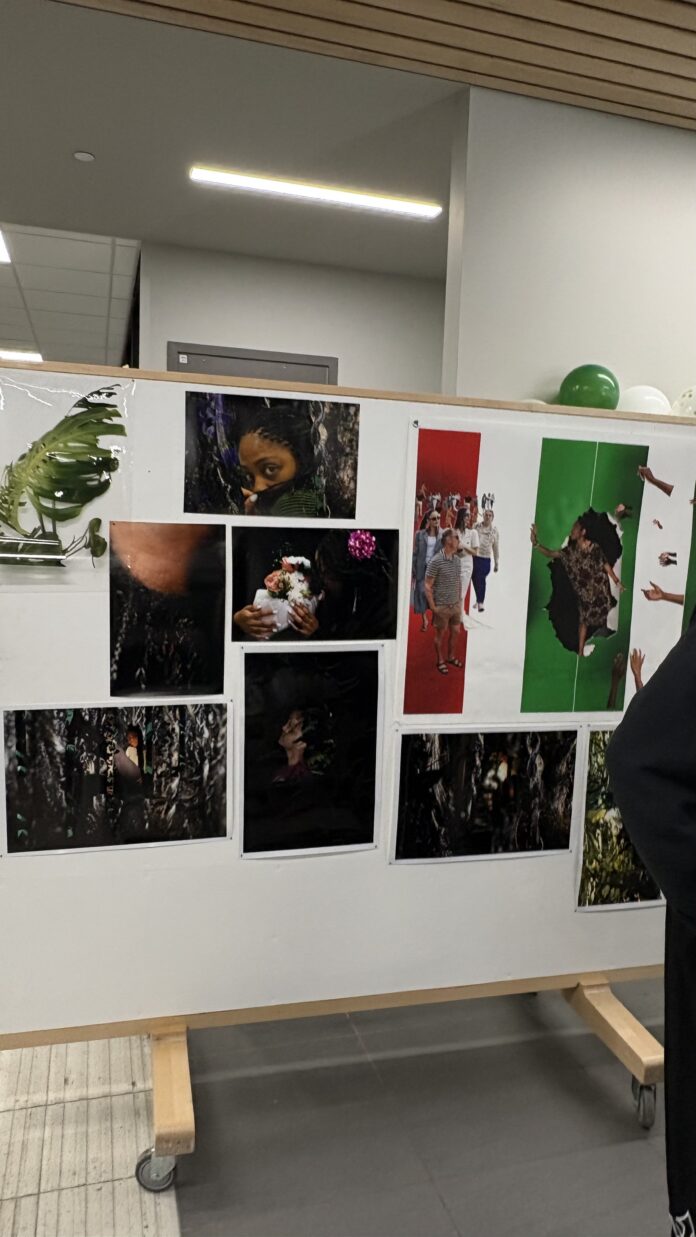
The event, which took place at the Fireside Lounge of UMSU University Centre, brought together keynote speakers, experts, panellists with lived experience, and community organizations involved in disability advocacy and its related work.
Tina Mai Chen, vice-provost (equity), said the event aimed to amplify the voices of people with disabilities, noting that “over time, people with disabilities don’t always feel seen, valued or heard at the university.” She acknowledged that while there has been progress in addressing ableism, it remains incremental, describing it as always “step by step.”
Angie Conrad, the anti-ableism and age inclusivity specialist, explained the extensive work that went into organizing the event. “A lot of work [went into] connecting with community members, connecting with folks here at the university […] or connecting with external community organizations [and] advocacy organizations, and really blending the two and creating a dialogue,” she said.
Conrad described the forum’s theme as “centering disability justice,” focusing on human rights, the Accessibility for Manitobans Act, the Human Rights Code and the lived experiences of people with disabilities.
Chen emphasized that meaningful progress requires recognizing ableism as a “system of oppression” that must be challenged alongside racism, sexism, homophobia and transphobia, and stressed the importance of consistently asking whether equity initiatives are also advancing disability justice.
Karen Sharma, executive director of the Manitoba Human Rights Commission, provided a provincial perspective on the rights of persons with disabilities.
Sharma presented on the shift over the 20th century from policies of institutionalization and segregation to a rights-based approach, supported by the Charter of Rights and Freedoms, the Manitoba Human Rights Code and provincial accessibility legislation.
Sharma also emphasized the importance of vigilance in protecting these rights. She noted that progress is not always linear and can face setbacks. “[Students with disabilities should] remember that your right to equity […] is entrenched in law, and that it has been through the collective work of people with disabilities that we’ve seen advancements in the law,” she said, urging continued advocacy to ensure future progress.
Amy Shawcross, director of advocacy and professional development with Inclusion Winnipeg, was also present to support the event, and she shared that her organization’s mission aligns closely with the goals of the one-day gathering.
Shawcross explained that the organization works to ensure that every person feels that they belong in their community and that they are cared for and supported in the ways that they need as an individual. “Every person belongs in their home communities with the right supports and services around them,” she said, emphasizing the importance of inclusion and accessibility in building stronger communities.
Heidi Hutchison, president of People First of Manitoba, said advocacy efforts continue to push for stronger voices and greater autonomy for people with intellectual disabilities. While acknowledging that progress has been made, she emphasized that much work remains.
“We do have autonomy. We are given a chance to have our voice, but there’s 100 per cent still so much work to be done,” Hutchinson said, adding that she hopes continued advocacy will bring meaningful changes and greater self-determination in the years ahead.
Among the participants at the event was Bashiru Salifu, a PhD candidate in peace and conflict studies at the U of M, who attended to learn more about disability advocacy and inclusion. Salifu expressed the importance of meaningful inclusion in policymaking. “Nothing can be done without us,” he said, quoting a speaker who emphasized the need to involve people with disabilities in decisions that affect them.
He also encouraged other students to expand their perspectives. “It’s very important for us to really broaden our horizon […] We don’t always have to just limit ourselves to what we are familiar with,” Salifu said.
Conrad encouraged students to engage, even if they do not identify with a specific community. “Be curious, ask questions, be human, be empathetic. Ask how you can support […] Join a group. Become part of the conversation.”
Shawcross outlined practical ways students and community members can support the organization’s work. “We look for volunteers all the time to help us out,” she said, explaining that as a nonprofit with limited funding, community support plays an important role.
Chen offered a message of support to the U of M community, affirming that people with disabilities “belong here [and] there really is a community here to support you,” and that difference is something the community should embrace.
Watch an excerpt of the event: https://youtu.be/rv6pUWIC7gw?si=Bjc89m_xLSFul6Fv