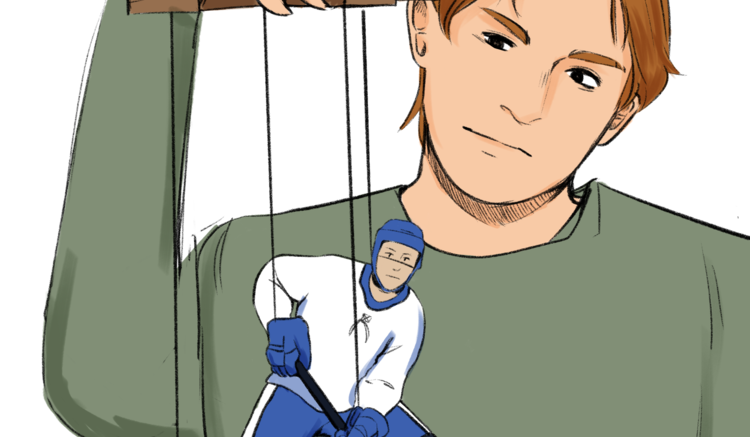
The Canadian men’s and women’s hockey losses at the Olympics were rough to watch. However, the fallout that followed quickly took centre stage, pushing hockey into the mainstream discourse far beyond the usual debates about lines, matchups and referees.
At the heart of it was the U.S. men’s Olympic team being invited to the White House and State of the Union address, soaking up the cameras and the praise, but acting offended when anyone treated that as a poor political choice. The moment that really lit the fuse was the team laughing along when Trump made a misogynistic joke about having to invite the U.S. women’s hockey team too, even though they also won gold — as if their presence would be a burden rather than an equal achievement.
Jack Hughes of the New Jersey Devils tried to wave it away, saying, “Everything is so political,” and framing the White House invitation as exciting no matter how others view it. This is where the disconnect is evident. It is only possible to have this view when you believe other people’s rights and safety are just background noise.
Hockey players love the comfort of being “just athletes,” right up until being an athlete becomes a way to stand beside power and share in the attention. This is why “everything is so political” lands like a dodge rather than a reflection. It suggests politics invade sports from the outside, when in fact sports have always been part of national identity and public messaging. The difference is that some people treat politics as optional. If you can walk into a room full of cameras, elected officials and applause, then walk back into a world where your place is not questioned and your rights are not up for discussion, politics feel like a nuisance. However, if you are a woman, queer, trans or someone else whose dignity is constantly debated, politics are not so simple. They are as unavoidable as air.
That is why Team USA’s choices hit so hard. This was the most recognizable political stage in the country, and the players chose to be there. The moment with Connor Hellebuyck of the Winnipeg Jets intensified it because he was not only present, he was singled out. Trump used the occasion to announce Hellebuyck would receive the Presidential Medal of Freedom, turning him into the night’s feel-good symbol.
It also landed differently for Canadian fans because Hellebuyck plays for Winnipeg at the same time Trump’s politics repeatedly include threats and contempt aimed at Canada itself. Hellebuyck accepted the kind of spotlight that only exists to send a message, and the message came from a political stage that has spent years demeaning women. That is why the backlash is not about overreacting. It is about refusing to pretend this was harmless.
Defenders will say it was only a visit. But it cannot be simply boiled down to a private dinner and a handshake line. It was a deliberate appearance on the most televised political stage in the world. Once you choose that spotlight, you also choose the message, and you cannot demand everyone pretend it is meaningless. The through line here is men performing for men, protecting the room they think they own and making women pay the price.
The insistence that none of this should matter asks women, queer folks and anyone who is not part of that club to swallow discomfort so the sport can keep running on its usual terms. It asks them to take the jokes, accept the dismissiveness and watch women’s success get treated as a footnote. It also asks them to smile through pride-themed branding while the wider culture keeps treating them as an acceptable target.
This is where the culture shows itself — in the institutions, but also in reflexes. Sports reporter Claire Hanna asked Brady Tkachuk of the New Jersey Devils a question regarding the recent events. The responses from some male hockey fans were not disagreements. They were contempt, sexualized insults and claims that Hanna should not have been there. Tkachuk did not write those messages, but the pile on was triggered by this moment, and it drew from the same reflex that women exist in the space on borrowed time. Men perform for other men, protect the vibe and reward loyalty. Women are expected to clap, soften their tone or leave. If a woman refuses that role, the crowd polices it.
With hockey dominating the news, I must, of course, bring up Heated Rivalry. Harper’s Bazaar published a piece headlined “Heated Rivalry Was a Fun Fantasy, But Hockey Is Still Deeply Toxic.” But the show is not selling a harmless daydream. It is built around the fear of coming out in hockey culture and the calculation that staying silent can feel safer, so much so that the two main characters keep that part of themselves private to protect their careers and safety. The gap between the headline and the story is the gap fans are seeing in real time. This is why the Team USA events remain connected to the larger conversation about belonging. The players chose proximity to a president whose public persona relies on mockery and hierarchy. This is not to say that I am demanding political purity from athletes, but there should at least be accountability when athletes step into political spectacle and then complain that people noticed.
This is why being a men’s hockey fan can feel embarrassing right now. It is nauseating to watch the sport insist it is above politics while actively chasing political attention, then acting offended when anyone responds accordingly. However, fans still have leverage. Leverage is attention, money and what you choose to celebrate. Put your time and dollars into women’s hockey. In Winnipeg, that can look like showing up for the Professional Women’s Hockey League Montreal Victoire vs. Ottawa Charge game on March 22.