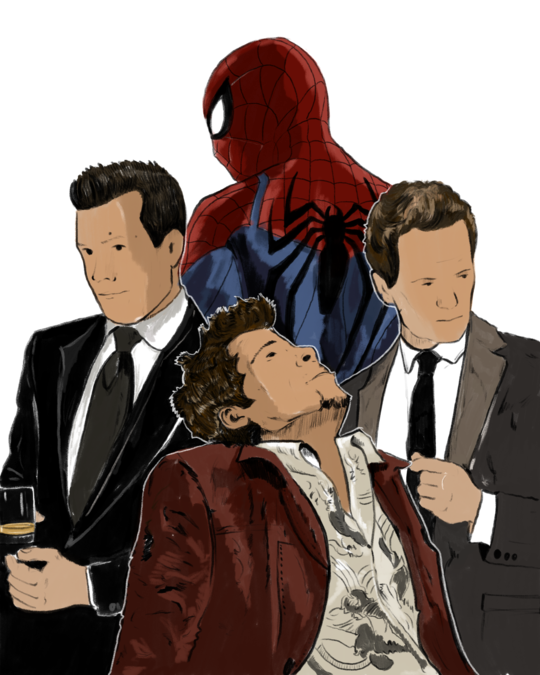
Everyone watches television shows and movies, quotes characters and debates over whether Batman could beat Iron Man with proper preparation in a battle. But for me, the most intriguing thing about a character isn’t what, but how they think. Over time, I’ve realized that certain characters tend to stay with me long after the credits have rolled.
Somewhere along the way, I started taking mental notes of the characters I really liked. I would listen to their theme songs, wear their style and cut my hair in a certain way to match theirs. But it’s not always their lifestyle that draws me in. It’s their way of thinking.
Characters in shows are exaggerations of human traits, but when you separate the drama from the mindset, there are ideas worth keeping, like Tyler Durden’s fight with society, Harvey Specter embodying confidence, Spider-Man reminding us that doing the right thing rarely looks heroic and Barney Stinson’s reminders of intentional self-reinvention.
Tyler Durden from Fight Club is one of the most controversial characters in modern film. He is loud, reckless and destructive. He rejects comfort and questions society in every step of his journey. One of the key points I took away from watching this character was the desire to never be complete.
Advertisements promise happiness through possessions, convincing people their identity is built through brands and products. This media influence was never needed for survival among people. Although Tyler pushes the narrative that his ideas and goals are dangerous and extreme, prompting audience to ask, “How much thinking do we do on our own?”
Harvey Specter from Suits embodies confidence. He walks into every room like he belongs there, carries himself with calm and confidence, which eventually helps him win. Throughout the series, his success is tied to preparation, strategy and reading people. His famous attitude of, “I don’t believe in luck, I make my own luck,” has stayed with me till this day. Preparing yourself before everything and working on yourself while being uncomfortable is something I strive for. Of course, the show dramatizes everything — real-life courtrooms rarely look like a television courtroom showdown — but the underlying lesson is that confidence is a skill that grows with preparation and self-belief.
In the world of superheroes, Spider-Man, or Peter Parker, is not a billionaire, a king or god, but an average young person who suddenly got extraordinary abilities. What makes him great is not the powers, but the moral burden that comes with them.
The famous quote, “With great power comes great responsibility,” is relevant beyond superhero stories. Spider-Man’s life is rarely a win — he struggles with his personal life and often grapples with expectations placed on him to do what is right. A Spider-Man ideal I decided to add to my routine is the mindset that responsibility is often about finding the balance between living the different parts of your life and managing the expectation to do what is right.
Among all the characters who shaped the way I think, Barney Stinson also from How I Met Your Mother stands out. For me, the idea of reinventing yourself everyday is something I can’t help but want to emulate. He always has a new rule for himself and learns from each mistake he makes. Barney’s famous catch phrase, “suit up” is more than you think. It symbolizes a choice about how to present yourself in this world. The backstory of his character reveals that he wasn’t always confident and charismatic. At one point, he was insecure and unsure of himself. The idea I take away from his character is that people are not stuck with the version of themselves they started with.
When you strip away the drama, each character represents a certain mindset, such as questioning the system we are accustomed to, walking into a room with confidence, accepting responsibility, finding balance and believing in yourself for reinvention. Of course, these are fictional characters, but the ideas and lessons they carry are real. In the end, mindsets are not something we are born with — they are what we build, one idea at a time.