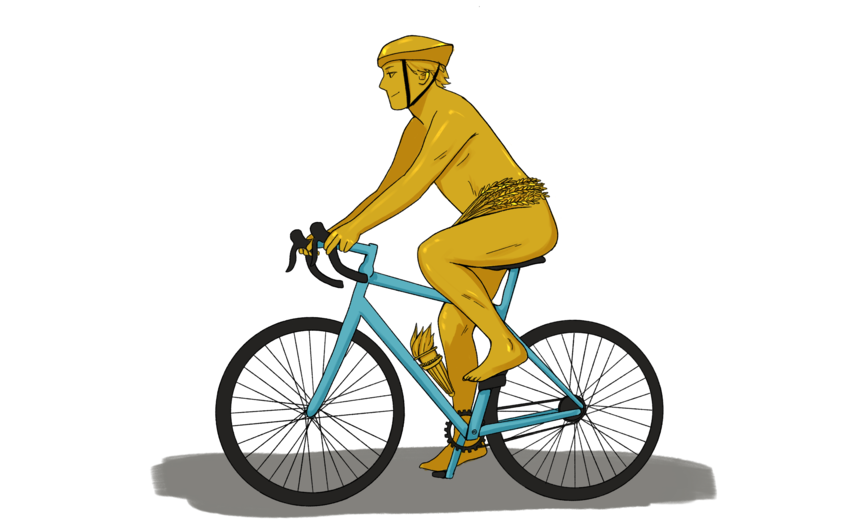
Winnipeg heads to the municipal polls this October as years of fiscal mismanagement come to an end. Property taxes, water and sewer rates and transit fares keep rising while services decline and roads crumble. Yet the city plans to pour over $1 billion into road expansions on Kenaston Boulevard and Chief Peguis Trail, despite the challenges we face with poverty, crime, equity and a changing climate. This election will test whether the City of Winnipeg’s mayoral and council candidates can offer a progressive, sustainable vision for a city that works for everyone.
Winnipeg needs to take big bites out of its climate ambitions, not keep nibbling at the edges. Nearly half of Winnipeg’s emissions come from transportation, dominated by private vehicles, even as the city aims for a 50 per cent sustainable mode share by 2050. Still, major road expansions outrank investments in transit, active transportation and climate resilience. With an infrastructure deficit expected to run into billions for years, candidates must offer a vision that strengthens inner-city communities and builds sustainable economic opportunities rather than deepening sprawl.
Mayoral and council candidates who treat Winnipeg Transit as an essential public service can unlock its full potential as an equalizer for those who rely on it more frequently — youth, BIPOC, disabled people and women. These riders are hit hardest when service is cut or fares rise. Civic leaders should champion stable multi-year funding, stronger evening and weekend service on major routes, bus-only lanes, an accelerated Transit Master Plan, frozen fares and a path toward fare-free transit for youth, seniors and low-income riders. Candidates who advance this vision position transit as a core affordability tool, delivering equitable, reliable mobility for those who need it most.
Winnipeg’s active transportation network still feels like a jigsaw puzzle — fragmented, inconsistent and forcing people into unsafe gaps. Completing it is one of the most affordable, climate-resilient investments the city can make. Redirecting funds from major road expansions toward a fully connected, year-round-maintained network would give residents a low-cost alternative to driving and cut transportation emissions. Linking protected bike lanes with river-trail pathways strengthens neighbourhoods, boosts local economies and supports healthier, more climate-ready communities.
Poor land-use planning has pushed Winnipeg toward a car-centric, unaffordable and unsustainable model. As local writer Michel Durand-Wood warned, “The cold, hard reality is this: there isn’t enough money to maintain everything our city owns, not even close. And there never will be. Not as long as we keep pretending there is.” Candidates seeking the mayor’s chair or a council seat need to level with residents about our finances.
Winnipeg cannot afford massive road expansions, we need to redirect scarce dollars toward what strengthens the city — better transit and active transportation, repairing roads and pipes in mature neighbourhoods, adding wading pools and expanding library hours. These investments build a healthier, more resilient and more affordable city for everyone.
Winnipeggers are demanding real solutions — ones that make life more affordable, cut emissions and build a city that can withstand the climate realities already at our doorstep. Voters this October deserve more than recycled talking points. They deserve leaders willing to make hard choices and reject the status quo that has held us back. The next council must choose a path that strengthens neighbourhoods, lowers costs and delivers a climate-ready Winnipeg. Future generations will judge us by whether we acted with courage or avoided the truth.
Adam Johnston hosts “Not Necessarily The Automobile” on Thursdays at 11:30 a.m. on UMFM 101.5. He can be reached at [email protected].