

As a neurodivergent, the bustle of one of the largest universities in the country can be overwhelming. The chatter, footsteps and doors opening and closing as students enter and exit all blend into a noisy blur that my brain doesn’t always know how to filter. Headphones became a necessity to keep the grubby hands of anxiety at bay. On a fateful day when my headphones gave up, I muttered a quiet “darn it,” stuffed them into my bag and braced myself for what I thought would be a long, anxious walk.
As I walked out of Robson Hall, I spotted a bunny, delicate and tiny, grazing in the grass. I stood there and watched this tiny furry friend enjoying an afternoon snack. A few feet away, an American red squirrel sat munching on an acorn, its tail fluffier and larger than its entire body. Before I could even look away, I saw movements — the dried leaves seemed to have come alive, my eyes struggled to make sense of what was happening until I caught a glimpse of yellow and white, then an eye, then a beak — a white-throated sparrow. He foraged on the ground, his tiny buddies not far away, shuffling and chirping softly among the leaves.
Not to be dramatic, but in that moment, I felt so alive. My jaw loosened, my shoulders dropped, and my face felt lighter. I took a deep breath without even realizing it, as if my body had been waiting for permission to just exist. For once I wasn’t going anywhere. I was simply there.
The Fort Garry campus is full of life — a shared ecosystem, buzzing and breathing all around us. The Canada geese come in early spring and take full ownership of the campus grounds. You often hear them before you see them, their honks loud, distinct and occasionally a warning sign if you even dare to breathe near their nests. They’re a demographic of Canadians who don’t particularly care about the nation’s friendly and polite reputation.
By early summer, if you’re lucky and observant, you might spot a baby deer lying alone in the grass perfectly camouflaged, its white spots mimicking dappled sunlight hitting forest floor. Now, if you ever come across a fawn, the best thing to do is leave it be. It’s almost never abandoned. Mother deer often leave their babies hidden in tall grass or shrubs while they forage, trusting the camouflage to keep them safe. In time, those white spots will fade as the fawn grows stronger. By early fall, you’ll see them walking alongside their moms, taller, braver and fast enough to sprint away from danger.
If you’re a birder like me, strap on a pair of binoculars and take a slow stroll. You’ll be tattled on by chatty yellow warblers before you’ve even settled into your pace. Sooner or later, you will hear the cheerful song of an indigo bunting from a high perch. Look up and you will see the most brilliant shade of blue you have ever seen in your life.
If you didn’t already know, the U of M has its own birding club called the UM Indigenous Birding Club, open to all students, staff and faculty who want to connect with nature through birding. The club hosts guided birdwatching walks during the summer months, offering a way to explore campus and learn about the many feathered residents that share our space.
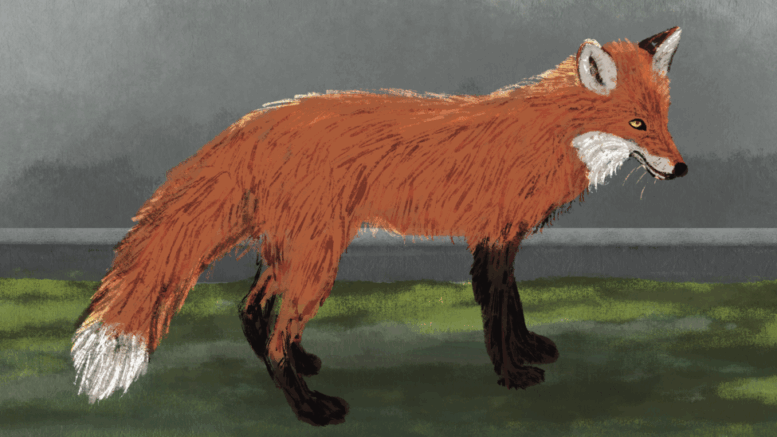
As the seasons shift, so do the cast of characters that make this place feel alive. The geese start heading south by late autumn. Now that they’ve eaten enough to be ready for hibernation, the groundhogs are rounder. If you’re lucky, you might even catch a glimpse of the fox that occasionally stops by as fall gradually gives way to winter.
So, if you ever find yourself needing a break from the buzz of academic life, step outside without your headphones. You might find a little calm in the company of a bunny, a squirrel or even a bunting calling from the trees.
